Do I Need Reverse Osmosis For City Water

So, you’ve got city water. Tap water. The stuff that flows from your faucet like a magic river. Now you’re wondering: do I need a reverse osmosis (RO) system? Let’s dive in. F...
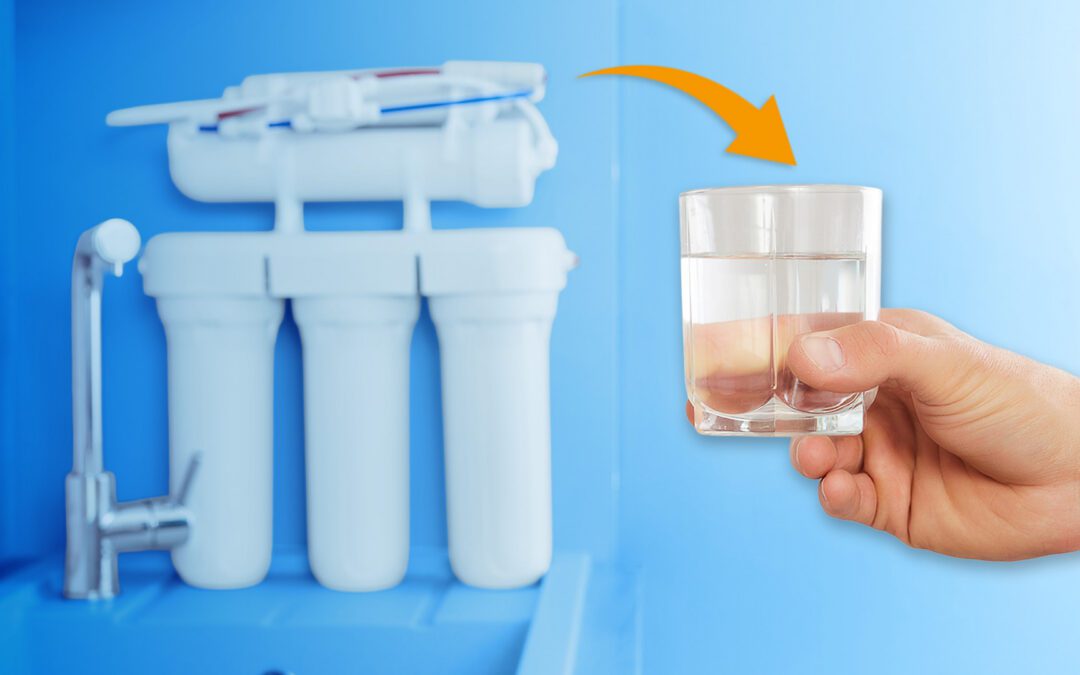
So, you’ve got city water. Tap water. The stuff that flows from your faucet like a magic river. Now you’re wondering: do I need a reverse osmosis (RO) system? Let’s dive in.
First, let’s get real. Your city water is already treated. It’s not a swamp in a cup. Your local water plant works hard to zap germs and make things safe. But “safe” doesn’t always mean “delicious.”
Here’s the kicker: cities often add chlorine to kill bacteria. That’s great for health, but it can make your water smell like a swimming pool. Weird, right? You’re not drinking pool water, but your nose might disagree.
Must Read
What’s Actually in Your City Water?
Think of city water as a cocktail of surprises. Besides chlorine, you might have hard minerals like calcium and magnesium. They aren’t dangerous, but they can make your coffee taste chalky.
Then there’s the sneaky stuff: trace pharmaceuticals. Yep, tiny bits of medications people flush down toilets. Not scary amounts, but it’s a fun fact for cocktail parties. “Did you know I’m getting a microdose of aspirin?”
Lead is also a party crasher in older pipes. If your home was built before 1986, lead solder might be lurking. Reverse osmosis can shoo that lead right out of your glass.
The Quirky Case of Bad Taste
Ever notice how city water tastes different at a friend’s house? That’s because local geology changes the flavor. Your water might taste like a mineral spring—or like a rusty pipe. RO strips all that personality away, leaving water as blank as a fresh notebook.
Some people call that “boring.” Others call it “pure.” Your call. But here’s a funny detail: RO water tastes so blank that it can actually dissolve more flavor from coffee or tea. Your morning brew gets a boost. Fancy.
And no, RO doesn’t remove beneficial minerals entirely—but it does lower them. If you’re worried about missing nutrients, eat a banana. You’ll survive.
The Real Question: Do You Hate Your Tap?
Let’s be honest. If you love your tap water, don’t fix what ain’t broken. But if you’re buying bottled water by the case, RO might save you cash. Think of it: one system, endless bottles—without the guilt.
RO systems are not magic. They use a membrane with holes so tiny, water molecules struggle to get through. They need pressure, time, and usually a storage tank. They waste some water too—about 3 to 4 gallons for every 1 gallon of pure water. But wait, you can use that wasted water on your plants. They love the minerals.
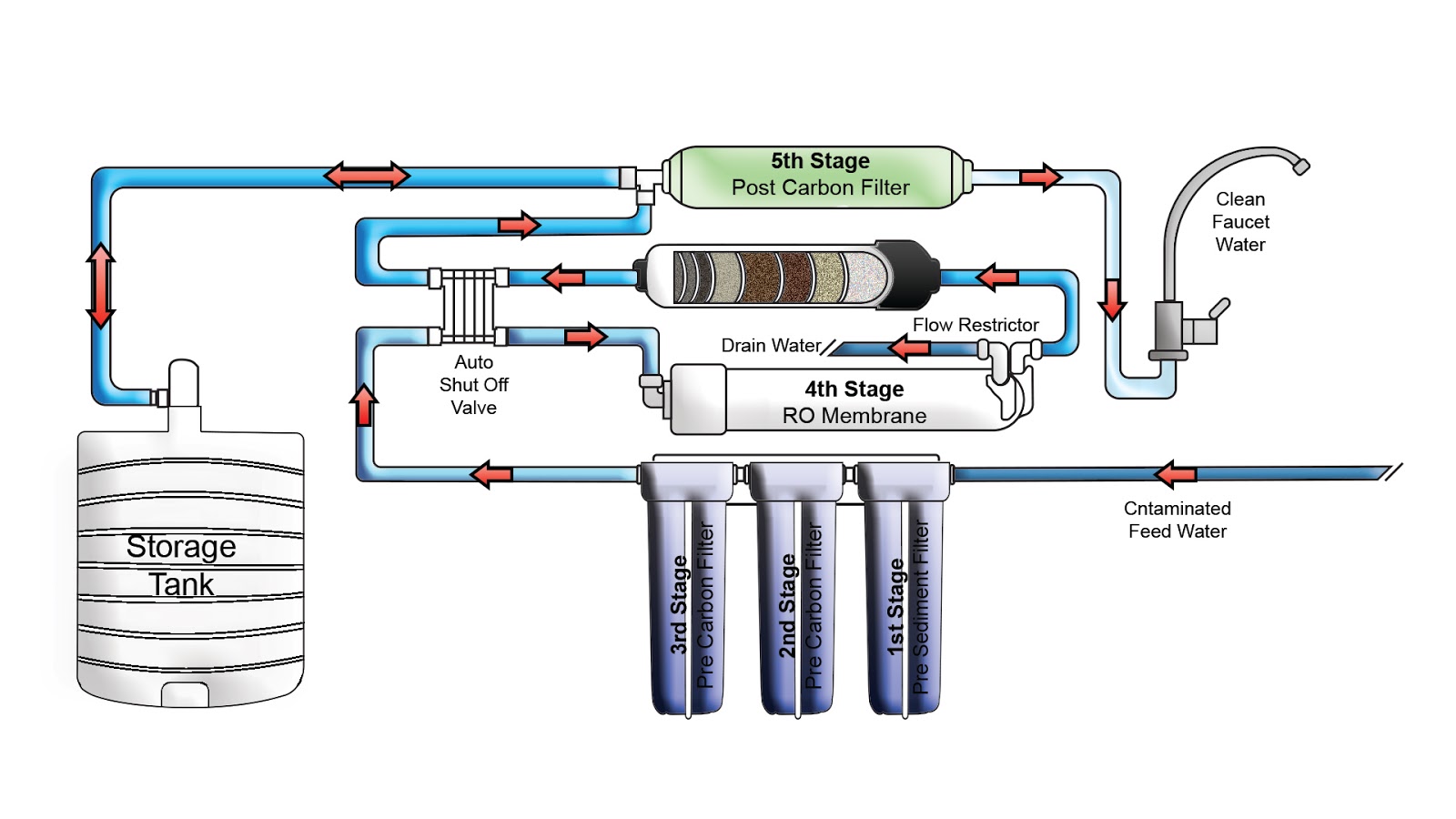 Reverse Osmosis Drinking Water System Installation at JENENGE blog
Fun fact: RO membranes can filter out particles as small as 0.0001 microns. That’s 1,000 times smaller than a human hair. Viruses? Not a chance. Salt? Gone. That weird metallic taste? Bye-bye.
But Is It Overkill for City Water?
Sometimes, yes. If your city water tests fine and you don’t mind the flavor, RO is like buying a jet ski for a puddle. A simple carbon filter—like a Brita—handles chlorine and bad taste for pennies.
However, if you have a preemie baby, a weaker immune system, or you’re just a water snob, RO becomes a champion. It’s the last line of defense against anything the city missed. Plus, you can brag to friends about your “ultra-pure” water. “Mine has fewer atoms than yours.”
Another quirky bonus: RO water is amazing for aquariums. Fish hate chlorine and heavy metals. Your betta will thank you. Your neighbors will think you’re a fish wizard.
The Bottom Line (Without the Sales Pitch)
Do you need reverse osmosis for city water? Need is a strong word. You need oxygen. You need pizza. Water is already fine from the tap in most U.S. cities. But if you crave pristine taste, hate plastic bottles, or worry about legacy contaminants, RO is a fun upgrade.
Don’t overthink it. Check your city’s water quality report—it’s free and online. Look for things like lead or chlorine levels. If they’re low, save your money. If they’re high, RO can be a hero.
In the end, city water is a marvel of modern engineering. But it’s also a little boring. RO adds a twist of curiosity to every sip. So, go ahead: ask yourself if you want water that’s “good enough” or water that’s absurdly pure—like a tiny science experiment every time you drink.
Your water, your choice. Now go hydrate like a curious human.
