Water Filtration Systems For Restaurants

Water Filtration: The Unsung Hero of Your Restaurant Let’s be honest—when you think about running a restaurant, you probably worry about the menu, the staff, or that one custo...
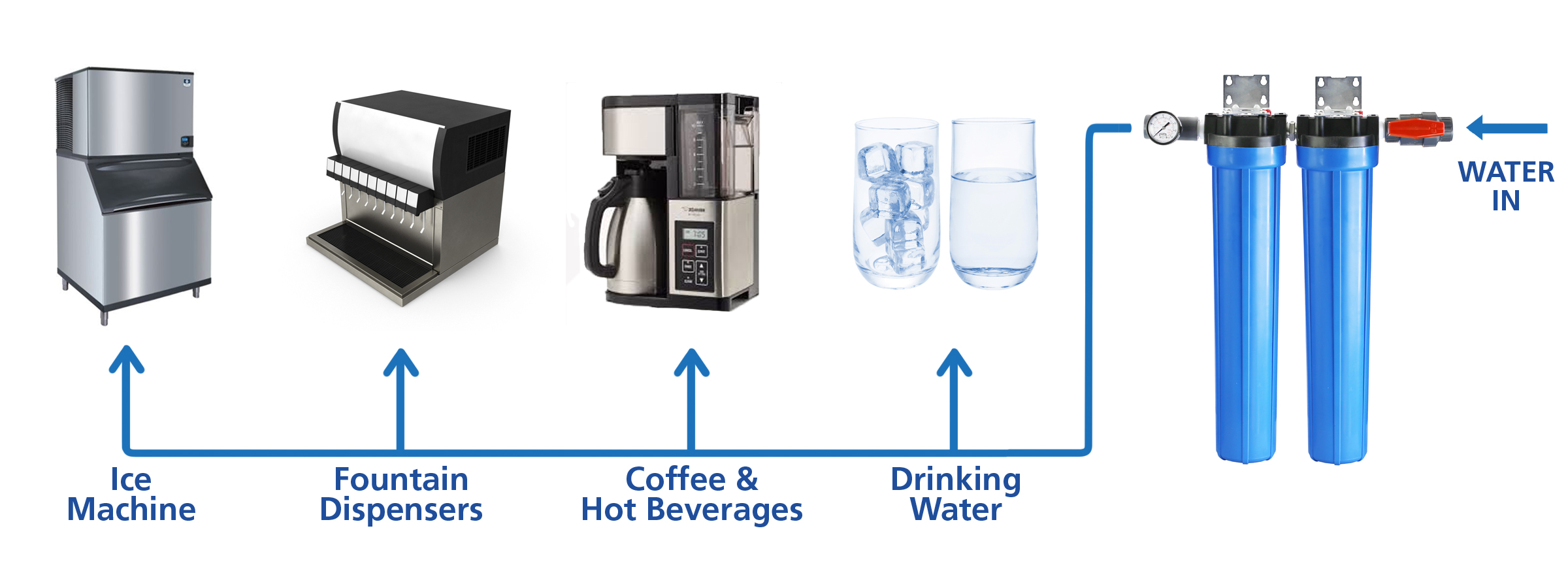
Water Filtration: The Unsung Hero of Your Restaurant
Let’s be honest—when you think about running a restaurant, you probably worry about the menu, the staff, or that one customer who sends back the pasta because it’s “too al dente.” But have you ever thought about the water coming out of your tap? Probably not, right? Well, grab a seat, because water filtration is about to become your new best friend—and it’s way more exciting than it sounds.
Think of your restaurant’s water like the backstage crew of a rock concert. Nobody sees them, but if they mess up, the whole show falls apart. Bad water can ruin your coffee, make your ice cloudy, and even mess with your sauces. Let’s dive into why filtration systems are the secret ingredient you didn’t know you needed.
Why Bother? The “Yuck” Factor
First of all, nobody wants to drink water that tastes like a swimming pool. If your tap water has chlorine, sediment, or even a hint of metal, guess what? Your customers will taste it—especially in your tea and espresso. A good filtration system removes these nasties, so your drinks taste crisp and clean, not like a chemistry experiment.
Must Read
And here’s a fun fact: unfiltered water can leave mineral deposits in your expensive espresso machine. That’s like scratching a Ferrari with a key—expensive and totally preventable. A filter saves you money on repairs and keeps your equipment purring like a happy kitten. (A very expensive, mechanical kitten.)
Ice, Ice, Maybe Not?
Ever noticed how some restaurant ice looks cloudy or smells a little off? That’s usually because the water isn’t filtered. Cloudy ice is just trapped air, but the weird smell? That’s impurities having a party in your freezer. Not a party you want to host.
With a filtration system, your ice comes out crystal clear and totally neutral. It’s the kind of ice that makes a simple glass of water feel fancy. Plus, it makes your cocktails look like they belong in a glossy magazine. Your bartender will thank you, and so will your Instagram feed.
The “Flavor” Factor: More Than Just H2O
Here’s a secret: cooking with filtered water can actually improve your food. When you boil pasta or vegetables, the water absorbs into them. If that water tastes like a rusty pipe, guess what your pasta will taste like? Yeah, not great.
Using filtered water for soups, stocks, and even coffee boosts the natural flavors of your ingredients. It’s like giving your dishes a little high-five. And who doesn’t want a high-five from their soup?
Pro tip: if you’re a coffee snob (and let’s face it, most restaurant owners are), filtered water is non-negotiable. Bad water strips the oils out of your beans, leaving you with a bitter cup. Filtered water lets those bean flavors shine like a superstar.
What Kind of Filter Do You Need? (Don’t Panic)
Okay, so there are a bazillion options out there. But don’t worry—you don’t need a PhD in plumbing. Here’s the simple breakdown:
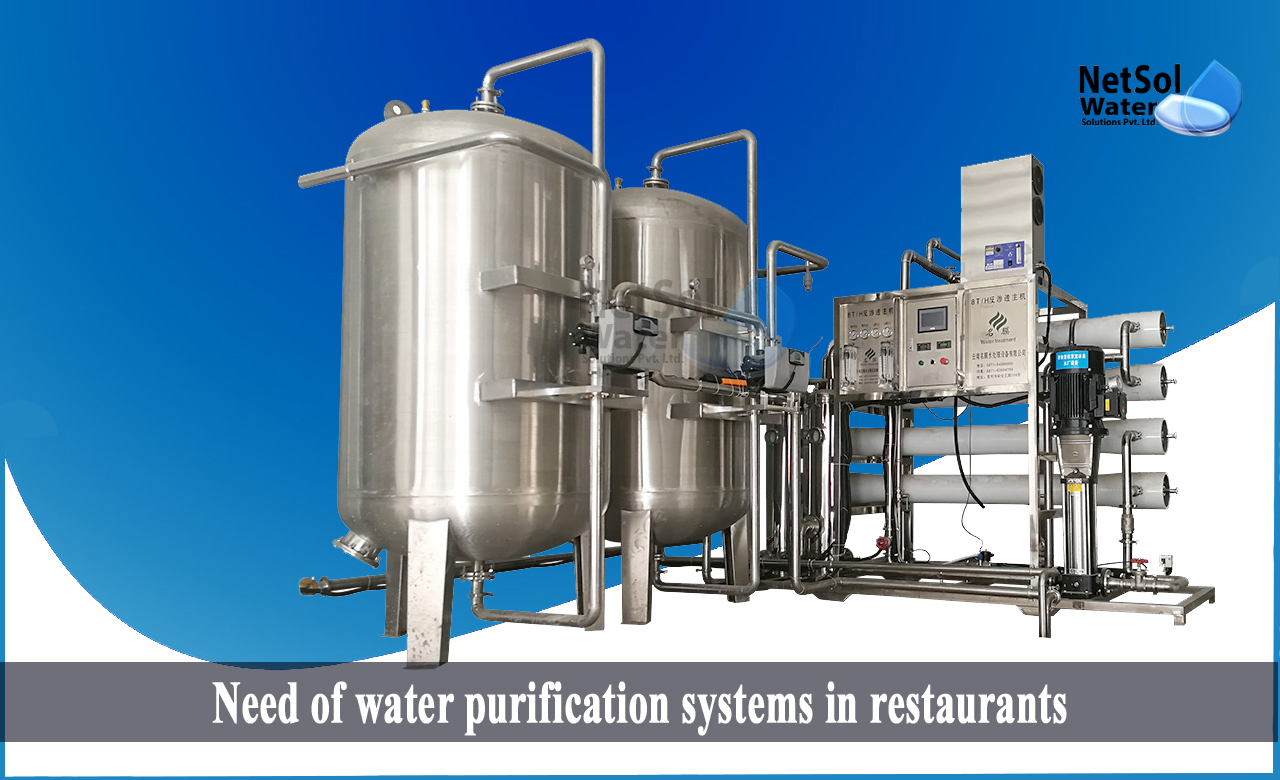 How can Water Purification Systems help your restaurant
Carbon filters are your go-to for removing chlorine, bad tastes, and odors. They’re like the friendly neighbor who takes out the trash. Reverse osmosis systems are the heavy hitters, removing almost everything, including minerals and bacteria. Perfect for ultra-pure water, but they’re a bit more pricey and wasteful (they dump a lot of water).
For most restaurants, a multi-stage system (carbon plus sediment filter) is the sweet spot. It’s affordable, easy to maintain, and makes your water taste like it came from a mountain spring—without the hike. Just remember to change the filters regularly, or you’re basically drinking from a dirty straw. Ew.
The Installation Comedy: Expect a Little Silliness
Installing a filtration system is usually quick, but expect a plumber to show up and make jokes about your pipes. “Looks like this one’s been through some tough times,” they’ll say, pointing at a crusty old pipe. Just nod and smile. It’s part of the experience.
Once it’s in, you’ll barely notice it’s there. That’s the beauty—it works silently in the background, turning your crummy tap water into liquid gold. You might even forget you have it, until one day your server pours a glass of water and a customer says, “Wow, this is the best water I’ve ever had!” And you’ll feel like a genius.
A Little Cost, a Lot of Joy
I won’t lie—filtration systems aren’t free. They can cost anywhere from a few hundred to a few thousand bucks, plus ongoing filter replacements. But compare that to the cost of a broken espresso machine, or that one customer who writes a bad Yelp review about “metallic-tasting iced tea.” Worth it, right?
Think of it this way: every glass of clear, delicious water you serve is a tiny love letter to your customers. It says, “I care about the little things.” And in the restaurant world, little things build big reputations.
The Final Pour: You’ve Got This
So there you have it—water filtration isn’t complicated. It’s not even boring. It’s a simple upgrade that makes your food taste better, your drinks sparkle, and your equipment last longer. Plus, you get to feel like a five-star wizard every time someone compliments your ice.
Go ahead and call a plumber, pick your filter, and get ready to serve water so good, it might just steal the show from your dessert menu. (But don’t tell the dessert chef I said that.) And remember: every time you pour that crystal-clear glass, you’re not just serving water—you’re serving excellence. Cheers to you, and to the humble, hardworking filter that makes it all possible. Now go conquer your kitchen, you magnificent water-wielding hero!
