Reverse Osmosis Water Vs Deionized Water

So, you’re standing in the water aisle, looking at two fancy bottles labeled Reverse Osmosis and Deionized. It’s like choosing between two very clean, very stubborn superheroe...
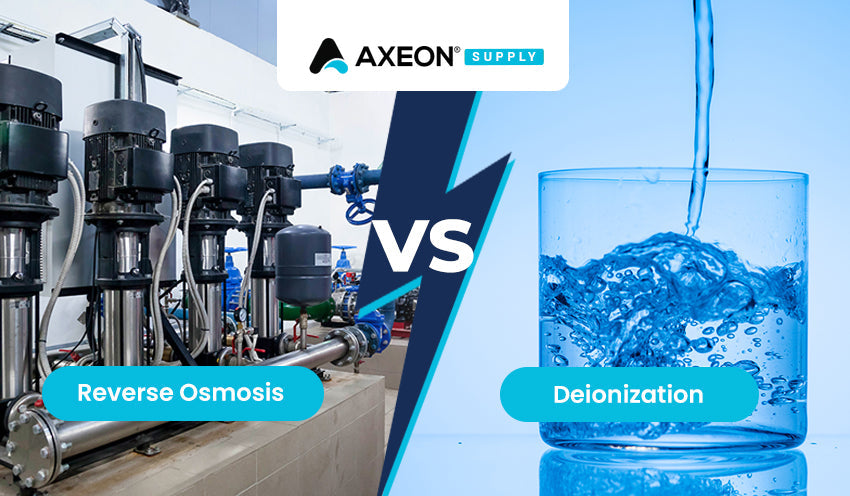
So, you’re standing in the water aisle, looking at two fancy bottles labeled Reverse Osmosis and Deionized. It’s like choosing between two very clean, very stubborn superheroes. Which one do you actually need? Let’s grab a coffee (made with tap water, obviously) and chat about it.
The Fancy Filter Family
First things first: both are super pure waters. They’re not your tap’s lazy cousin. They’ve been through the wringer—literally.
But they get clean in totally different ways. One uses brute force and a membrane. The other uses a kind of chemical magic trick. RO and DI are like the Batman and Superman of water purifiers. Different origins, same goal: kick out the bad guys.
Must Read
Reverse Osmosis: The Bouncer
Reverse osmosis (RO) is a physical process. It shoves water through a semi-permeable membrane under pressure. Think of it as a very strict bouncer at a club.
Only water molecules (and tiny gases) get past the velvet rope. Everything else—minerals, bacteria, viruses, that weird taste from your pipes—gets tossed out. It’s effective, removing about 90-99% of contaminants.
But here’s the funny bit: it’s slow. RO systems produce water drop by drop. And they waste water doing it. For every gallon of clean water, you might flush 2-4 gallons down the drain. Ouch. My wallet just whimpered.
Deionized Water: The Chemical Magnet
Deionized (DI) water is a chemical process. It runs water through special resins that act like magnets for charged particles. Whoosh—cations and anions are snatched up and held tight.
This gets water insanely pure. We’re talking 99.9%+ purity. It removes salts, minerals, and ions that RO sometimes leaves behind. It’s the water they use in labs and for washing delicate glassware. Need water that doesn’t conduct electricity? DI is your guy.
The catch? DI doesn’t remove uncharged things. Bacteria, viruses, or dissolved organic compounds can slip right through. It’s pure, but not necessarily sterile. Kind of like cleaning your counter with a magical sponge that only likes shiny bits.
Which One Wins a Coffee Date?
For your morning brew? RO wins, hands down. It removes chlorine, odors, and minerals that make coffee taste metallic. Your beans will thank you. Coffee snobs love RO water. It lets the flavor shine.
Deionized water for coffee is… risky. It’s so pure it can leach minerals out of your coffee maker. Your machine might rust faster. Also, it tastes flat. Like listening to a song with no bass. Boring.
 Two glasses filled with water.
The Lab Vs. The Kitchen
If you’re mixing battery acid or growing crystals in a science lab, DI water is your best friend. You need that extreme purity. RO won’t cut it because it leaves some trace minerals. Your experiment might explode. Dramatic? Maybe. But possible.
For drinking, cooking, or making ice cubes? Stick to RO. It takes out the junk, keeps some harmless minerals, and tastes like, well, water. DI water tastes weird. It’s like drinking a blank slate. Your tongue gets confused.
The Dirty Little Secret
Here’s the truth: you can combine them. Many labs use RO first to strip the bulk, then DI to polish it. That’s super pure water—the best of both worlds. But for your home? That’s overkill. Unless you’re a mad scientist disguised as a barista.
Also, maintenance is different. RO systems need new membranes every few years. DI resins exhaust and you have to replace them or regenerate them with acid and caustic chemicals. Fun for nerds, not for a Saturday afternoon.
Cost Check
RO systems are cheaper upfront. A decent under-sink unit costs $150-300. DI systems are cheap to buy, but the resins are pricey to replace. You’ll spend more over a year. Money talk: RO is friendlier to your budget day-to-day.
And let’s not forget: both need carbon pre-filters to remove chlorine. Chlorine destroys RO membranes and DI resins. So really, you’re buying a whole system, not just one magic box.
The Verdict (Pour Another Coffee)
Need a glass for drinking? Get Reverse Osmosis. It’s practical, affordable, and tastes fine. Your plants will like it, too. Your aquarium fish will do a happy dance.
Working in a chemistry lab or cleaning semiconductors? Go Deionized. Just don’t drink it unless you enjoy that “huh, this water has no personality” feeling. It’s like hugging a robot.
At the end of the day, they’re both very clean. But they’re not interchangeable. Choose based on what you’re trying to do. RO for life, DI for science. Now, let’s stop overthinking and just hydrate. Cheers to that water aisle decision being officially over.
