Reverse Osmosis Automatic Shut Off Valve

Let’s be honest—most of us don’t spend our Friday nights daydreaming about plumbing components. But there’s a quiet hero in your kitchen, likely hidden under the sink, that de...
Let’s be honest—most of us don’t spend our Friday nights daydreaming about plumbing components. But there’s a quiet hero in your kitchen, likely hidden under the sink, that deserves a standing ovation. Meet the Reverse Osmosis Automatic Shut Off Valve—the unsung minimalist of the water filtration world.
Think of it as the Marie Kondo of your under-sink setup. It knows exactly when to stop, sparking joy by preventing water waste and tank overflows. Without it, your RO system would run endlessly, like a faucet left on during a deep conversation. That little valve is the reason your water bill doesn’t look like a ransom note.
How It Actually Works (Without the Jargon)
Imagine your kitchen faucet is a party host, and the RO system is the bartender. The automatic shut off valve is the bouncer—it only lets water flow when the bar (your storage tank) is empty. Once the tank hits capacity, the valve says, “That’s enough, folks,” and cuts the supply.
Must Read
It works by sensing back pressure from the tank. When the tank is full, pressure builds and triggers the valve to close, stopping water production. This tiny mechanical brain saves gallons of water daily—up to 15 gallons per day in some systems, according to the EPA. That’s like skipping 30 showers of wasted water every week.
Fun fact: This valve was originally designed for industrial use, but home RO systems adopted it in the 1980s. Now, it’s as standard as Wi-Fi in a coffee shop.
The Cultural Connection: Minimalism & Momentum
In our hyper-connected world, we love things that know when to shut off. Think of your phone’s “Do Not Disturb” mode or the automatic lights in a smart home. The shut off valve is the analog version of that—a physical nudge to stop when enough is enough.
There’s a Zen-like beauty here. The valve doesn’t hesitate, complain, or overthink. It just acts. It’s the mechanical equivalent of that friend who knows exactly when to leave the party, leaving everyone wishing they had stayed longer. Practical wisdom: when the tank is full, stop.
Pop culture nod: Remember in The Office when Michael Scott keeps talking after the meeting is over? That valve is the opposite of Michael. It’s the disciplined, boundary-setting boss we all need.
Practical Tips for Your Home
First, check if your RO system already has an automatic shut off valve. Most modern units do, but older models—especially those from before 2000—might not. If you hear your RO system running constantly, even when no one is using water, suspect a faulty valve.
Second, replace the valve every 3-5 years as part of routine maintenance. They’re inexpensive—usually under $20—and can save you from a flood of disaster. A broken valve can cause your system to run nonstop, wasting water and wearing out the membrane.
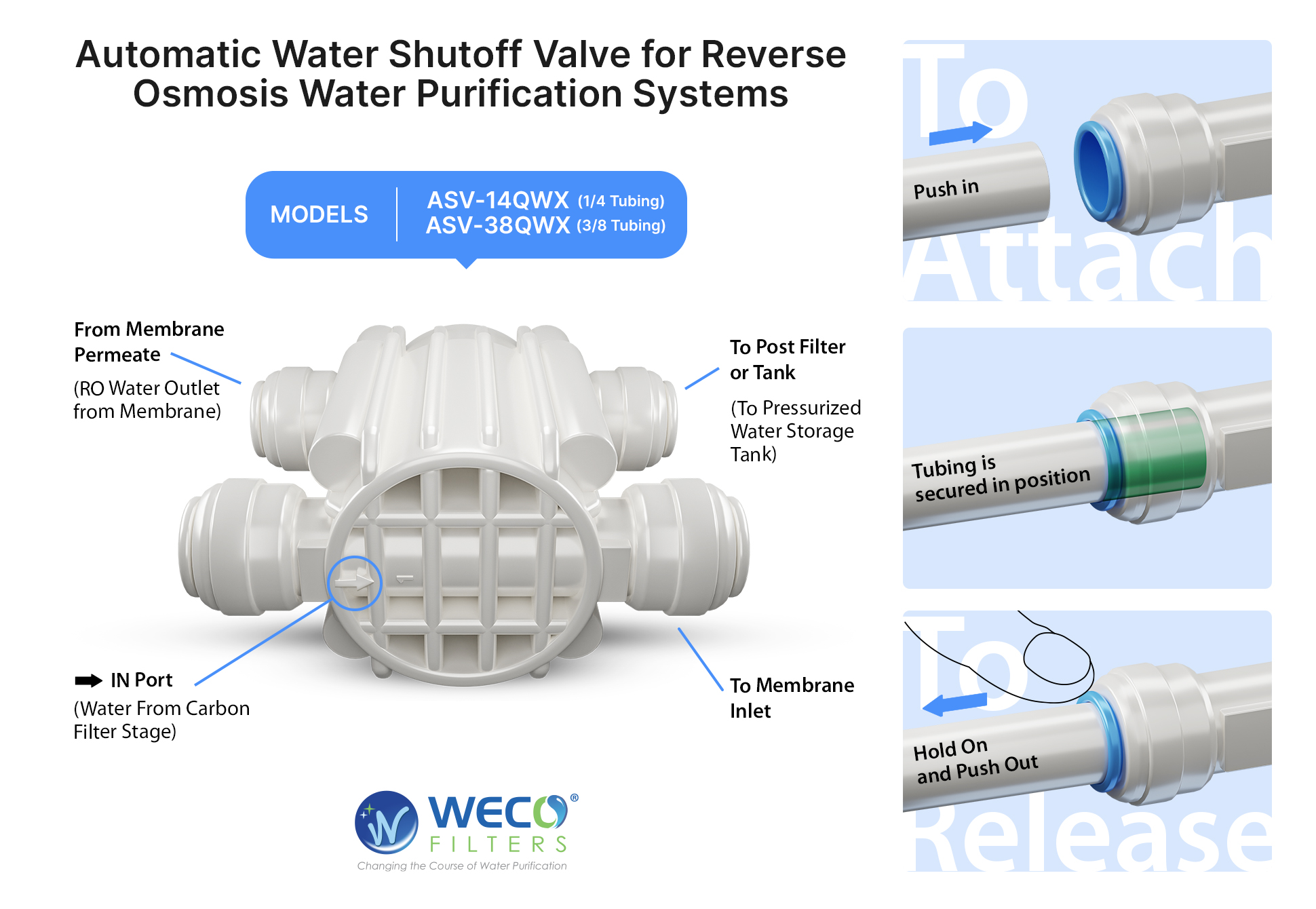
 Understanding the Diagram of a Reverse Osmosis Auto Shut Off Valve
Third, pair it with a pressure gauge for extra peace of mind. Install a small gauge between the valve and the tank; it’ll tell you exactly when the tank is full. Think of it as the dashboard light for your water system—no guesswork, just data.
The Little-Known Side Effect: Taste & Efficiency
When the valve works perfectly, your water tastes crisper. That’s because the membrane gets proper rest, not being forced to push water against a full tank. Overworking the membrane degrades its ability to filter out contaminants like chlorine and lead.
Fun fact: The average RO system with a functioning shut off valve can extend the membrane’s lifespan by up to 40%. That means fewer replacements and less plastic waste. It’s a small win for your wallet and the planet.
In the world of home upgrades, this valve is a sleeper hit. It doesn’t have the sex appeal of a smart thermostat, but it quietly saves you money, water, and headaches. It’s the introvert at the party—doing the real work while the flashy items get all the attention.
Connecting to Daily Life
We live in a culture that glorifies the hustle—always producing, always moving. But the automatic shut off valve reminds us that stopping is a form of intelligence. A full tank doesn’t need more water; a full life doesn’t need more noise. Knowing when to shut off is a superpower.
Next time you pour a glass of filtered water, give a silent nod to that little valve under the sink. It’s not just a piece of plastic and brass—it’s a philosophy. It teaches us that the best systems, like the best lives, know when to pause, rest, and wait for the next request.
So go ahead, enjoy that clean, crisp water. And remember: sometimes the smartest thing you can do is stop—even if you’re just a valve.
