Ultraviolet Light Disinfection Equipment

So, picture this: I’m in my kitchen, staring at a sponge that has seen things. It’s been through eggs, coffee spills, and that mysterious pasta sauce from last Tuesday. I’m ab...
So, picture this: I’m in my kitchen, staring at a sponge that has seen things. It’s been through eggs, coffee spills, and that mysterious pasta sauce from last Tuesday. I’m about to toss it, when my friend—a self-proclaimed “germ nerd”—yells, “Stop! Just microwave it!” I did. And then I remembered: ultraviolet light is like the microwave for your air and surfaces, but without the weird smells. That’s the gateway to our little chat today.
Let’s be real: ultraviolet (UV) light disinfection equipment sounds like something from a sci-fi movie, straight out of a lab with people in hazmat suits. But guess what? It’s probably sitting on a shelf at your local hardware store, or hidden in that sleek water bottle you just bought. We’re talking about light—invisible, brutal, and surprisingly effective—that zaps bacteria, viruses, and mold into oblivion. Kind of dramatic for a lightbulb, right?
Wait, How Does This Sunlight-on-Steroids Actually Work?
Here’s the quick and dirty science, because I know you’re not here for a textbook. UV light, specifically the UVC type, has a wavelength short enough to mess with the DNA and RNA of microorganisms. Think of it as a photon sniper: it shatters their genetic code, making them unable to reproduce or cause infection. Poof—dead. No chemicals, no residue, just crispy, neutralized germs.
Must Read
But here’s the irony: you can’t actually see it working. You flip a switch, and the device hums, but the room looks the same. It’s like hiring a ninja to clean your house—you trust it because you’re not coughing anymore, but you never saw the action. (Side note: never stare directly at these lights. I know, I know, you want to peek. Don’t. They can burn your retinas. Safety first, curiosity second.)
The Three Flavors of UV Gadgets You’ll Actually Encounter
First up: portable wands. These look like ray guns from a 90s toy store. You wave them over your phone, keyboard, or that suspicious hotel remote. Are they perfect? Not even close—you need to be millimeters away and hold still, or you’ll miss a spot. But for a quick, lazy disinfection? They’re oddly satisfying. “Zap, germ. Zap, you too, dust mite.”
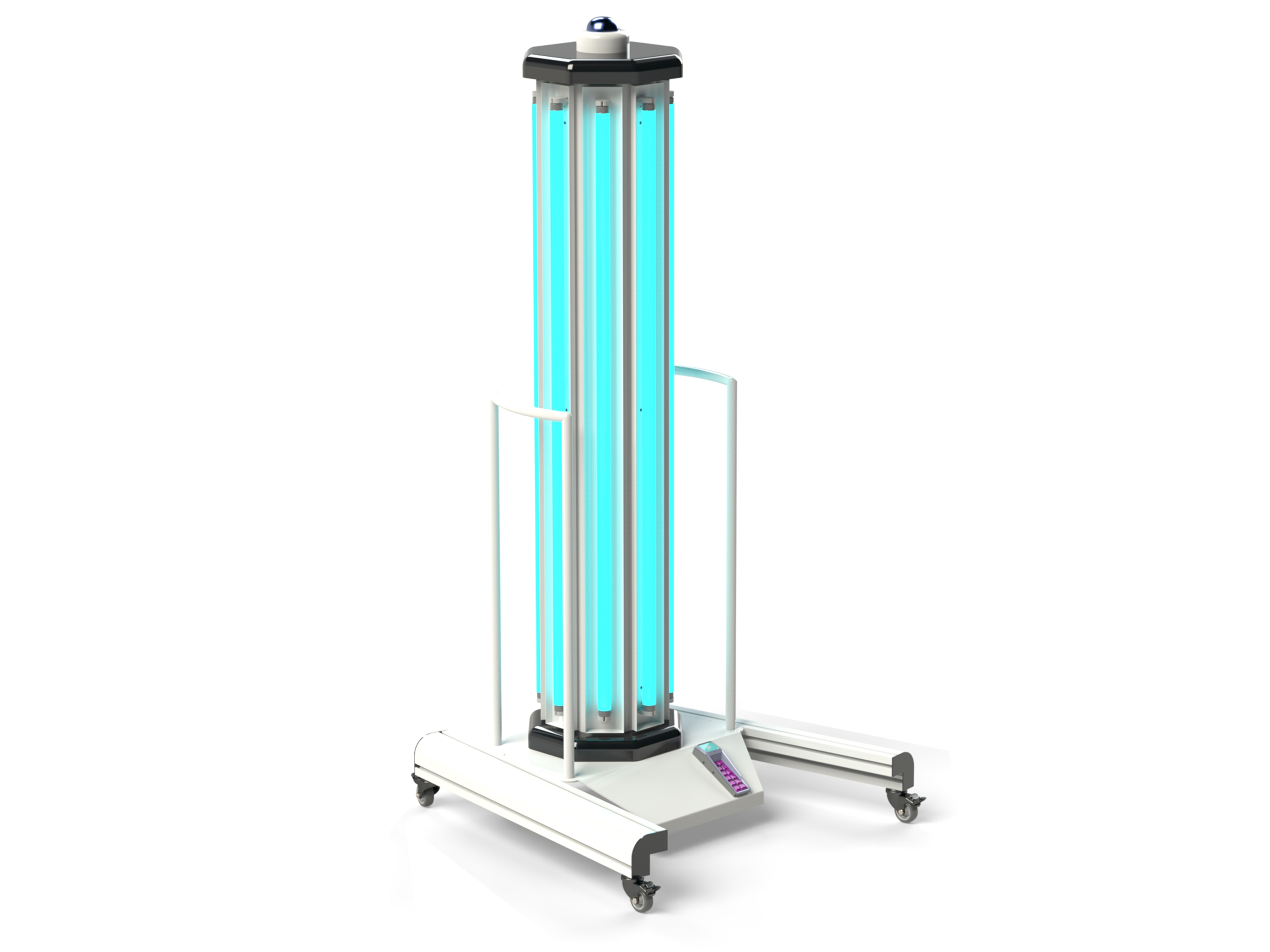
Then we have the big boys: whole-room UV towers. These are the monsters hospitals use during off-hours. They roll in, blast the room for 10-15 minutes, and leave it sterile enough for surgery. Retail versions exist now, but good luck running one while you’re in the room—they’ll give you a sunburn in seconds. You’d have to vacate the living room for a while. Perfect excuse to avoid folding laundry.
Finally, there’s the UV water bottles and air purifiers. These are built into your daily life. You press a button, and the water bottle sterilizes itself in 60 seconds. The air purifier? It sucks in dust, then zaps the microbe hitchhikers. It feels like magic, but it’s just light with a personality disorder—friendly to you, deadly to bugs.
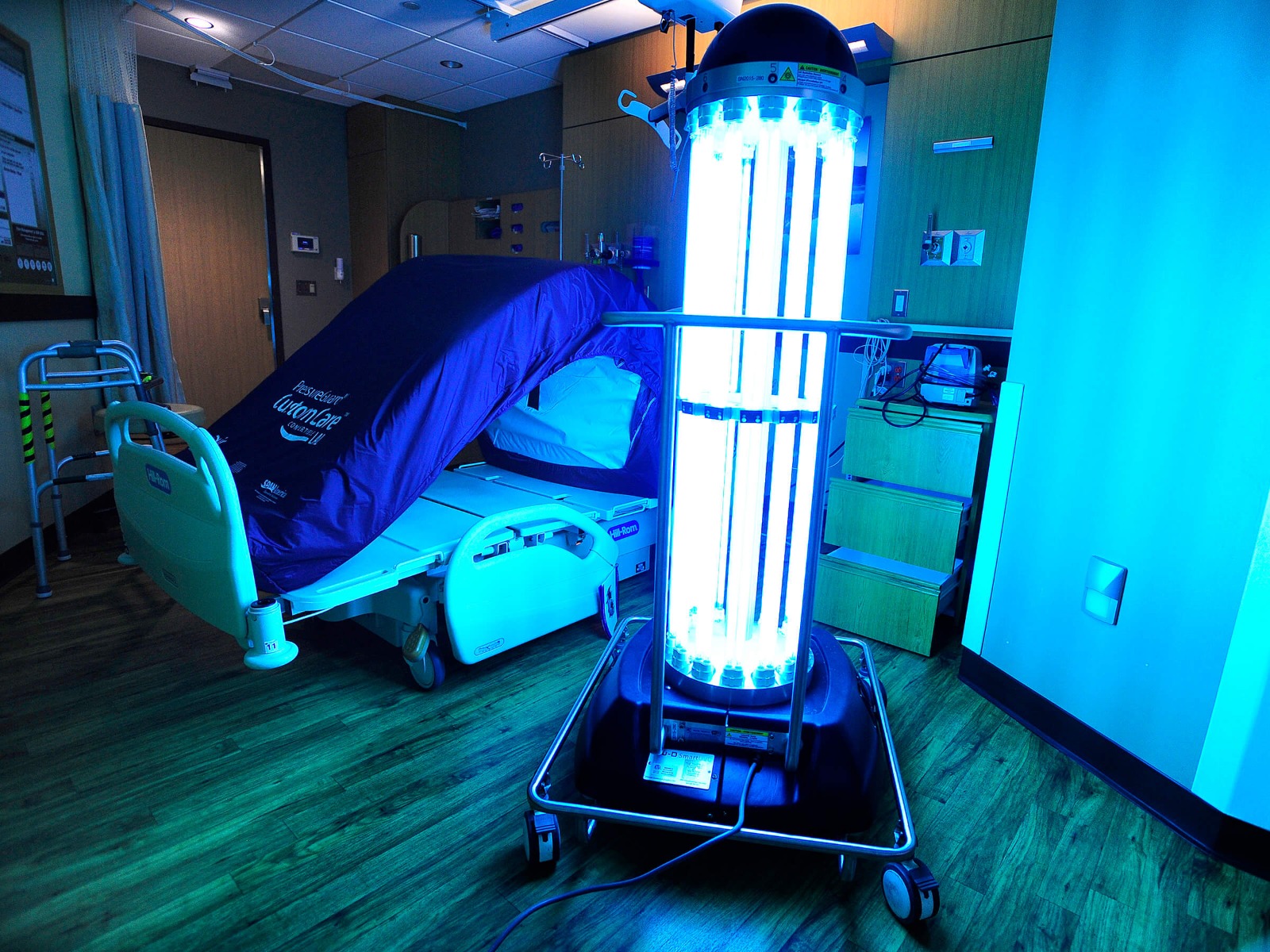 Ledrise - High Performance Led Lighting Disinfection with UV Light
But Does It Actually Kill COVID? And All That Jazz?
Short answer: yes, but don’t be a hero. UVC light kills SARS-CoV-2, the virus that causes COVID-19. Science says so. But—and here’s the blog-style “oh, honey” moment—it only works if the light hits the virus directly. If it’s hiding under a speck of dust or inside a crevice? Missed it. So, UV is a supplement, not a replacement for soap, hand-washing, and common sense. (Ironic, right? We have this high-tech beam, but a bar of soap still wins on coverage.)
Also, there’s a cheap-versus-expensive trap. I once bought a $20 UV wand from an online ad. It glowed like a neon bracelet but did absolutely nothing—turns out it was a “germicidal” lamp that only emitted blue light, not UVC. Buyer beware. Look for certifications from reputable test labs, or you’re just waving a fancy flashlight at your germs. And they’ll be laughing.
The Smell Factor: A Weird Side Effect Nobody Talks About
Run a UVC lamp in a room, and you’ll notice a faint, sharp ozone smell. It’s like the air after a thunderstorm, but from a light bulb. That’s because UV light can break oxygen molecules, creating ozone. Ozone is a double-edged sword—it kills germs too, but in high amounts, it irritates your lungs. Most modern equipment is “ozone-free,” but older models? You might get a whiff of the apocalypse. Ventilate. It ain’t a perfume.
So, should you buy a UV disinfection doodad? If you’re a hypochondriac with a spare $50, sure, have fun. But remember the anecdote from the start: I microwaved that sponge, it smelled like burnt toast, and I still threw it away. UV light is a tool, not a cure-all. It’s cool, it’s nifty, it’s overhyped in ads. Use it to zap your toothbrush head, but don’t expect it to save you from your kid’s sneeze. For that, you still need a good old-fashioned bleach wipe—and maybe a sense of humor.
