Ultraviolet Uv Water Disinfection System

So, you’re worried about what’s lurking in your tap water. Maybe you saw a documentary about ancient plumbing, or you just realized that “city water” sometimes smells like a s...
So, you’re worried about what’s lurking in your tap water. Maybe you saw a documentary about ancient plumbing, or you just realized that “city water” sometimes smells like a swimming pool’s angry cousin. Welcome to the club. We all want clean water, but we don’t want to drink something that tastes like a chemistry set. Enter the Ultraviolet (UV) Water Disinfection System—the superhero you never knew your kitchen needed.
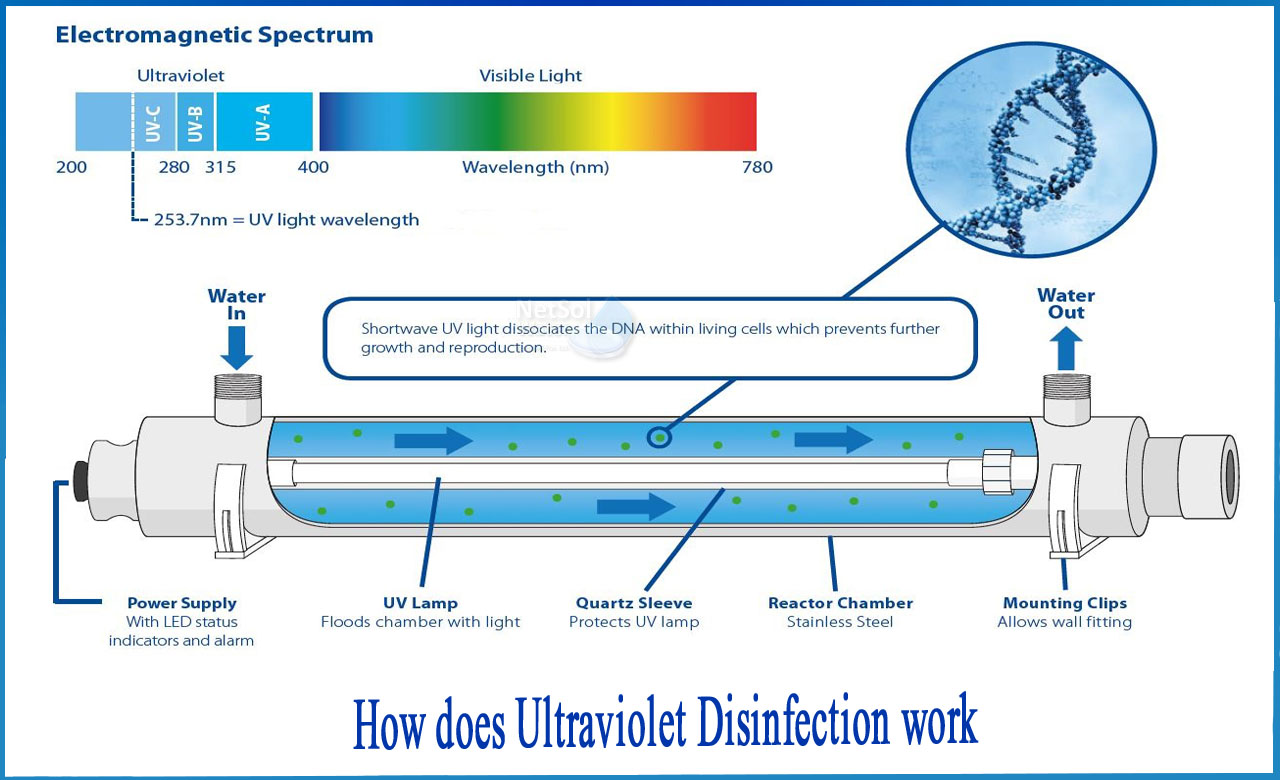
Imagine a tiny, invisible tanning bed for your drinking water. That’s basically what UV systems do. They blast water with ultraviolet light at a very specific wavelength (around 254 nanometers, if you’re into sci-fi specs). This light doesn’t boil anything or add weird chemicals. Instead, it zaps the DNA of bacteria, viruses, and other microscopic party crashers, turning them into harmless, sterile dust. Poof. No more waterborne hangovers.
Here’s the best part: UV disinfection is insanely effective. We’re talking a 99.99% kill rate against nasties like E. coli, Giardia, and Cryptosporidium—the little monsters that can turn your bathroom into your new best friend for a weekend. Compare that to chlorine, which is like using a sledgehammer to kill a fly. Chlorine adds a weird taste and can leave chemical byproducts that scientists frown at. UV is a surgical laser: fast, clean, and it doesn’t mess with your water’s flavor.
Must Read
But wait, there’s a catch. UV light is a bit of a diva—it needs clear water to work. If your water is murky, cloudy, or full of tiny sediment particles, those little specks can block the UV rays and shield the germs. Think of it like trying to get a tan through a muddy window. You need a pre-filter to remove grit and gunk first. So, if your water looks like weak tea, you’ll need a buddy system: a sediment filter plus your UV lamp. No big deal.
How Does This Wizardry Work?
Inside the UV system, there’s a fancy quartz glass tube that houses a mercury vapor lamp. When electricity hits it, the lamp emits UV-C light—the same kind that kills germs. Water flows past this lamp in a chamber that’s designed to maximize exposure. It’s like a car wash for microbes, but instead of soap, it’s nuclear-strength light. And you never even see it happen.
Here’s a shocking fact: UV systems use less energy than a standard 60-watt light bulb. That’s right—while you’re running your dishwasher like a jet engine, this water purifier is sipping electricity like a polite house guest. Plus, there’s zero waste. No plastic bottles, no filters to replace every month, and no slimy chemicals. Just a gentle hum and a quiet glow.
Now, I can already hear you asking: “But what if the power goes out? Will my water turn into a zombie apocalypse?” Calm down. UV systems are typically installed with a shut-off valve. If the lamp fails or you lose power, the system stops water flow automatically. No light, no water. It’s paranoid, but in a good way. Some models even have a UV sensor that screams at you if the lamp’s intensity drops. Listen to that scream.
What It Can’t Do (And Why That’s Okay)
Let’s be real: UV is not a magician. It cannot remove chemicals like lead, pesticides, or chlorine taste. Why? Because UV light is a DNA murderer, not a chemical sponge. If you have heavy metals or weird smells, you’ll need a carbon filter or reverse osmosis system before the UV stage. Think of it as a water team: carbon filters are the bouncers for chemicals, and UV is the sniper for germs. Together, they’re unstoppable.
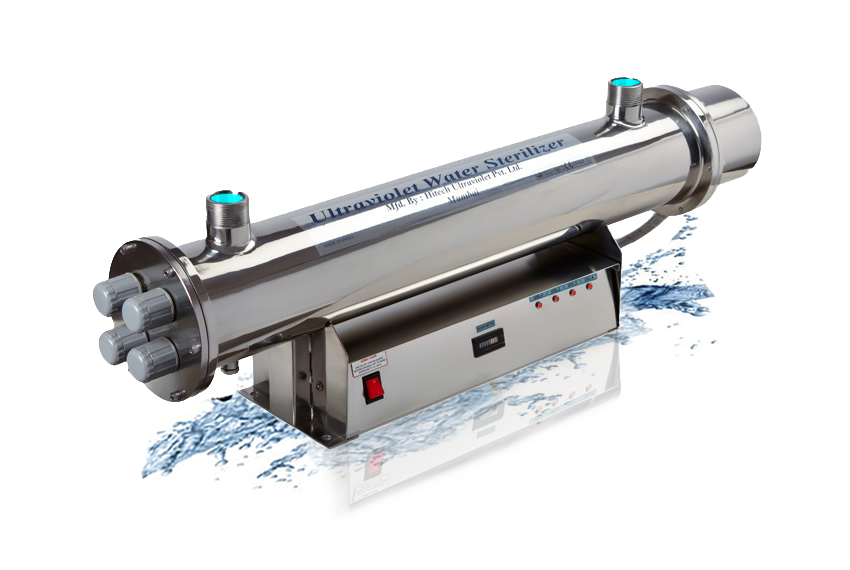 UV Water Disinfection System | UV Water Sterilizer
Also, UV doesn’t make water “soft” (remove mineral hardness). If you live in an area where your faucets grow white crust over time, you’ll need a water softener. But don’t worry—UV plays nice with other filters. It’s the cool, low-maintenance friend who gets along with everyone at the party. Just make sure you change the UV lamp once a year, because even superhero lamps get tired.
Surprising fact: UV water disinfection was actually invented in 1878. That’s right—before your great-grandparents were born, some clever Frenchman figured out that sunlight could kill bacteria. It wasn’t until the 1990s that home systems became affordable. So, you’re basically drinking technology that’s been waiting 146 years for its moment. Respect the legacy.
Now, the biggest misconception: people think UV systems are huge, scary machines that look like a spaceship part. Nope. Most home units are smaller than a wine bottle and mount under your sink like a secret agent. They come in stainless steel or plastic, and some even have a cute little “blue glow” window. It’s like a nightlight for your plumbing. Who knew killing germs could be so adorable?
One more thing—don’t forget to run the water for a few seconds before drinking if the system hasn’t been used in a while. Stagnant water is like a lazy teenager; it can grow a film of bacteria. Let the UV do its job for a moment before you fill your glass. Otherwise, you might swallow a microbe that just woke up from a nap. Not ideal.
So, should you get a UV system? If you’re on well water (hello, frog spawn!), or if you’re paranoid about municipal water (who isn’t?), it’s a brilliant investment. It’s a chemical-free, low-maintenance, nuke-the-germs solution that respects your taste buds and your wallet. You’ll never have to pretend you like the taste of chlorinated tap water ever again. Just don’t stare at the UV lamp—you’re not a germ, and that light will give you a sunburn on your cornea. Trust me, I know a guy who knows a guy. Drink up, safe and sound.
