Reverse Osmosis Water Treatment Facility

Let’s be honest: thinking about where your tap water comes from isn’t exactly as thrilling as watching a cat chase a laser pointer. But trust me, there’s a quiet hero working...
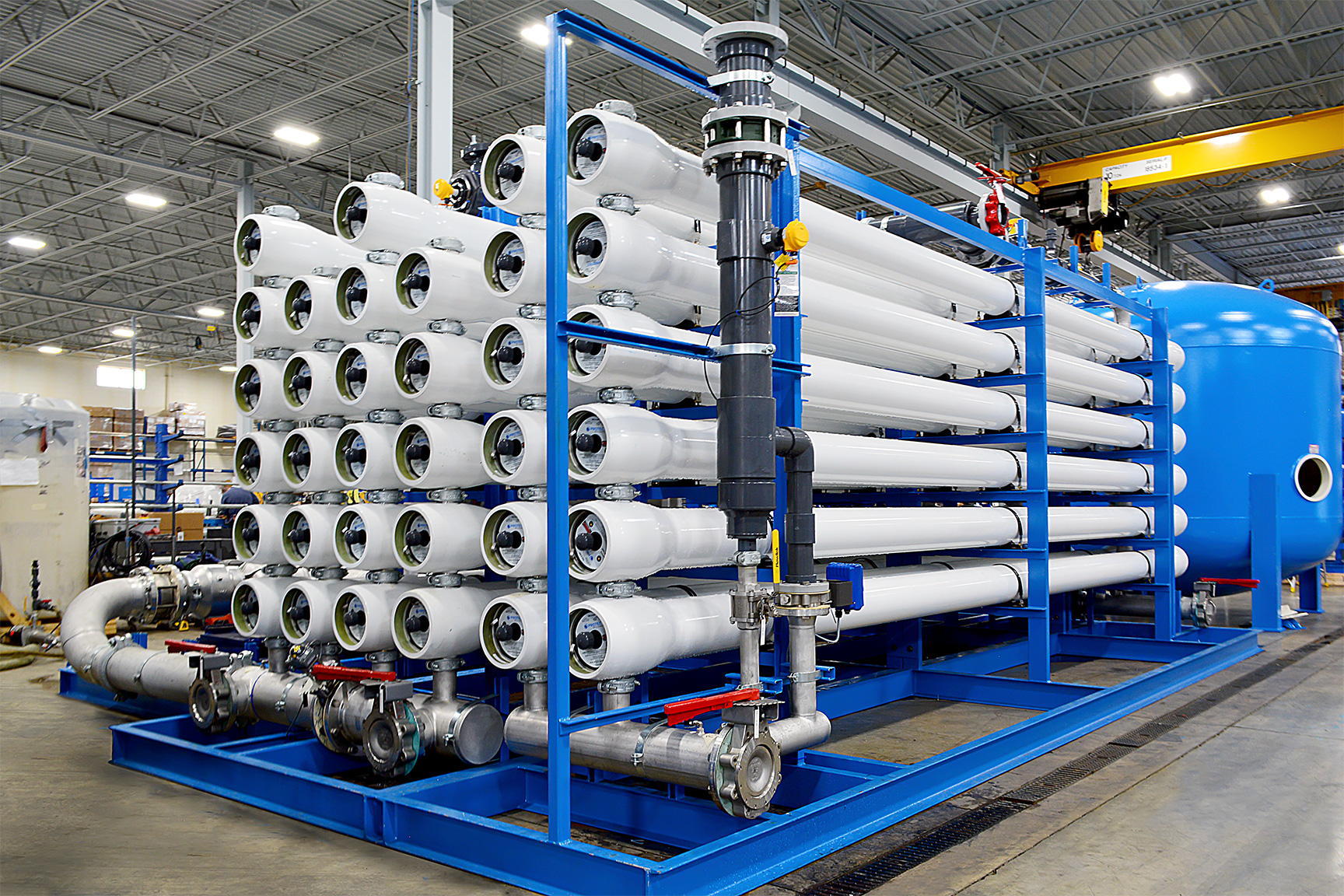
Let’s be honest: thinking about where your tap water comes from isn’t exactly as thrilling as watching a cat chase a laser pointer. But trust me, there’s a quiet hero working behind the scenes in your kitchen sink. It’s called a Reverse Osmosis Water Treatment Facility, and it’s way cooler than it sounds.
Imagine you’re trying to make the world’s purest cup of coffee, but your pot is full of old pennies and sea salt. That’s basically what this facility deals with every day. It takes water that’s been through the ringer—full of minerals, chemicals, and who-knows-what—and turns it into something so clean it could almost pass for a mountain spring.
So, what’s the big deal about reverse osmosis?
Picture a really, really picky bouncer at a fancy club. That bouncer is the membrane inside the system. Only pure water molecules get the VIP pass to slide through; everything else—arsenic, lead, chlorine, even some viruses—gets turned away at the door.
Must Read
It’s like when you strain spaghetti and the water goes through, but the noodles stay put. Except here, the “noodles” are things you definitely don’t want in your glass. The result? Water that tastes like nothing—which is actually the best compliment you can give a glass of H2O.
Why should you, living your busy life, care about this?
Maybe you’ve noticed that your morning tea tastes a little off lately. Or that your ice cubes turn cloudy and weird after a few days. That’s your hint that everyday tap water still carries baggage from the pipes, the local reservoir, or even the rain that fell on a factory roof.
A treatment facility using reverse osmosis doesn’t just clean the water—it protects your taste buds and your health without you having to do a thing. Think of it as a silent guardian that works 24/7, while you binge-watch your favorite show.
I remember visiting a small one in a coastal town where the tap water tasted like the inside of a seashell. The facility manager, a cheerful guy named Dave, showed me a jar of water “before” and “after.” The “before” was slightly yellow and had a funky smell. The “after” looked like liquid diamond. He said, “People don’t realize how much they’re swallowing until it’s gone.” Dave was right.
It’s not magic—it’s science you can trust
The process is actually pretty simple: water is forced under pressure through a semi-permeable membrane. That’s the reverse part of reverse osmosis. Normally, water would move from less salty to more salty places, but here we flip it. We push the dirty water through a fine filter that traps nearly everything bigger than a single water molecule.
You see this same idea in your own refrigerator’s water filter, just way bigger. A facility like this can clean thousands of gallons a day for entire neighborhoods, schools, or even that diner you love on the corner. It’s like having a giant Brita for an entire town.
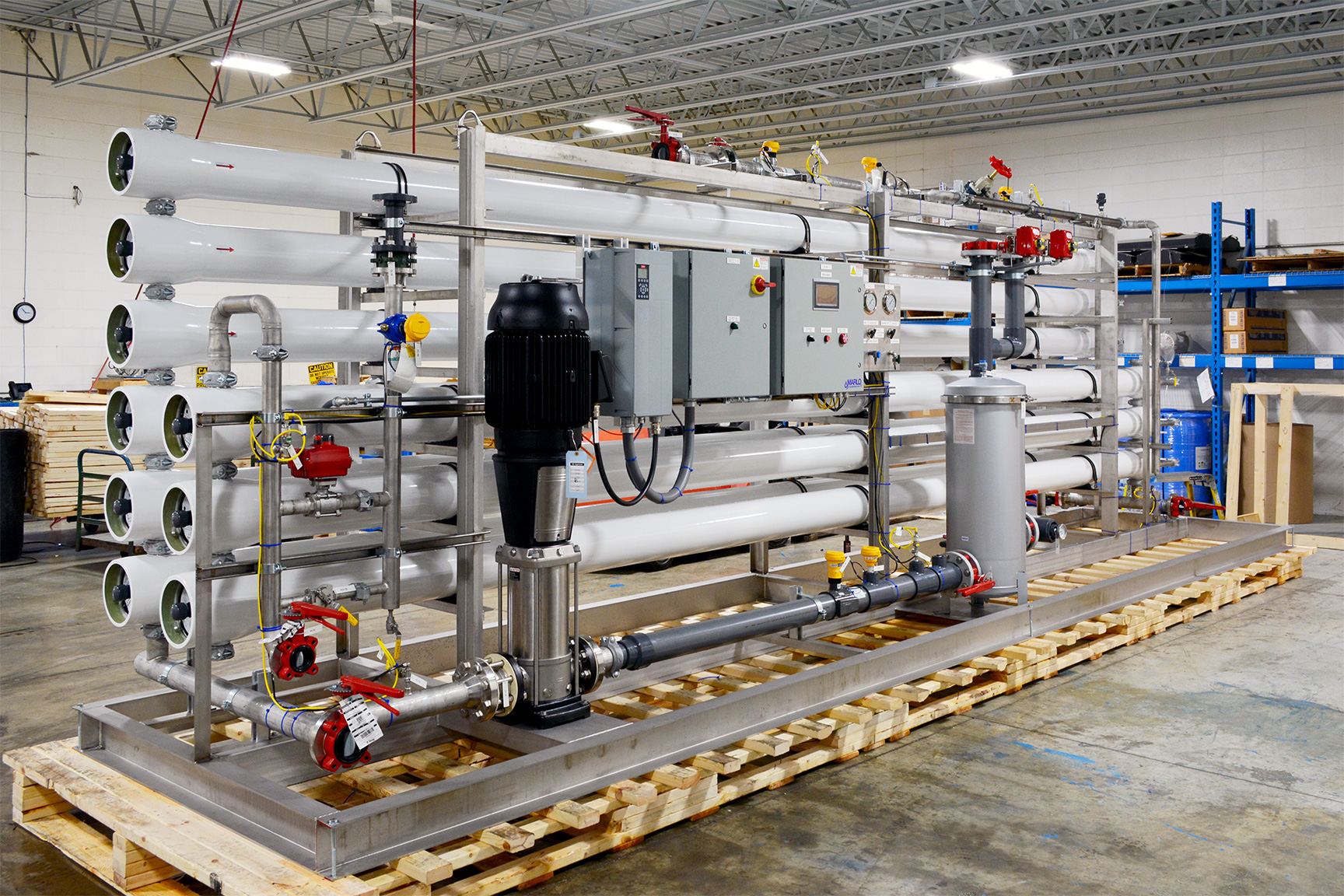 Membrane Filtration Reverse Osmosis at Dorothy Boots blog
And the best part? These facilities don’t use a ton of nasty chemicals. While traditional treatment uses chlorine or fluoride (which are fine, but heavy), reverse osmosis is mostly physical filtration. It’s like straining rocks out of sand—no extra weird stuff needed.
What about the bad stuff people worry about?
You might have heard rumors about “mineral-free” water. Sure, reverse osmosis removes calcium and magnesium, but unless you’re a cactus, you get those minerals from food anyway. Your pizza, your broccoli, your almond milk—they’ve got you covered. The trade-off is removing the lead, pesticides, and forever chemicals that do real damage.
I have a friend who swore his tap water smelled like a swimming pool. After his town built a reverse osmosis facility, he started drinking tap water again. He told me, “I can actually taste the lemonade now, not the chlorine.” That’s a small victory, but it’s a real one.
You’re not just a customer—you’re a champion
Here’s the warm fuzzy part: every time you turn on the tap in a town with one of these facilities, you’re supporting a system that cuts down on plastic bottles. That means less garbage in the ocean, less oil burned to ship bottled water, and more money in your pocket. It’s a win-win that feels good.
These plants also work quietly, often in unassuming buildings or underground. They don’t make noise or smell bad. They just hum along, doing the heavy lifting so you can chug a glass of water after a run without thinking twice.
So next time you fill up a glass, take a second to smile at the faucet. Behind that simple stream of clear goodness is a bouncer, a spaghetti strainer, and a whole lot of clever engineering—all making sure your drink is as pure as a whisper.
You don’t need to be a scientist to appreciate it. You just need to enjoy that first sip of coffee that tastes clean. And honestly? That’s worth raising a glass to.
