Air Gap Fitting For Water Softener Drain

So, you’ve got a water softener. Congrats! You’re officially fighting the good fight against hard water. But now you’re staring at the drain line and wondering, “What in the p...
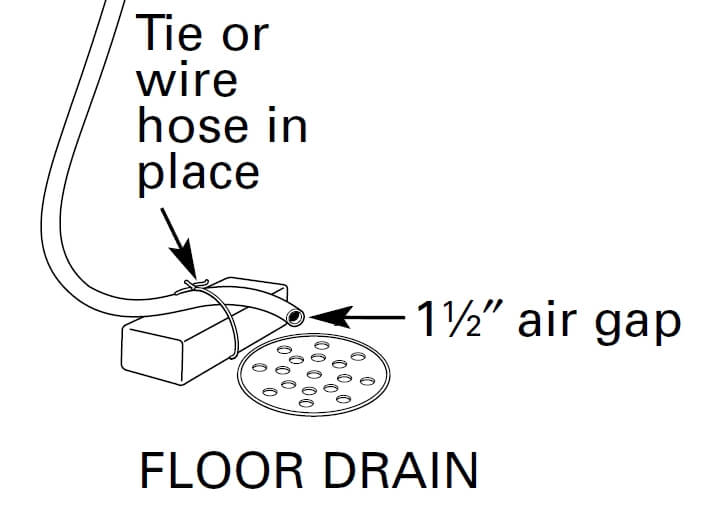
So, you’ve got a water softener. Congrats! You’re officially fighting the good fight against hard water. But now you’re staring at the drain line and wondering, “What in the plumbing world is an air gap fitting?” Don’t worry, friend. I’m here to make this as painless as possible—and maybe even a little fun.
Think of an air gap as the security guard for your plumbing. It’s a simple, clever device that stops nasty stuff from flowing backward into your clean water supply. Imagine your drain line taking a sip of dirty sink water. Gross, right? The air gap is the hero that prevents that horror show.
Why Do You Even Need This Thing?
Picture this: You’re softener is regenerating, flushing salty brine down the drain. All is well. But what if your main drain gets clogged? Suddenly, that salty, mineral-laden water has nowhere to go. It could back up, bubble over, and—nightmare fuel—suck back into your softener and into your drinking water.
Must Read
The air gap creates a physical break between your softener’s drain line and the home’s drainage system. It introduces a gap of open air. Water falls down through the gap, but nothing can crawl back up. It’s like a tiny moat around your castle of clean water.
Most local plumbing codes actually require an air gap for water softeners. Yes, it’s the law. But don’t think of it as a boring rule—think of it as your personal plumbing insurance policy. You wouldn’t skip wearing a seatbelt, would you? Same deal.
The Anatomy of an Air Gap Fitting
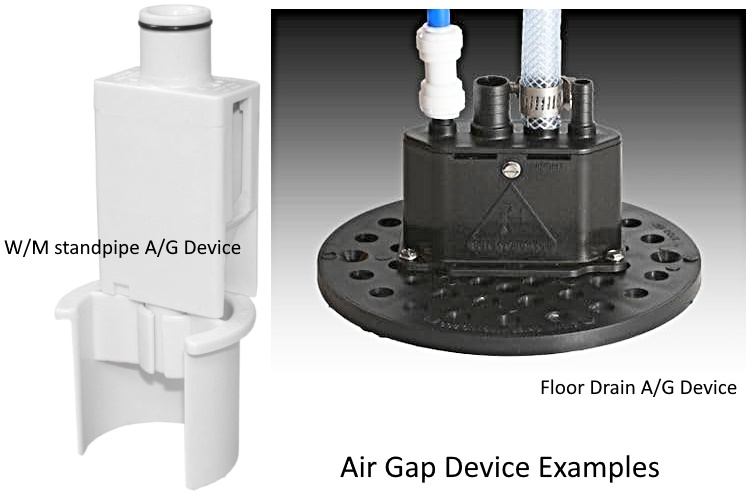
Let’s get visual. An air gap fitting usually looks like a small, chrome or plastic doohickey that sits on top of a sink, laundry tub, or standpipe. It has two ports on the side: one for your softener’s drain hose, and one for your dishwasher or other appliance.
Inside, there’s a sneaky little waterfall happening. The water from your softener is pumped up and out of the hose, then it splashes down through the air and into a funnel-like channel leading to the drain. The key? The hose never touches the drain water physically.
It’s a simple concept: air cannot travel upstream. Water can fall, but backflow can’t rise. It’s like trying to push a marshmallow up a waterfall—just not happening. Physics is your buddy here.
Where Does It Go? Installation Spotting 101
You’ll usually mount the air gap on the rim of a sink (near the faucet) or on top of a laundry standpipe. If you have a utility sink, that’s a perfect spot. Some folks even install it on a countertop if they’re feeling fancy.
The key rule: it must be above the flood rim of the drain. That means higher than the highest point where water could overflow. If your air gap is lower than your sink’s rim, you’re basically defeating the whole purpose—like wearing a raincoat with no buttons.
Don’t worry, though. Most kits come with instructions that are almost as clear as a cartoon. You drill a hole (or use an existing one), pop the fitting through, and tighten a nut under the sink. Easy peasy, unless you have the hand-eye coordination of a sleepy penguin. (In that case, call a plumber. No shame!)
The “Oops” Factor: Common Mistakes
One big boo-boo: People skip the air gap because it’s “ugly” or adds extra steps. Bad idea. Your water softener will still run, but you’re rolling the dice with your health. Also, some softeners come with a built-in air gap, but most cheap ones don’t. Check your manual!
Another classic error: Using a hose clamp that’s too tight and crimping the tubing. Water needs to flow freely. If you squeeze the life out of it, you’ll get a trickle—or a little geyser. Neither is fun.
 Learning About Water Softeners | Summerville's Blue Palmetto Home
And please, don’t plug the air gap’s vent hole. Yes, the little hole on top is supposed to be open. That hole lets air in and prevents a vacuum. If you stuff it with glue or duct tape, you’re asking for a gurgling, sputtering mess. Trust me, you don’t want that symphony in your kitchen.
But Wait—Is It Hard to Clean?
Not at all. Air gaps are low-maintenance friends. Occasionally, you might get a bit of gunk or a slimy biofilm buildup (ew, but natural). Just unscrew the top cap, pull out the little inner cone, and rinse it with hot water. Voilà—clean as a whistle.
If you notice a weird smell coming from the air gap, it’s usually just stagnant water. Run some hot water through it, or pour a cup of white vinegar down the drain side. That’ll freshen things up faster than a lemon-scented lie.
Pro tip: Don’t ignore a leaking air gap. A small drip could mean a loose connection or a crack. Fix it before it becomes a mini indoor waterfall. Your floor will thank you.
Tools & Gear: What You’ll Need
Grab your air gap fitting kit (usually under $20 at any hardware store). You’ll also need a drill with a 1-inch or 7/8-inch bit, some adjustable pliers, and maybe a little patience. Oh, and a towel—because water, like cats, always finds the spot you least expect.
The hose from your water softener typically connects to the larger port on the air gap. The smaller port (if present) is for a dishwasher. Read your kit’s diagram carefully—it’s less painful than guessing.
And one more thing: use stainless steel hose clamps. Plastic ones crack over time, and nobody wants a surprise spray shower while doing dishes. Stainless steel = forever friends.
The Uplifting Conclusion (You Made It!)
So there you have it. The air gap fitting is your water softener’s loyal sidekick, standing guard against backflow villains. It’s small, cheap, and ridiculously effective. Once you install it, you can sleep soundly knowing your drinking water is safe from the murky abyss of your drainpipe.
Honestly, the whole thing is a bit magical. A little plastic gadget creates a force field of clean using nothing but air and gravity. That’s not plumbing—that’s poetry with pipes. You’ve got this. Your water is soft, your conscience is clear, and your air gap is doing its silent, heroic duty.
Go ahead, give your softener a little high-five. And if you hear a tiny gurgle of approval? That’s just your air gap saying, “You’re welcome.” Now go enjoy a glass of perfectly softened water—and smile, because you just became a plumbing legend in your own home. Cheers!
