Is Distilled Water The Same As Deionized

Ever stood in the water aisle of the grocery store, staring at a bottle of “distilled” water and then at a bottle of “deionized” water, feeling like you’ve stumbled into a che...
Ever stood in the water aisle of the grocery store, staring at a bottle of “distilled” water and then at a bottle of “deionized” water, feeling like you’ve stumbled into a chemistry class you forgot to sign up for? You’re not alone. I once grabbed a jug of deionized water thinking it was just fancy spring water, only to find my coffee maker acting like a confused robot for a week.
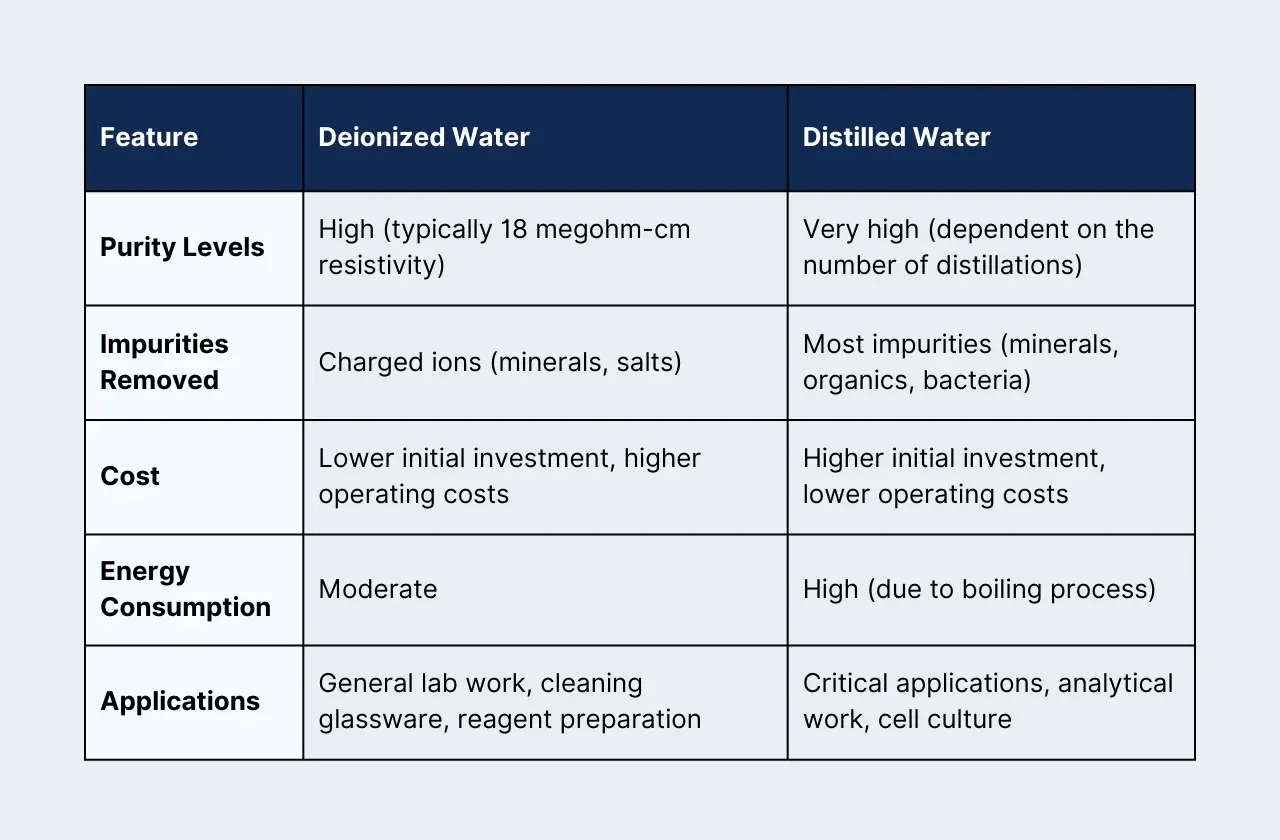
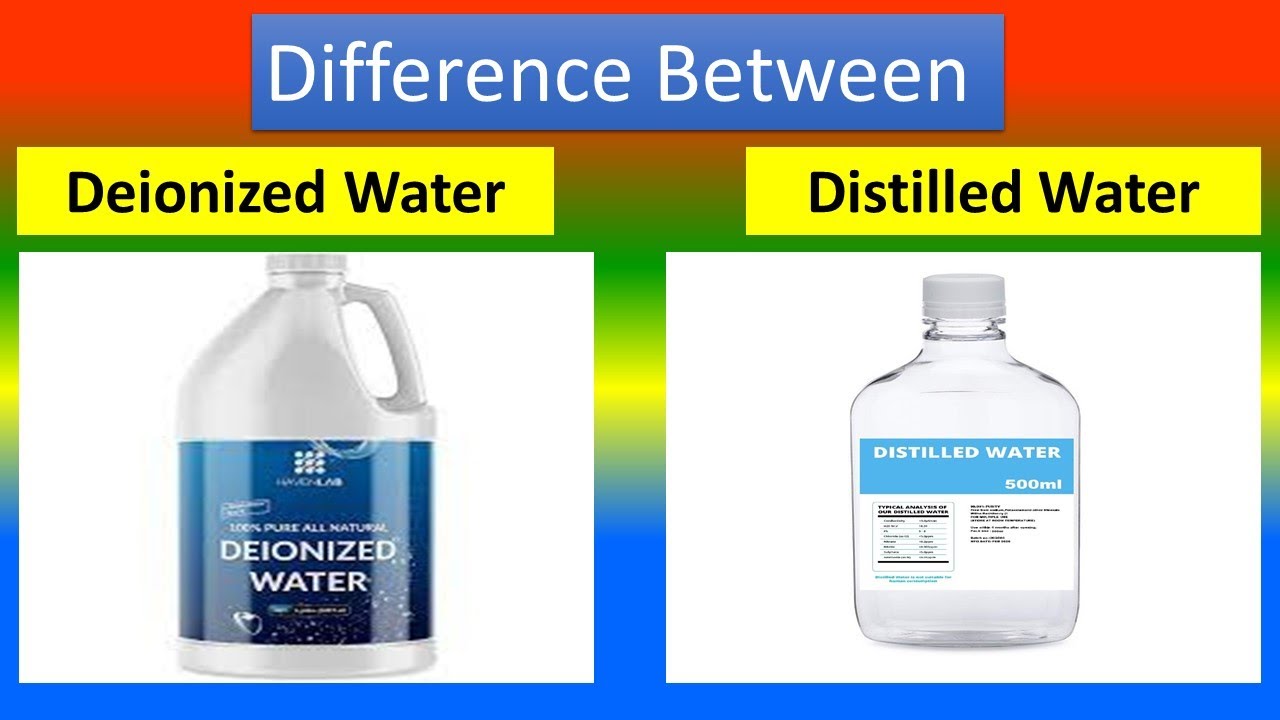
The short, easy answer is no: distilled water and deionized water are not the same thing. Think of them as two very different ways to kick impurities out of a water party. They both end up with cleaner water, but their methods are about as similar as a steam bath and a high-powered magnet.
Distilled Water: The Steam Bath Method
Distilled water is basically water that’s been through a sauna and then told to shape up. You boil the water, let the steam rise, and then trap the steam as fresh, pure liquid water. It’s like when you boil pasta and the steam fogs up your kitchen windows—that steamy fog is what distilled water looks like before it’s collected.
Must Read
This process removes almost everything: minerals, bacteria, even that weird taste your tap water gets after sitting in the fridge. But it’s not perfect—some volatile chemicals, like those that boil at lower temperatures than water, can hitch a ride in the steam. It’s like kicking a house guest out the front door, but a few sneaky ones climb out the window.
The Everyday Distilled Water Experience
I once used distilled water in my car battery, but my friend used tap water. His car started fine, but the battery died a year early, all crusty and sad. Distilled water is the safe bet for things like steam irons, CPAP machines, and baby formula, because it leaves no mineral residue behind.
But drinking it? It’s like drinking the silent, blank stare of a zen monk. Some people say it tastes flat, and they’re not wrong—all those minerals that give water a “zing” are gone. If tap water is a loud conversation at a party, distilled water is the awkward pause.
Deionized Water: The Magnetic Makeover
Deionized water, on the other hand, gets purified using a chemical magnet process. Instead of boiling, it passes through special resins that swap out the charged ions (like calcium and magnesium) for hydrogen and hydroxyl. Think of it as a very picky bouncer at a club who only removes the troublemakers—the charged particles—while leaving everything else alone.
This method is super effective at removing dissolved salts and minerals, making it extremely pure for science labs, car washes, and electronics manufacturing. It doesn’t remove bacteria or viruses, though, which is why you shouldn’t drink it unless it’s been specially treated afterwards. It’s like ordering a salad with no dressing, but forgetting to check for bugs.
 Chemical Makeup Of Distilled Water - Mugeek Vidalondon
When Deionized Water Shows Up in Your Life
Last summer, I tried to use deionized water to clean my glasses—bad move. It smeared everything because it was too eager to grab particles off the glass. It’s fantastic for rinsing your car after a wash to avoid water spots, but it can also taste a bit “sharp” if you accidentally sip it.
Pro tip: Don’t pour deionized water into your humidifier unless you want the mist to smell like a high school chemistry lab. Stick to distilled for that. Deionized is the overachiever that does one job perfectly but is weirdly useless at everything else.
The Big Picture: Which One Do You Need?
If you’re making coffee, use distilled. If you’re topping off a lead-acid battery, use distilled. If you’re performing a DNA experiment in your garage, use deionized. For drinking? Honestly, tap water or filtered spring water is fine for most of us, unless you’re a fancy fish in an aquarium.
I once bought distilled water by mistake when I needed deionized for a car detail. The result? Streaks on my windows that looked like a sad clown’s tears. Know your water personalities, and you’ll avoid that kind of tragedy.
A Final, Goofy Comparison
Think of distilled water as that friend who takes a full spa day to relax and remove all stress. Deionized water is the friend who hires a specialist to surgically remove their phone addiction but keeps their coffee habit. Both are cleaner, but their paths to purity are wildly different.
So next time you’re in the water aisle, just ask yourself: “Do I need this water to be a blank slate, or do I need it to be a surgically precise tool?” And if you still can’t decide, just grab a bottle of spring water and walk away smiling. Your coffee maker won’t judge you.
