Whole House Water Filter Reverse Osmosis

Let’s be honest: when most of us think about our home’s water, we just turn on the tap and hope for the best. It’s like a trust fall with your plumbing. But after a while, you...
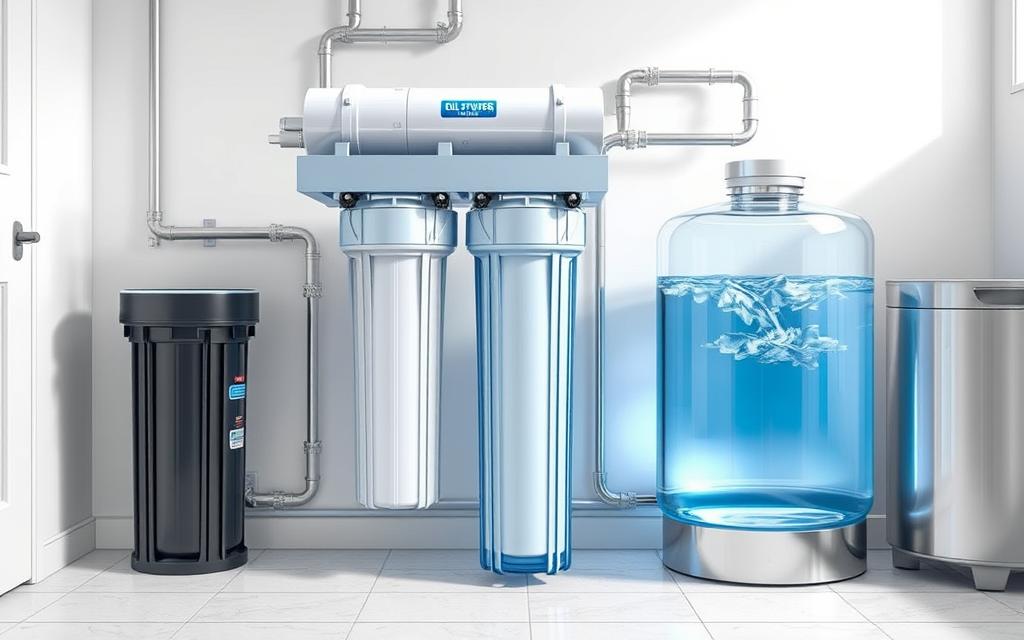
Let’s be honest: when most of us think about our home’s water, we just turn on the tap and hope for the best. It’s like a trust fall with your plumbing. But after a while, you start noticing little things—a metallic aftertaste in your morning coffee, or a weird film on your favorite glass.
That’s where the whole house water filter and reverse osmosis (RO) system come in. Think of them as the dynamic duo of hydration. One is the bouncer at the club, and the other is the VIP suite. Together, they make your water taste like it came from a mountain spring—minus the hike.
What’s the big deal about dirty water anyway?
Imagine your water pipes are like a long, dark hallway in a castle. Over time, they collect dust, rust, and who-knows-what. A whole house filter is like a security guard at the entrance, stopping the big stuff—like sediment, chlorine, and dirt—before it even reaches your shower or washing machine.
Must Read
This means your skin feels less like sandpaper after a shower. Your laundry stays brighter because there’s no iron or calcium staining your whites. And your family’s first sip of water from the kitchen sink doesn’t taste like a swimming pool.
And then comes the star of the show: Reverse Osmosis
If the whole house filter is the bouncer, reverse osmosis is the master chef. It takes the already-filtered water and pushes it through a super-fine membrane that catches tiny particles—things like lead, pesticides, and even those microplastics you keep hearing about on the news. It’s like having a molecular colander for your tap.
Picture your kid asking for a glass of water after playing outside. With RO, you’re handing them something that’s cleaner than most bottled water. And you didn’t have to drive to the store or recycle dozens of plastic jugs.
A real-life story: The case of the weird-tasting ice
My friend Jenna used to complain that her ice cubes clouded up and smelled like old refrigerator leftovers. She tried everything—cleaning the trays, buying fancy ice makers. Then she installed a whole house filter plus an RO system under her sink. Now her ice is clear as diamonds, and her iced tea tastes like, well, tea.
She told me, “I never knew my water was the problem. I thought I just hated drinking water.” Turns out, she didn’t hate water—she hated bad water. That’s a huge difference.
Why you should care (even if you think your water is “fine”)
Your city probably treats water with chlorine to kill bacteria. That’s necessary, yes, but it also makes your water smell like a band-aid. A whole house filter removes that chlorine so your showers smell like steam, not bleach. Your hair will thank you—less frizz, more shine.
 How Reverse Osmosis Removes Contaminants from Your Water
And here’s the kicker: an RO system removes things that most city filters miss, like arsenic, nitrates, and pharmaceuticals. I know, it sounds scary, but it’s better to know than to pretend. It’s like wearing a seatbelt you never use—you don’t need it until you really, really do.
What about cost and maintenance?
I won’t lie: these systems aren’t pocket change. But think about how much you spend on bottled water, plastic jugs, and fancy filters for your fridge that never quite work. A whole house filter and RO system cost less over time than buying cases of water for a few years. And you get better tasting water at every tap.
Maintenance is simple. Most units just need a filter change every six months to a year. You can even set a reminder on your phone. It’s easier than remembering to water your fern—and way more rewarding.
Is it for everyone?
If you live in a house with a basement or crawl space, you’re golden. If you’re in an apartment, you can still get an under-sink RO system for your kitchen. There are even countertop versions that plug in like a coffee maker. No, you don’t need a PhD in plumbing to get clean water.
One thing to keep in mind: RO systems waste a little water during the filtration process (kind of like when you rinse a sponge). But newer models are super efficient, and the trade-off—pure water—is totally worth it for most families.
The bottom line
Your water should make you smile, not scrunch your nose. A whole house filter and reverse osmosis system turn your home into a hydration sanctuary. No more lugging bottles from the store. No more suspicious aftertastes. Just crisp, clean water that makes everything—from cooking pasta to washing your face—feel a little more luxurious.
So go ahead, treat your tap. Your body, your coffee, and your laundry will all send you a thank-you note. And honestly, isn’t that the kind of upgrade we could all use?
