Where Are Water Meters Located In Houses

So there I was, Sunday morning, blissfully unaware and clutching my third cup of coffee. The shower was running—a glorious, steamy affair—when suddenly the water sputtered, co...
So there I was, Sunday morning, blissfully unaware and clutching my third cup of coffee. The shower was running—a glorious, steamy affair—when suddenly the water sputtered, coughed, and died. I stood there, shampoo in my hair, looking like a sad, wet poodle. My first thought? “Who turned off the main valve?!” (It was me, accidentally, while gardening the night before. Classic.)
That frantic search for the shut-off valve led me to a deeper question: where the heck are water meters actually hiding in houses? You’d think these little gadgets would be polite enough to introduce themselves when you move in. Nope. They’re the introverts of the plumbing world—always tucked away, never making eye contact.
Let me save you from my dumb, shampoo-filled panic. The most common spot, and the first place you should check, is the basement or crawl space. Look near the front wall of the house, right where the main water line sneaks in from the street.
Must Read
It’s usually a brass or plastic dome about the size of a saucer, with a little glass face and a spinning dial. (Pro tip: that spinning dial is your enemy—it means you’re paying for water.) If you’re lucky, it’ll be mounted on a pipe with a handle, right next to the shut-off valve.
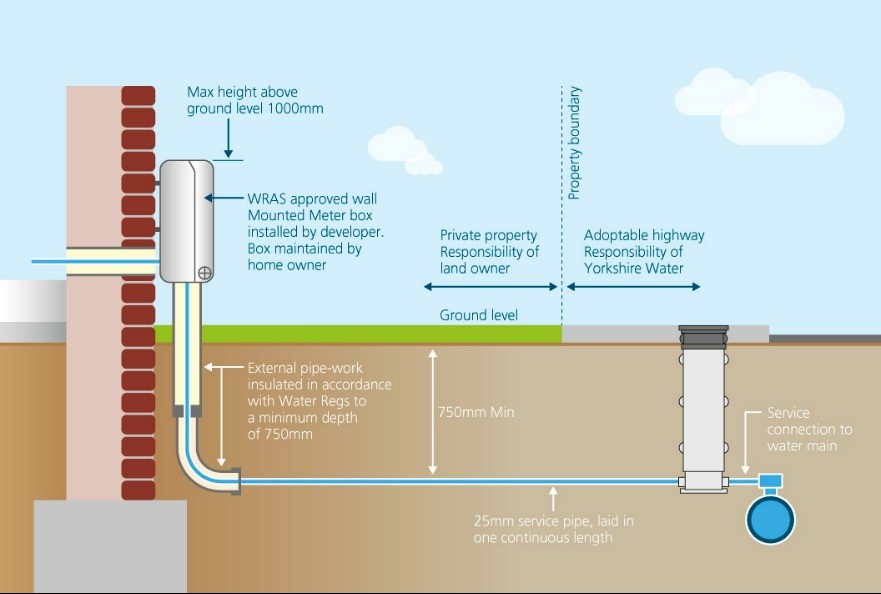
No basement? Don’t panic—you’re not doomed to a life of guessing. In warmer climates where basements are a myth (hello, Texas and Florida), meters like to hang out outside. They’re often buried in a small concrete box in your front yard, near the sidewalk or driveway.
That box has a metal lid that you can pry off with a screwdriver—just watch your fingers, because spiders love real estate there. (I’m not joking; I once found a whole spider family running a tiny Airbnb under mine.) Always spot the lid before you need to read it in an emergency, or you’ll be digging up your lawn at midnight.
Now, for you apartment dwellers or condo owners: your situation is a bit sneakier. You’ll likely find your meter in a shared utility closet, a laundry room, or even behind a painted-over panel in the hallway. Some landlords hide them so well you’d think they’re scared of the meter judging their life choices.
If you live in a modern building, check near the water heater or the main shut-off valve for the unit. Keyword: “main.” If you see a pipe that looks larger than your wrist, you’re on the right track. And if you’re still lost, ask a neighbor—but brace yourself for the “Oh, you didn’t know?” eyebrow raise.
The Sneaky Outdoor Hideaways
Let’s talk about those outdoor meters again, because they’re the real tricksters. In colder states like Minnesota or Michigan, you won’t find them in the yard—they’re inside the house to prevent freezing. But in places that see frost, the meter might be in a heated garage or a dedicated utility room.
Here’s the kicker: sometimes the meter is behind a wall panel that looks like it belongs in a haunted house. I’m talking about a small, painted-over square door near the floor—often in a hallway or a closet by the front door. Yes, it’s that awkward panel you’ve ignored for years. It’s not a fairy door; it’s your water meter.
 Where Is My Water Meter (And How To Read 3 Different Types)? | 1-Tom
If you’re in a townhouse or a row home, check the basement wall facing the street. They’re almost always on the right side, about two feet off the ground. If your house is more than fifty years old, it might be in a weird corner of the basement, near a coal chute or a forgotten washbasin.
What About Those Fancy New Homes?
In newer construction (post-2005), builders got smart—and lazy. Many meters are now placed in a garage, on the wall near the water heater. They’re often painted the same beige or white as the wall, so they blend in like a chameleon. Look for a white plastic box with a clear lid. It’s not a security camera; it’s your monthly bill given physical form.
Another modern trend: the “smart meter” with a digital display. These might be inside your electrical panel—I know, confusing. Check near your breaker box; sometimes the water company installs a little transmitter right next to it. (They really don’t want you to find it easily, do they?)
And here’s a wild card: if you live in a multi-unit building, your meter might be in a gang box with all the other meters. That’s a big metal cabinet in a back alley or a downstairs closet. You’ll need a key from the super, which they will hand to you with a heavy sigh. You’re now on their “high-maintenance tenant” list—congratulations.
Why Should You Even Care?
I didn’t care until my shampoo moment, but now I’m a convert. Knowing where your meter is saves you from surprises, like a leak that runs your bill into the triple digits. Check it once a month—look for the little red triangle or star on the dial. If it’s spinning while all your taps are off, you’ve got a leak.
Also, you’ll need to find it if you’re selling your house or if a plumber needs to do a repair. Nothing makes you feel more useless than saying, “Umm, it’s… somewhere in the yard, I think?” while a pro stares at you. That’s the look you deserve for not reading this article earlier.
One last tip: grab a flashlight and your phone, and go on a meter hunt today. Open every closet, lift every basement floor panel, and stare at that weird metal box by the sidewalk. When you find it, take a photo and label it “Water Meter” in your phone. Future You will thank Present You—probably with a cold, steamy shower.
Now go find your meter before your next shampoo disaster. And remember: if it’s covered in spiderwebs, that’s just the meter’s way of saying “You’re welcome for doing your job while you ignored me.” Cheers.
