Is Deionized The Same As Distilled Water

Have you ever stood in the grocery aisle, staring at two identical-looking bottles of water, wondering, “Is deionized the same as distilled water?” You’re not alone! It’s a qu...
Have you ever stood in the grocery aisle, staring at two identical-looking bottles of water, wondering, “Is deionized the same as distilled water?” You’re not alone! It’s a question that sounds like a chemistry pop quiz, but I promise, the answer is way more fun than you think. Let’s dive in, and I’ll show you why this little knowledge nugget can actually make your life cooler.
The Short Answer: Nope, They’re Cousins, Not Twins
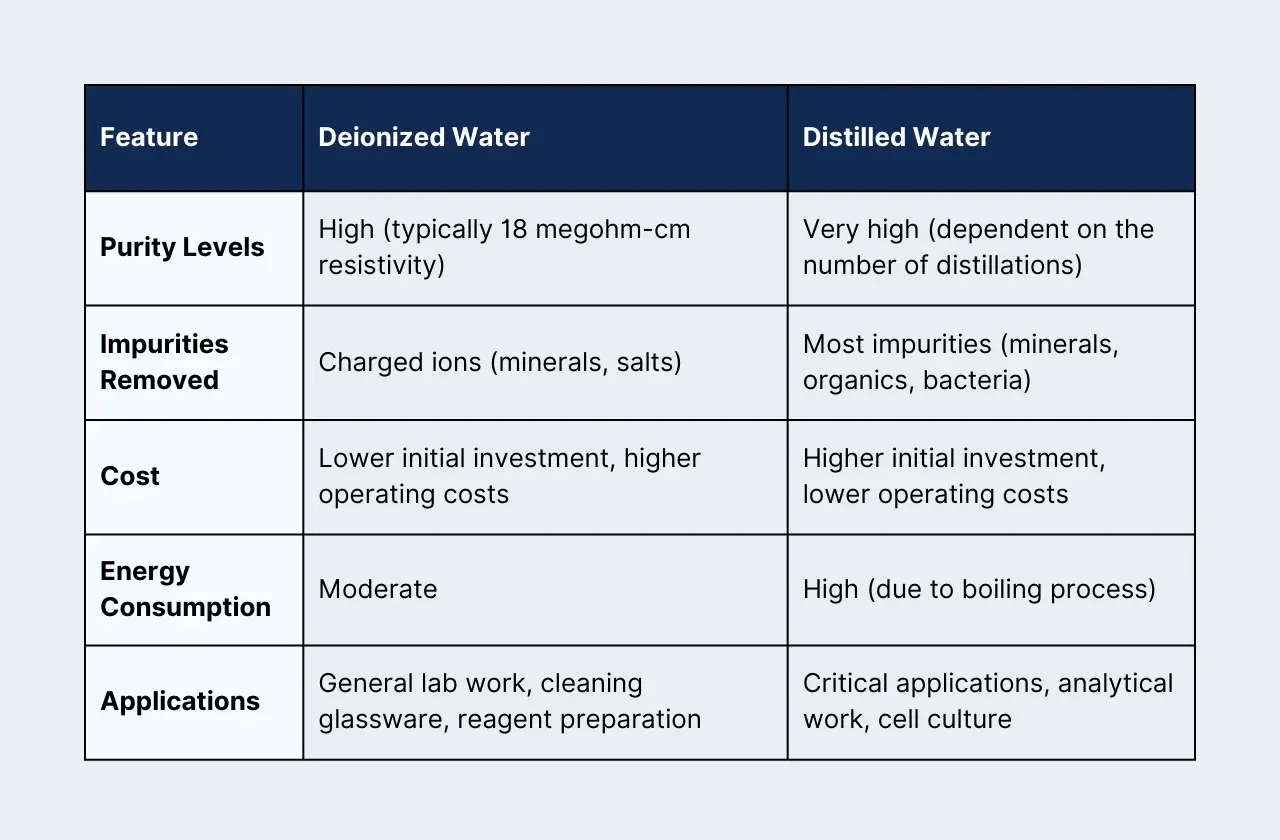
So, is deionized the same as distilled water? Absolutely not. Think of them like two different types of “super-purified” water—they both remove the junk, but they use totally different philosophies. Distilled water is like a steamy spa day for H2O, while deionized water is more like a magnetic party trick.
Distilled Water: The Grand Old Relic
Distillation is the original purifier. You boil water until it turns into steam, then catch that steam and condense it back into liquid. All the minerals, bacteria, and heavy metals get left behind in the boiling pot. It’s a brute-force method, and it’s been around for centuries—think of it as your grandmother’s cast-iron skillet: dependable and thorough.
Must Read
But here’s the catch: distillation takes a lot of energy (and time). You’re basically forcing water to do a full-on evaporation workout. The result is water that’s incredibly pure, but sometimes it can taste a little flat because all those natural minerals are gone.
Deionized Water: The High-Tech Sheriff
Deionization, on the other hand, is modern wizardry. It passes water through special resin beads that act like magnets, grabbing charged mineral ions (like calcium, magnesium, and sodium) and swapping them for harmless hydrogen and hydroxide. The water never boils—it just gets stripped of its electrical charge.
This process is scarily efficient. Deionized water can be even purer than distilled water in terms of removing dissolved solids. But here’s the twist: it doesn’t remove bacteria or viruses as reliably as distillation does. So, while both are pure, they’re pure in different ways. Fun, right?
Why Should You Care? (Spoiler: It’s Fun!)
Knowing the difference isn’t just for lab nerds—it can save you money and make you look like a genius. If you’re topping off your car’s battery, ironing clothes, or running a humidifier, distilled water is your best friend because it’s bacteria-free and won’t leave scale. But if you’re a fish tank enthusiast or a guitar owner who wants to clean strings without leaving residue, deionized water is the star—it dries spotless.
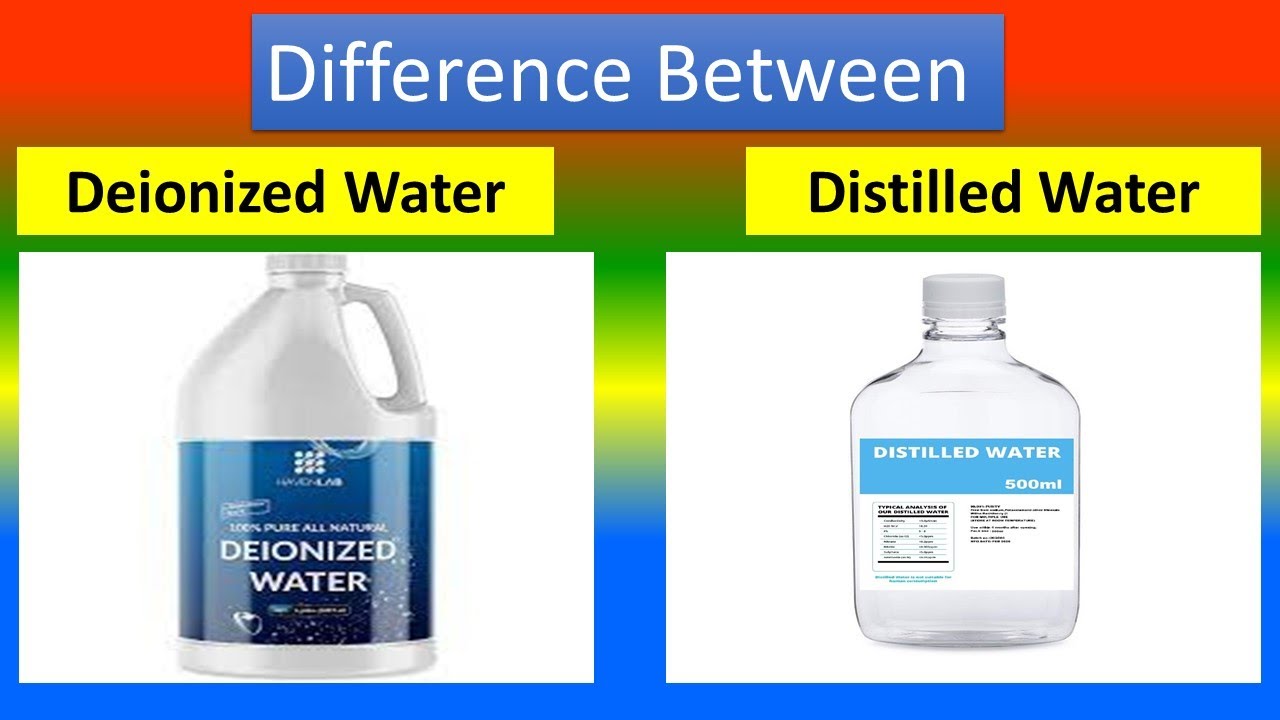 Chemical Makeup Of Distilled Water - Mugeek Vidalondon
And here’s the kicker: you can actually make your own deionized water at home with a cheap resin filter, while distilling usually requires a contraption. One feels like science class, the other feels like magic. Which one speaks to your inner mad scientist?
The Fun Zone: Unexpected Uses
Ever wondered why your coffee maker gets crusty? That’s mineral buildup—and deionized water can prevent it. Or try this: use distilled water for your houseplants once a month to avoid fluoride spots on leaves. It’s like giving your plants a luxury facial.
Want to impress your friends? Next time someone asks, “Is deionized the same as distilled water?” you can smile and say, “Nope, but both can make your car’s headlights sparkle!” (Pro tip: rinse with deionized water for a streak-free shine.)
The Uplifting Finale: Curiosity Is a Superpower
So, here we are. You started reading about two boring bottles of water, and now you know that distilled water is boiled purity and deionized water is ion-swiped clarity. But more importantly, you’ve discovered that the world is full of tiny, wonderful distinctions that make life richer.
Every time you learn something small—like this—you’re building a toolkit of wonder. You’re not just a customer at the store; you’re a detective, a curious explorer. And that curiosity? It’s what turns the ordinary into an adventure. So go ahead, grab a bottle, read the label, and smile. You now belong to a secret club of people who know that not all clear liquids are created equal. Let’s keep discovering—one question at a time!
