Do I Use Distilled Water For Baby Formula

Okay, picture this: It’s 2 AM. Your baby is screaming like a tiny, very angry siren. You stumble to the kitchen, half-asleep, grab the baby bottle, and reach for the kettle. B...

Okay, picture this: It’s 2 AM. Your baby is screaming like a tiny, very angry siren. You stumble to the kitchen, half-asleep, grab the baby bottle, and reach for the kettle. But then your hand freezes. You stare at the jug of distilled water you bought for your iron. Is this stuff safe for the baby? Or are you about to accidentally turn your little angel into a science experiment? I’ve been there, friend. My coffee was cold, and I was panicking over water.
The short answer that will save your sanity
Yes, you can use distilled water for baby formula. But—and this is a big, ironic “but”—it’s probably not the best choice for daily use. Distilled water is pure H2O—like, annoyingly pure. It’s had all its minerals boiled out of it, leaving it “hungry” for anything it can absorb. That sounds sci-fi, right?
Here’s the catch: Babies need minerals like calcium and magnesium to grow those chubby little bones. Distilled water doesn’t have them. So while it won’t poison your kid, using it exclusively might mean your formula is a bit skimpy on the good stuff. Ironically, the water that’s “perfect” for your car battery or humidifier is a little meh for a tiny human.
Must Read
Why anyone would even consider distilled water?
Great question. Some parents reach for it because tap water can contain lead, chlorine, or bacteria—especially if you live in an old house or have well water. Distilled water is sterile, so it eliminates that risk. “Safety first!” you say? I get it. But let’s be real: if you’re buying gallon jugs of distilled water just to mix formula, your wallet is going to cry.
Also, there’s a weird myth floating around that distilled water makes formula “lighter” or prevents constipation. (Spoiler: It doesn’t. That’s a corn syrup myth.) The truth is, formula already has the minerals your baby needs—distilled water just dilutes them slightly. It’s like eating a perfectly seasoned steak but drinking plain water instead of the sauce. It’s fine, but why downgrade?
What do experts actually say? (Spoiler: they roll their eyes)
The World Health Organization and most pediatricians say: use tap water if it’s safe in your area. Boil it for a minute, let it cool, and you’re golden. Boiling kills the bad guys without stripping away the good minerals. That’s the sweet spot—safe and nutritious.
But here’s where it gets fun: if your tap water is sketchy (hello, Flint, Michigan), experts recommend using low-fluoride bottled water or nursery water—not distilled. Nursery water is basically tap water that’s been purified with a bit of fluoride added. It’s the lazy parent’s best friend. “But I’m already lazy at 2 AM—just tell me what to buy!” I hear you. So buy nursery water or a simple filter pitcher for your tap.
The one scenario where distilled water wins
Alright, let’s give distilled water its moment in the spotlight. If you’re traveling to a country where the water gives you the runs just brushing your teeth, use distilled. It’s sterile and predictable. Also, for the first few weeks of a newborn’s life—especially if they were premature—some doctors recommend distilled water to avoid any risk of infection. But that’s a temporary, medical judgment call, not a lifestyle choice.
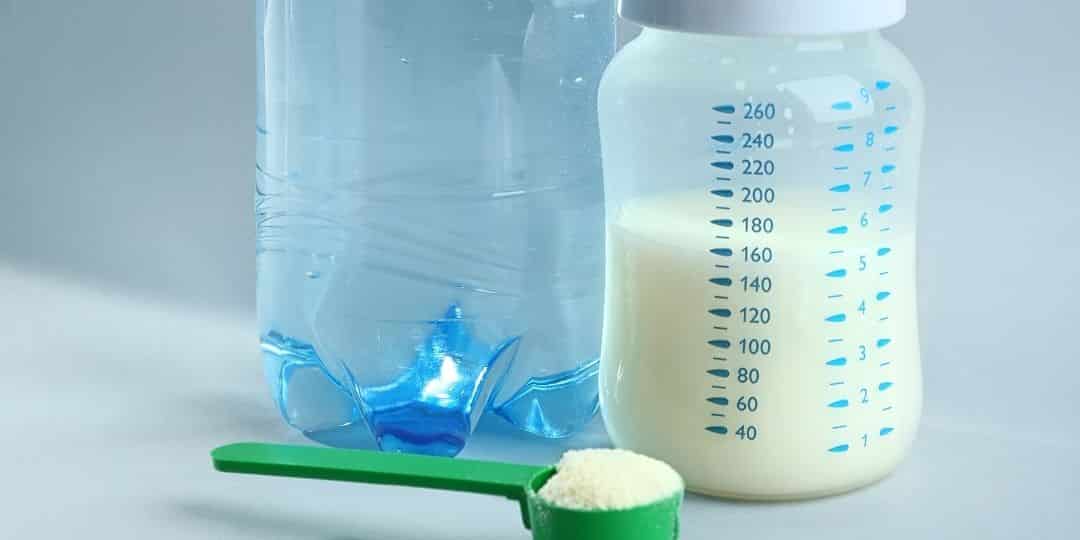 Bottled Water For Baby Formula at Danny Oneal blog
Otherwise, distilled water is like wearing a suit to mow the lawn: it works, but it’s weird. Stick to what’s practical. Your baby doesn’t need water straight from a cloud; they need consistency and minerals. Fun fact: Distilled water can even taste flat and weird to adults, so imagine that for a baby’s developing palate. Not cool, distilled. Not cool.
Let’s be honest: your baby is tougher than you think
Look, I’m not saying you’re a bad parent if you accidentally grabbed the distilled jug. I once used sparkling water for formula (don’t ask—it was a red-eye night). The baby survived, though she looked confused. The point is: consistency matters more than perfection. Pick one safe water source and stick with it. Your baby’s gut will adjust.
But if you want to be the proud owner of a thriving, chubby-legged little human, use tap water that’s been boiled and cooled, or buy low-fluoride bottled water made for babies. Distilled? Keep it for the humidifier or that fancy coffee machine you swear you’ll use someday. Your baby’s formula is not a chemistry experiment—it’s a meal. Treat it like one.
Final verdict (with a wink)
Think of distilled water as the friend who’s technically correct but no fun at parties. It’s sterile, it’s pure, and in a pinch, it’s perfectly fine. But for everyday feeding? Nah. Boil your tap water, cool it down, and get on with your life. You’ve got enough to worry about (like how to burp a baby without getting spit-up in your hair).
Now go mix that bottle, sleepy parent. And for crying out loud, keep the distilled water away from the formula cabinet. Your 2 AM self will thank you.
