Are Refrigerator Water Filters Recyclable

So, you’ve just changed your refrigerator water filter. You’re feeling virtuous, hydrated, and ready for a crisp glass of H2O. But then you stare at the old, plastic-y cylinde...
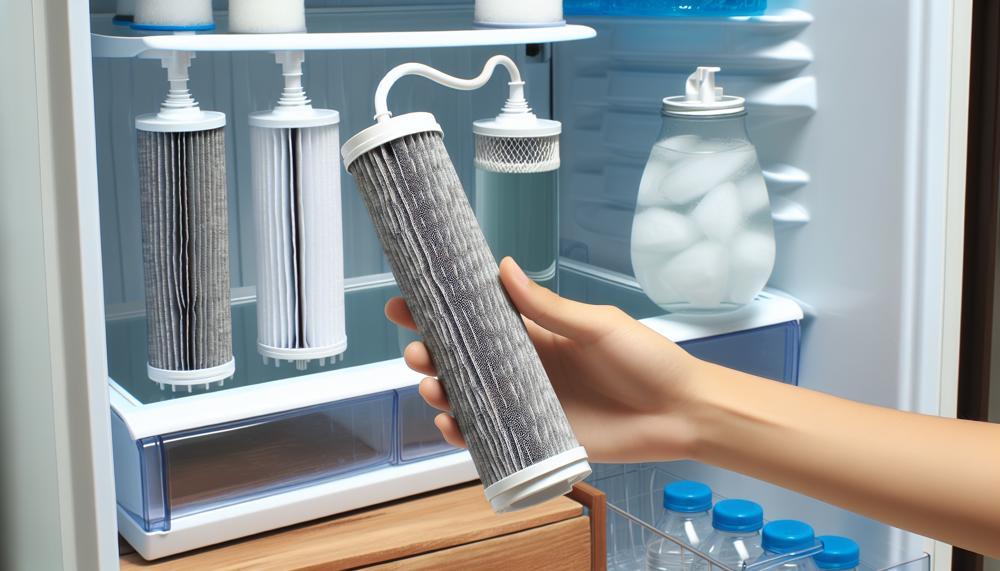
So, you’ve just changed your refrigerator water filter. You’re feeling virtuous, hydrated, and ready for a crisp glass of H2O. But then you stare at the old, plastic-y cylinder in your hand and think, “Can this go in the recycling bin?” Great question! Let’s dive into the surprisingly twisty tale of filter recycling before you toss it in the trash out of pure confusion.
The Short Answer: It’s Complicated (But Not Hopeless!)
Okay, straight talk: most standard refrigerator water filters are not curbside recyclable. I know, I know—that feels like a betrayal. They’re made of a tricky combo of plastic, metal mesh, and carbon, all glued together like a stubborn puzzle.
Your local recycling plant usually isn’t equipped to separate those layers. Tossing a filter in with your cardboard and soda cans can actually gum up the machines. It’s like throwing a wrench into a blender—not great for anyone.
Must Read
Wait, So What's Inside That Thing Anyway?
Let’s get under the hood. A typical filter is a plastic shell (usually polypropylene), a metal mesh that acts like a sieve, and a core of activated carbon (which is basically charcoal on steroids).
The carbon does all the heavy lifting, trapping chlorine, sediment, and weird tastes. But that very material makes the filter a complex, multi-material gadget. Plastic, metal, and carbon all smooshed together? Good luck sorting that by hand.
The Good News: Some Companies Are Awesome!
Here’s where the plot twists. Some filter brands, like Brita and PUR, have stepped up their game. They offer free recycling programs where you mail back your old filters, and they dismantle everything.
It usually works like this: you save up your used filters, grab a prepaid label from their website, and drop the package at a mail center. The company then melts down the plastic, recycles the steel, and finds a new life for the carbon (sometimes as concrete filler or new carbon blocks). Mic drop.
But What About Generic or Frigidaire/GE Filters?
Ah, the wild west of water filtration. If you use a generic or a brand-specific filter (like a Samsung or LG model), recycling gets trickier. These usually don’t have a mail-back program.
But don’t lose hope! Some hardware stores (like Home Depot or Lowe’s) have started pilot programs. Call ahead and ask: “Hey, do you accept old fridge filters for recycling?” They might say yes, or they might say “What are you, a water filter cult member?” But it’s worth a shot.
What NOT to Do: The Don't-Be-That-Person List
Do not toss a used filter into your curbside recycling bin just because you wish it was recyclable. This is called “wishcycling,” and it’s the recycling equivalent of a fake smile.
Wishcycling can contaminate entire batches of otherwise good recyclables. So instead, be the hero and either mail it back or throw it in the trash and weep softly for the planet.
Can I DIY Recycle It? (A Cautionary Tale)
I saw a video where someone cut open their filter with a hacksaw, rinsed the carbon down the sink, and threw the plastic in the bin. Look, I love a good DIY, but please don’t.
 How Do You Recycle Refrigerator Water Filters at James Saavedra blog
First, slicing open a plastic tube that’s been full of water and bacteria is a recipe for a mess (and a possible tetanus shot). Second, rinsing carbon down your drain is bad for plumbing. Trust me: let the professionals handle the filter autopsies.
Quick Checklist: How to Check if Your Filter is Recyclable
If you’re staring at your filter right now, follow these steps: 1. Look for a logo. Sometimes the filter or its packaging will say “Recycle” or “Mail-Back Program.”
2. Visit the brand’s website. Type in your model number. If it’s a big name, they might have a recycling partnership. If it’s a no-name brand from an online marketplace, brace yourself for bad news.
3. Call your local waste management. Ask, “Do you know of any drop-off sites for these weird little cylinders?” They might surprise you.
The Carbon Footprint of a Filter (And Why It’s Not All Doom)
Every filter you use prevents dozens of plastic water bottles from ending up in the ocean. So even if the filter itself ends up in a landfill, you are still a net-positive environmental superhero.
Think of it this way: one filter replaces about 300 single-use bottles. That’s a whole lot of turtle-saving for one little cylinder. So pat yourself on the back.
A Funny Thought Experiment
Imagine if your fridge filter could talk. It would say, “Hey, I spent months cleaning your water, removing lead and chlorine, and now you’re worried about my afterlife? That’s so sweet.”
It’s like a loyal butler who, after serving you perfectly chilled water, asks for a dignified farewell. The least we can do is try to find him a nice recycling home.
The Uplifting Conclusion (I Promised!)
Look, the recycling journey for a fridge filter is not perfect yet. It’s a bit like trying to parallel park a spaceship—awkward, messy, and sometimes you just give up. But here’s the bright side: every time you choose a reusable filter over bottled water, you win.
The fact that you’re even thinking about recycling shows you care. And caring is the first step to changing the world. So keep drinking that delicious filtered water, enjoy your hydration, and remember: you’re doing better than you think. Even if your filter ends up in a landfill, it’s a hero that saved a million tiny plastic bottles from a worse fate. Cheers to that—and don’t forget to smile when you refill your glass.
