How Do Humans Impact The Hydrologic Cycle

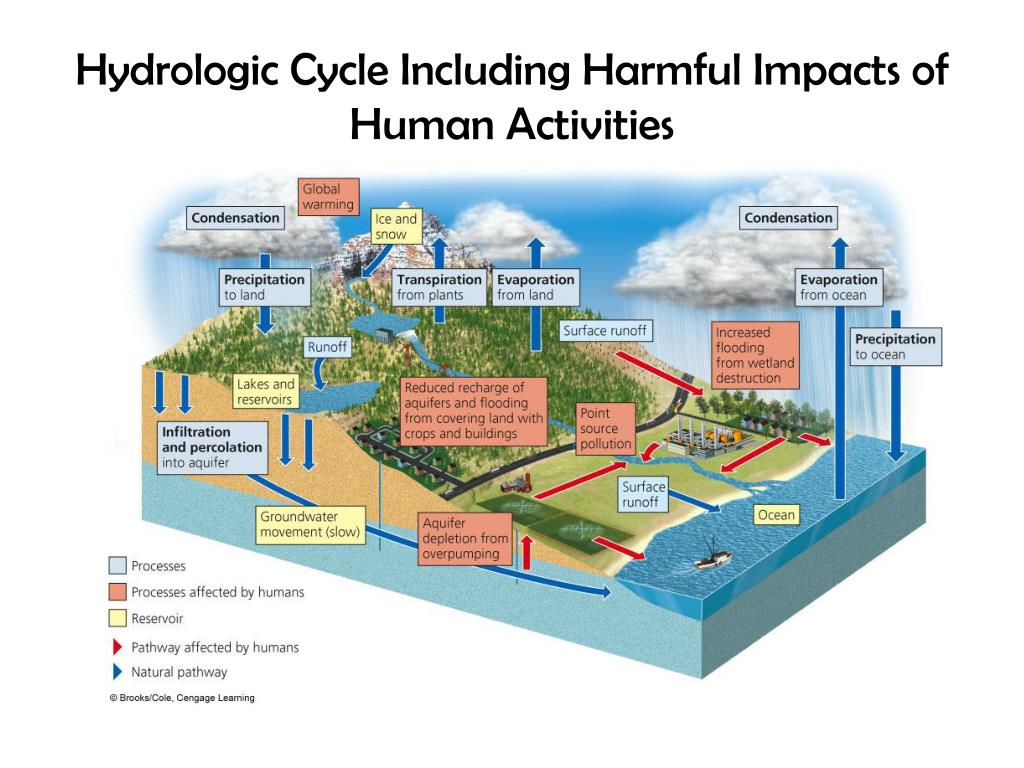
Picture this: the Earth’s water cycle is like a giant, ancient washing machine—evaporation, condensation, precipitation, repeat. For billions of years, it hummed along just fi...

Picture this: the Earth’s water cycle is like a giant, ancient washing machine—evaporation, condensation, precipitation, repeat. For billions of years, it hummed along just fine, powered by the sun. Then we showed up, and let’s just say we’ve been tossing in the wrong settings and overloading the drum.
The Great Paving-Over of Planet Earth
We love concrete. We really love concrete. We’ve paved over so much of the planet that rainwater now has nowhere to go but straight into storm drains, creating flash floods in cities that used to just soak into the ground.
This is called “urban runoff,” and it’s like turning your neighborhood into a giant water slide—fun for five minutes, terrible for your basement. When we pave over wetlands, we’re stealing the planet’s kidneys; wetlands normally filter and store water for months.
Must Read
Instead, that water now rushes into rivers so fast that fish get dizzy. Seriously, some salmon have started asking for GPS just to find their spawning grounds.
We’re Basically Cloud Con Artists
You know how you leave a sprinkler on too long and your lawn turns into a swamp? Well, we’ve done that to entire continents with irrigation. We pull water from rivers and aquifers to grow almonds in the desert and corn in places that used to be plains.
Here’s the punchline: when we spray that water onto crops, a huge chunk evaporates right back into the sky. That means we’re literally manufacturing clouds in areas where rain wasn’t supposed to fall.
In some cases, this “irrigation effect” has increased rainfall downwind by up to 30%. So yes, your salad is partially responsible for thunderstorms in Kansas. You’re welcome, Kansas.
The Dammed Truth
We love dams. We slap them on rivers like Band-Aids made of concrete, hoping to control floods and generate power. But here’s a wild fact: human-made reservoirs now hold three times more water than all the world’s rivers combined.
That’s like parking a giant water tank on the mouth of a straw and wondering why the soda doesn’t flow. Reservoirs evaporate massive amounts of water because they’re shallow and exposed to the sun—far more than a free-flowing river ever would.
And don’t get me started on the sediment. Dams trap the silt that rivers need to build deltas, so instead of building land, we’re starving it. The Mississippi River delta is basically on life support because we’ve dammed its dirt supply.
Fracking: Shaking Up the Water Table
Oh, you thought we were done? Enter hydraulic fracturing, or “fracking.” We shoot a cocktail of water, sand, and chemicals deep into the earth to crack open rocks for gas. Each frack job uses millions of gallons of water—water that then becomes too toxic to return to the cycle.
 PPT - Introduction to Environmental Science PowerPoint Presentation
That water is injected so deep it’s effectively removed from the hydrologic cycle for millennia. Imagine checking a book out of the library to read one page, then burying it in a volcano. That’s us.
Meanwhile, some of this polluted water seeps back up through old well casings, ending up in drinking water aquifers. It’s like if your roommate borrowed your toothbrush, dipped it in motor oil, and then put it back in the cup holder.
Climate Change: The Super Grandma Who Forgot the Recipe
But the granddaddy of them all is climate change. We’re heating up the atmosphere, which means the atmosphere can hold more water vapor, like a jealous sponge that hogs all the moisture. This supercharges both droughts and floods.
Warmer air evaporates more water from the oceans, leading to “atmospheric rivers” that dump a year’s worth of rain in a week. Then those same air currents travel inland, suck the soil dry, and leave farmers staring at cracked earth and sad sunflowers.
Fun fact: for every 1°C of warming, the atmosphere holds 7% more water. So we’re basically giving the sky a bigger bucket and telling it to party harder. Guess who mops up?
What Can We Actually Do? (Besides Panic)
Good news: we can fix some of this. Rain gardens (basically a fancy hole with plants) can soak up runoff like a fluffy towel. Permeable pavement lets water kiss the ground instead of sliding into sewers.
We can also stop wasting so much water. The average American uses 80–100 gallons a day. A leaky faucet? That’s 2,700 gallons a year just dripping away. Fix it and you’re basically a hydrologic hero.
And finally, eat less guilt. I’m kidding—eat less water-intensive foods. One pound of beef takes about 1,800 gallons of water to produce. A pound of potatoes? 100 gallons. Every bite is a vote in the water cycle election.
So here we are, crashing the ancient water party with our dams, lawns, and leaky faucets. But the cycle is resilient. If we stop treating it like a toilet and start treating it like a closed-loop system, we might just keep it spinning for the next billion years. Now, who’s up for a rain dance? We owe the clouds one.
