Under Sink Water Filter Installation Cost

The first time I seriously considered an under-sink water filter, it was because my tap water smelled faintly of a swimming pool. Not the fun, chlorinated kind either, but the...
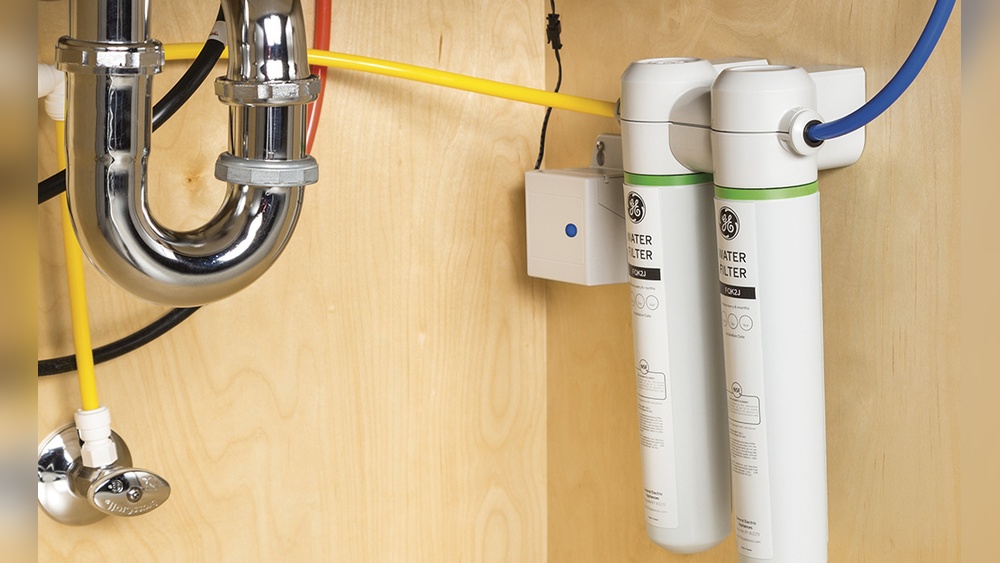
The first time I seriously considered an under-sink water filter, it was because my tap water smelled faintly of a swimming pool. Not the fun, chlorinated kind either, but the sad, neglected kiddie pool in August. I stood there, glass in hand, wondering how much dignity (and cash) I’d have to sacrifice to fix it.
That’s when the real question hit me: How much does this actually cost? Not just the shiny box on Amazon, but the whole, messy, plumber-might-laugh-at-me reality. Buckle up, because the range is wider than your uncle’s collection of conspiracy theories.
The Kit Itself: The Price of "Better" Water
You can grab a basic under-sink filter for about $50. It’s the “I’ll try anything once” model, usually with a single carbon cartridge. It will definitely remove the pool smell, but don’t expect it to remove heavy metals.
Must Read
Mid-range units, the kind that actually target lead or chlorine byproducts, land between $150 and $350. These often have multiple stages (sediment + carbon + a fancy name like “KDF”).
On the high end, you’re looking at $500 to $1,000+. We’re talking reverse osmosis systems with tanks, dedicated faucets, and enough filters to make a chemistry professor jealous. Yes, your wallet will weep, but your tongue will rejoice.
Installation: The "Sweat Equity" Tax
If you’re handy and the universe hasn’t designed your sink pipes to be a sadistic puzzle, DIY installation costs you $0 in labor. Just your time and maybe a few curse words when you drop a washer.
Most under-sink filters are designed to be “plug-and-play.” You might need a drill for the faucet hole (if you’re adding a dedicated tap), but the actual tubing is color-coded. It’s adult LEGOs, with water pressure involved.
But if you call a plumber? Expect to pay $150 to $400 just for them to show up, wiggle some pipes, and test it. That’s before the rare emergency call, which can jump to $800 if they find a rusted valve. Pro tip: Plumbers are wizards, but wizards charge by the hour.
The Invisible Costs: What Nobody Tells You
Here’s the kicker: replacement filters. That $50 starter kit? The cartridges might cost you $40 every six months. Over three years, you’ve spent more on refills than the unit itself. Classic bait-and-switch.
High-end systems often have filters that last a full year, but they hit you for $80 to $150 per replacement set. It’s like owning a printer: the hardware is cheap, the ink is a hostage situation.
Then there’s the dedicated faucet. Many filter kits include a cheap chrome one, but if you want something that doesn’t look like it belongs on a 1998 RV, that’s another $50 to $150. Aesthetics have a price, my friend.
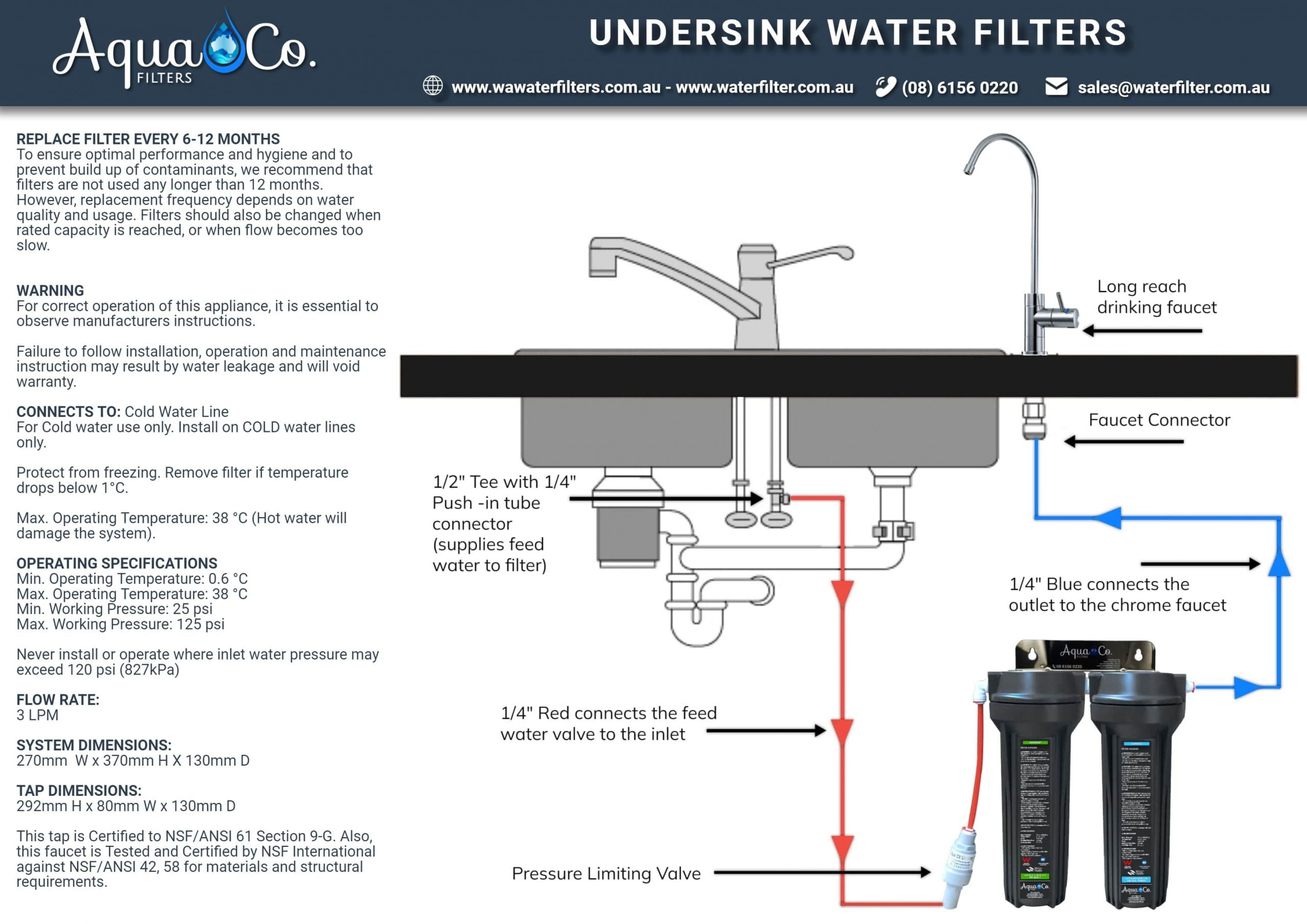 Triple Undersink With Sediment Fluoride and Disruptor Filters
The "Hidden" Bonus: Your Water Bill (And Sanity)
Filters waste a tiny amount of water during backflushing, but reverse osmosis systems are the real villains. They can dump three to five gallons of water for every gallon they clean. If you live somewhere with expensive water, that’s a silent drip on your bank account.
Of course, you also gain the peace of mind that your morning coffee isn’t brewed with whatever the city pipes decided to shed that week. Can you put a price on not tasting lead? Apparently, yes. It’s between $150 and $1,500.
Real-World Math: Three Scenarios
Scenario A: The Cheapskate
You buy a $70 basic filter and install it yourself. First year cost: $110 ($70 unit + $40 for extra filter replacements). Second year: just the $40 refills. Your water tastes fine. You feel smug.
Scenario B: The Mid-Range Dreamer
You get a $250 3-stage system, pay a plumber $200 to install it (because you value your knuckles), and buy a nice $100 faucet. First year: $550. Refills are $70/year. You now tell all your friends about your water’s “mineral balance.”
Scenario C: The Filtration Enthusiast
You go full reverse osmosis, costing $800 for the system, $350 for installation, and $150 for a designer faucet. First year: $1,300. Annual refills: $120. You test your water weekly. You are now the neighborhood water guru.
The Verdict: Should You Do It?
If your tap water tastes like a public pool or smells like a damp basement, yes, definitely do it. A $70 filter is cheaper than a lifetime of bottled water, and plastic bottles are the enemy of the planet and your wallet.
Just don’t be fooled by the ”only $99” headline. Read the fine print on filter life. Ask if it actually removes the contaminant you’re worried about (lead, chlorine, PFAS). And if you can’t tell a P-trap from a potato, budget for that plumber.
In the end, I spent $185 on a mid-range system, installed it myself while watching a YouTube video that made it look easy (it wasn’t, but I succeeded), and now my water tastes like… nothing. Which, for tap water, is honestly a miracle. Your mileage—and your wallet’s mileage—will vary, but at least now you know the real price of clarity.
