What Hardness Level To Set Water Softener

Picture this: you step out of the shower feeling squeaky clean. But your skin feels like sandpaper, and your hair looks like a fright wig. That’s not a spa day; that’s hard wa...
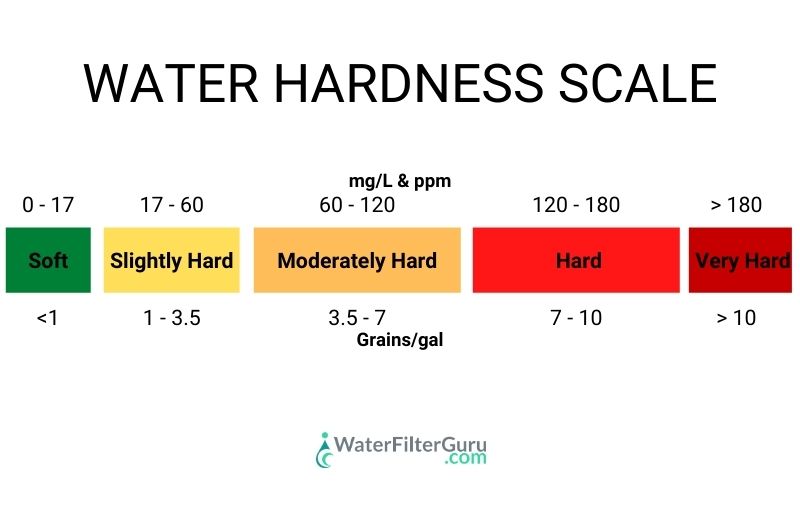
Picture this: you step out of the shower feeling squeaky clean. But your skin feels like sandpaper, and your hair looks like a fright wig. That’s not a spa day; that’s hard water playing a cruel joke on you.
Hard water is basically liquid chalk. It’s packed with calcium and magnesium, two minerals that love to cling to your pipes. They also love to ruin your soap and leave grumpy white spots on your dishes.
Your water softener is the hero here. It swaps those rock-hard minerals for soft, friendly sodium. But punch in the wrong hardness setting, and your hero becomes a zero.
Must Read
So, what hardness level do you set? It’s not a guessing game. You need to test your water first. Get a simple kit at any hardware store—it’s cheaper than a fancy coffee.
Most homes land between 10 to 20 grains per gallon (GPG). That’s the sweet spot. But here’s the kicker: if your test says 15 GPG, don’t just type in “15.” That’s rookie stuff.
The Secret Ingredient You’re Missing
Do you have iron in your water? It’s that rusty stain in your toilet bowl. Iron is a sneaky troublemaker that laughs at softener settings.
For iron, add 3 to 5 GPG to your hardness number. So if your water is 15 GPG hard and has rusty red vibes, dial it up to 18 or 20. Your softener will thank you.
Fun fact: a single grain of iron is like a tiny monster. It takes ten times more salt to remove than the same grain of calcium. No wonder your dishes look sad.
The Too Low Trap
Set it too low, and your softener gets lazy. You’ll still get soap scum. Your showerhead will clog with white gunk. And your skin? Back to sandpaper city.
It’s like wearing a raincoat in a drizzle—pointless. Your softener won’t regenerate enough, and you’ll burn through salt anyway. Waste of money.
The Too High Mess
Crank it too high, and you’re a salt hog. Your softener regenerates every three days instead of once a week. That’s like buying a truck to move a couch—overkill.
Too much salt can make your water taste slightly salty. Gross. It can also over-soften, leaving your pipes weirdly slippery and wasting tons of water.
There’s a quirky catch: over-softened water might raise your sodium intake. If you’re on a low-salt diet, talk to your doctor. Or get a reverse osmosis system for drinking water.
But Wait—What About Family Size?
More people mean more showers, laundry, and dishwashing. Your softener needs to regenerate more often. It’s like a house party—more guests, more bar trips.
Most softeners have a capacity setting. This isn’t hardness—it’s how much water your household uses daily. If you have four people, you’ll need higher capacity.
A simple rule: count bedrins. One person uses about 80 gallons per day. For a family of four, that’s 320 gallons. Set your softener’s capacity to match.
Here’s a funny truth: the default factory setting is often wrong. Companies guess you have 20 GPG. Many homes have 12. Your softener is lying to you.
The Digital Age Fix
Modern softeners have smart settings. Some read water flow and automatically adjust. But old-school models? You’re the brain.
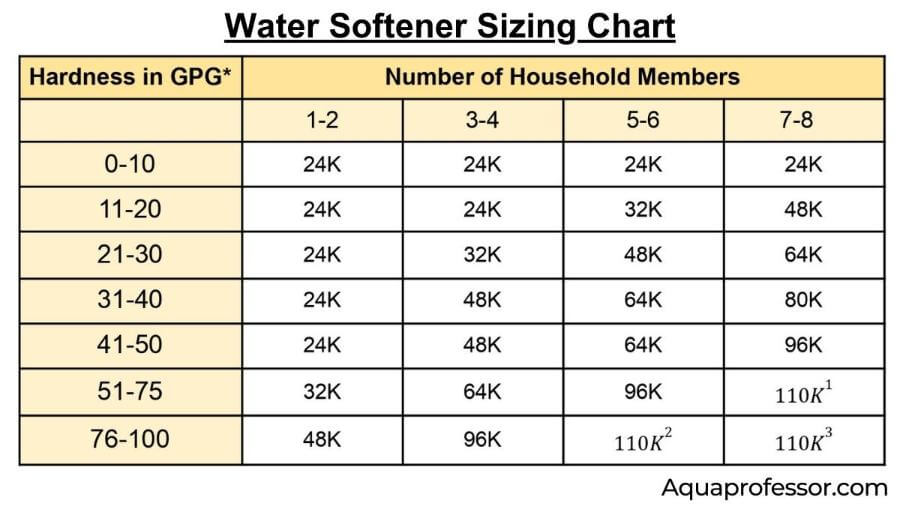 Water Softener Hardness Chart at Arnold Peete blog
Look for a dial labeled “hardness” or “GPG.” It’s usually behind a little door. If you lose the manual, just Google the model number—someone else already solved this puzzle.
One weird trick: set it 2 GPG higher than your test result. This accounts for variations—like if your municipality changes water sources seasonally. It’s a safety net.
The Perfect Number Is a Moving Target
Your water hardness can change with the seasons. Spring rains flush minerals into groundwater. Summer droughts concentrate them. Test your water twice a year.
January and July are great months to test. Write the number on a sticky note. Stick it on your softener. It’s your water’s horoscope.
If you have well water, it’s even wilder. One day it’s pure, next day it’s a mineral soup. Test monthly until you see a pattern. Become a water detective.
Here’s a hilarious fact: some people buy softeners and never set the hardness. They just hit “start.” That’s like cooking a steak without checking the heat—you get a disaster.
The Brine Tank Lineup
Don’t forget salt level. If your brine tank runs low, your softener can’t regenerate even with perfect settings. A half-empty tank is like a car with no gas.
Keep salt above the water level. Check it every two weeks. It’s the gym membership for your softener—small effort, big results.
Pro tip: use pellet salt for fewest problems. Solar salt is cheaper but leaves sludge. Rock salt? Only if you like cleaning your tank with a chisel. Trust me, it’s not fun.
Why This Is Actually Fun
Dialing in the right hardness is a little science experiment. You’re a water wizard. You’re commanding minerals to behave.
Test your water. Adjust the dial. Wait a week. Does your skin feel smoother? Are your glasses sparkly? That’s your gold star. You did it.
The wrong setting means wasted salt, energy, and money. The right one saves you tons—literally. Plus, you avoid the “shower smell” that hard water leaves. Your
bathroom will smell like a proper spa, not a chemistry lab.
So grab a test kit. Pop open your softener’s panel. Turn that dial with confidence. You’ve got this.
And if you screw it up? No worries. Just flush some water, adjust again, and laugh. Your pipes survived limescale for years—they can handle your learning curve.
Now go set that hardness level. Your soapsuds will thank you. Your hair will do a happy dance. And your dishes? They’ll shine like they’ve never cried about spots before.
