How Long For Water Softener To Regenerate

So, picture this: It’s 6 AM, and I’m shuffling into the kitchen, half-asleep, craving that first scorching hit of coffee. I fill the kettle, flip the switch, and wait. Five mi...

So, picture this: It’s 6 AM, and I’m shuffling into the kitchen, half-asleep, craving that first scorching hit of coffee. I fill the kettle, flip the switch, and wait. Five minutes pass. Nothing. The kettle is silent, cold, and smug. Then it hits me—my water softener is on strike, deep in its regeneration cycle, and I’m about to face an entire day of hard water chaos.
If you’ve ever been ambushed by a regenerating softener, you know the panic. It’s like your house suddenly decides to take a spa day without telling you. The good news? This isn’t some random breakdown—it’s your system working hard to keep your water silky. The big question is: how long does this secret mission actually take?
The Short Answer (Because We All Want It Now)
Most standard water softeners take about 90 minutes to two hours to complete a full regeneration cycle. Yes, you read that right—two hours of your water feeling like a grumpy teenager who refuses to share the Wi-Fi. But hang on, because the exact time depends on a few sneaky variables.
Must Read
Some high-efficiency models can zip through in 45 minutes, while older or larger units might drag it out to three hours. It’s like comparing a sports car to a minivan—both get you there, but one takes the scenic route through brine tankville. (And no, you don’t get a say in the playlist.)
What Actually Happens During Regeneration? (A Brief Nerd-Out)
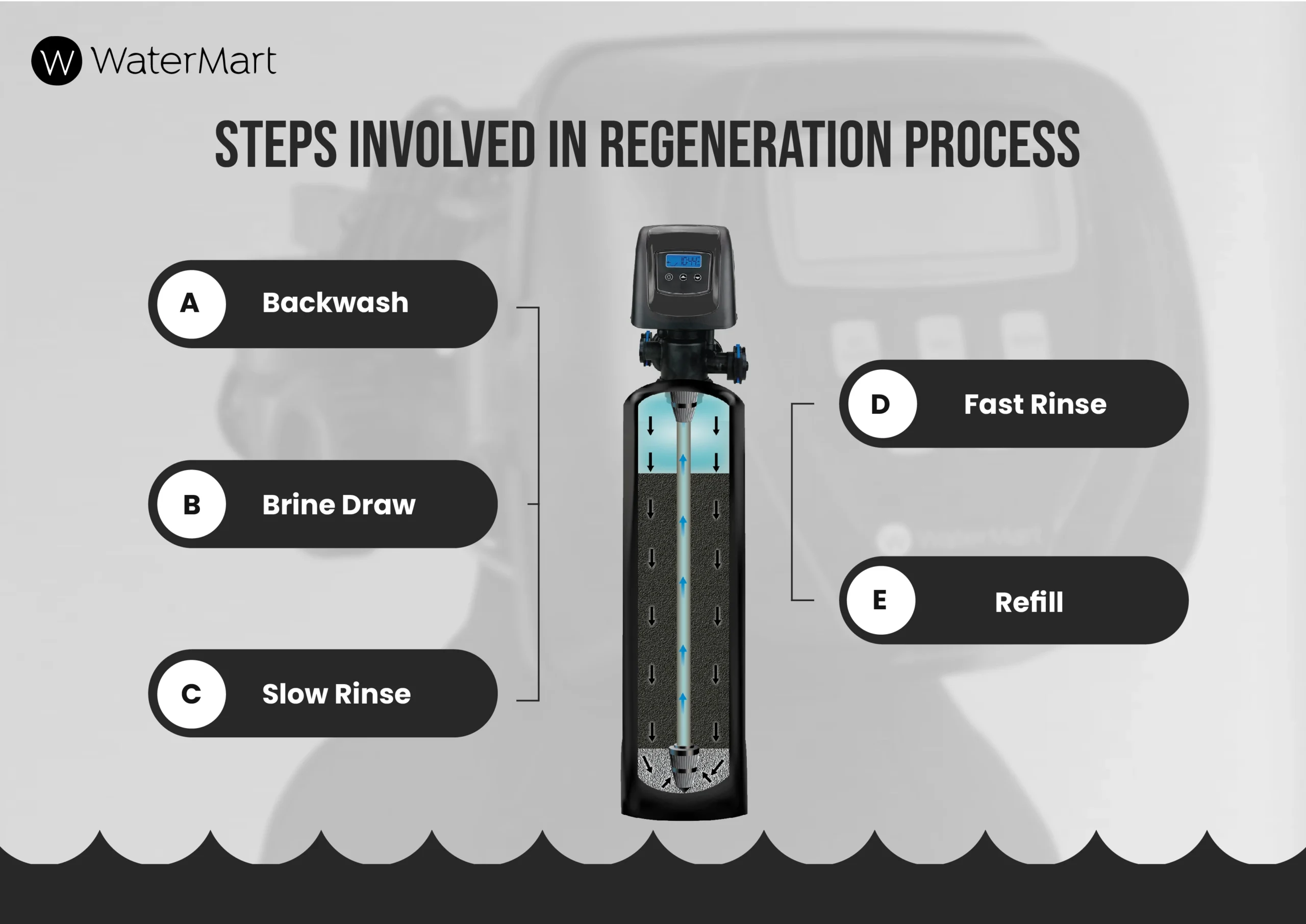
During regeneration, your softener flushes out all the hardness minerals it captured (calcium and magnesium) and recharges with fresh sodium from the salt tank. Think of it as your softener taking a detox bath after a hard week of fighting limescale grime.
The cycle has four steps: backwash, brine draw, slow rinse, and fast rinse. Backwash loosens the dirt (about 10–15 minutes). Brine draw sucks saltwater into the resin tank (20–60 minutes, and this is the hangry part). Then slow rinse pushes the brine out (30–60 minutes), and finally fast rinse finishes the job (10–15 minutes).
If your system is clocking in at three hours, it’s probably stuck on the brine draw step. That’s when you feel like your water is personally mocking your morning routine—ironically, right when you need a shower most.
Why Is My Softener Taking Forever? (A Little Blame Game)
Your softener’s regeneration time can stretch if it’s older, larger, or if your water is harder than a physics exam. A unit meant for a family of six will naturally take longer to recharge than a tiny apartment model. More resin beads = more time to clean them.
Also, check your timer settings—some softeners are programmed to regenerate at 2 AM, but if you changed the clock wrong, it might start at 6 AM, right when you’re making toast. Classic move, right? (Don’t worry, I’ve done it too, and my kettle still gives me side-eye.)
The “I’m Not Waiting That Long” Fixes
If you’re staring at a regenerating softener and crying over your unsalted oatmeal, you can actually bypass it. Most systems have a bypass valve that lets water flow without treatment. It’s a temporary hack—your water will be hard again, but at least you can brush your teeth without a five-hour delay.
 What Is Water Softener Regeneration - Process And Its Types
Another pro tip? Schedule regeneration for 3 AM when everyone’s asleep. Done. You’ll wake up to soft water and zero drama. (Unless you have a toddler who wakes up at 4 AM—then all bets are off.)
What About “On-Demand” Softeners? (Fancy Tech, But Still Slow)
Newer on-demand or metered softeners regenerate based on actual water usage, not a fixed timer. They can start whenever they sense you’ve used enough water to deplete the resin. That means regeneration could hit at any hour—even during your Netflix binge.
But here’s the irony: these smart units often complete the cycle faster because they’re more efficient. You might get a 45-minute regeneration instead of two hours, but the trade-off is unpredictability. It’s like having a robot butler who only refills the wine when you’re not looking.
So, How Long Should You Really Expect to Wait?
In practice, most homeowners see the full cycle take about 90 minutes. If your system is consistently clocking over two hours, you might have a clogged injector or low water pressure. Or maybe your salt is clumping like old flour—check that too.
For a quick sanity check: turn off the water softener, wait five minutes, then turn it back on. Sometimes it just needs a digital “calm down” reboot. (Works on humans too, I’m told.)
The Takeaway (No Joke)
Your water softener regenerates for one to two hours on average. That’s it. Don’t panic if you catch it red-handed—just grab a bottle of water from the fridge (or use the bypass valve) and let the beast do its thing. It’s not personal; it’s plumbing.
And next time your kettle won’t boil, remember: at least your laundry will feel amazing tomorrow. You’re welcome.
