Distilled Water And Pure Water Difference

You’ve probably stared at the water aisle in the grocery store, feeling like you need a chemistry degree just to pick a bottle. Distilled, purified, spring, alkaline—it’s enou...
You’ve probably stared at the water aisle in the grocery store, feeling like you need a chemistry degree just to pick a bottle. Distilled, purified, spring, alkaline—it’s enough to make you miss the good old days of drinking from a garden hose. Let’s be honest, most of us just grab whatever’s on sale and hope it doesn’t taste like plastic. But the real head-scratcher is the distilled water vs. pure water debate, which sounds like a trick question from a trivia night.
What’s the deal with “pure” water anyway?
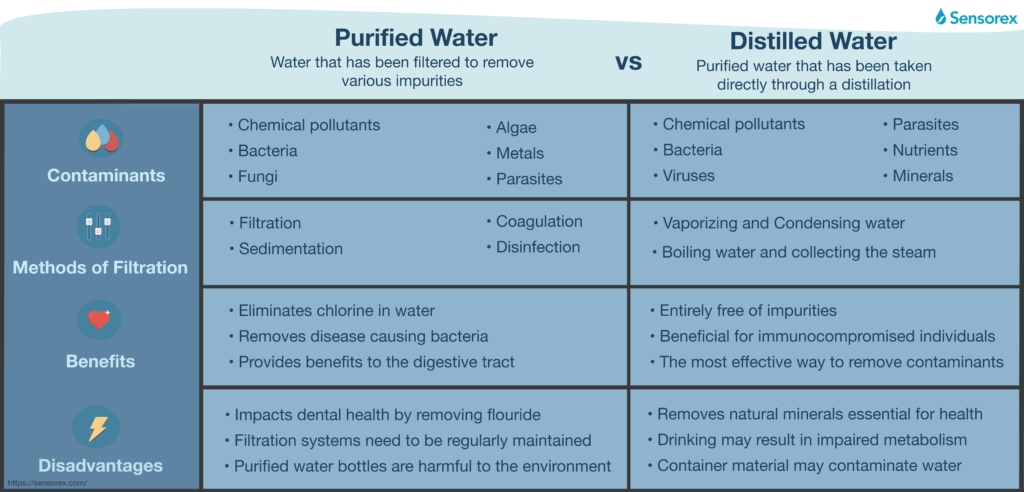
Here’s the kicker: all distilled water is pure, but not all pure water is distilled. It’s like saying all thumbs are fingers, but good luck texting with your pinky. “Pure water” is a broad term for water that’s been stripped of impurities—like minerals, chlorine, or that weird floaty thing you never identify. Distillation is just one method to get there, and it’s the drama queen of the water-purification world.
Imagine boiling a pot of water and catching the steam. That steam condenses back into liquid, leaving behind all the gunk—calcium, lead, even that dust from your counter. That’s distilled water: the supermodel of H2O, pristine but a little high-maintenance. It’s been through a full spa treatment, but it’s so pure it’s actually hungry for minerals. That’s right; it’ll leach them from your pipes or even your coffee maker if you let it.
Must Read
How distilled water throws a party (and why your plants don’t RSVP)
I once tried watering my basil with distilled water because I thought I was being fancy. The plant looked at me like I’d served it a glass of nothing. Plants need trace minerals to thrive, and distilled water is basically the air guitar of hydration—all performance, no substance. Meanwhile, your fridge’s filtered water (a type of pure water) leaves those good minerals in, so your fern doesn’t file a complaint.
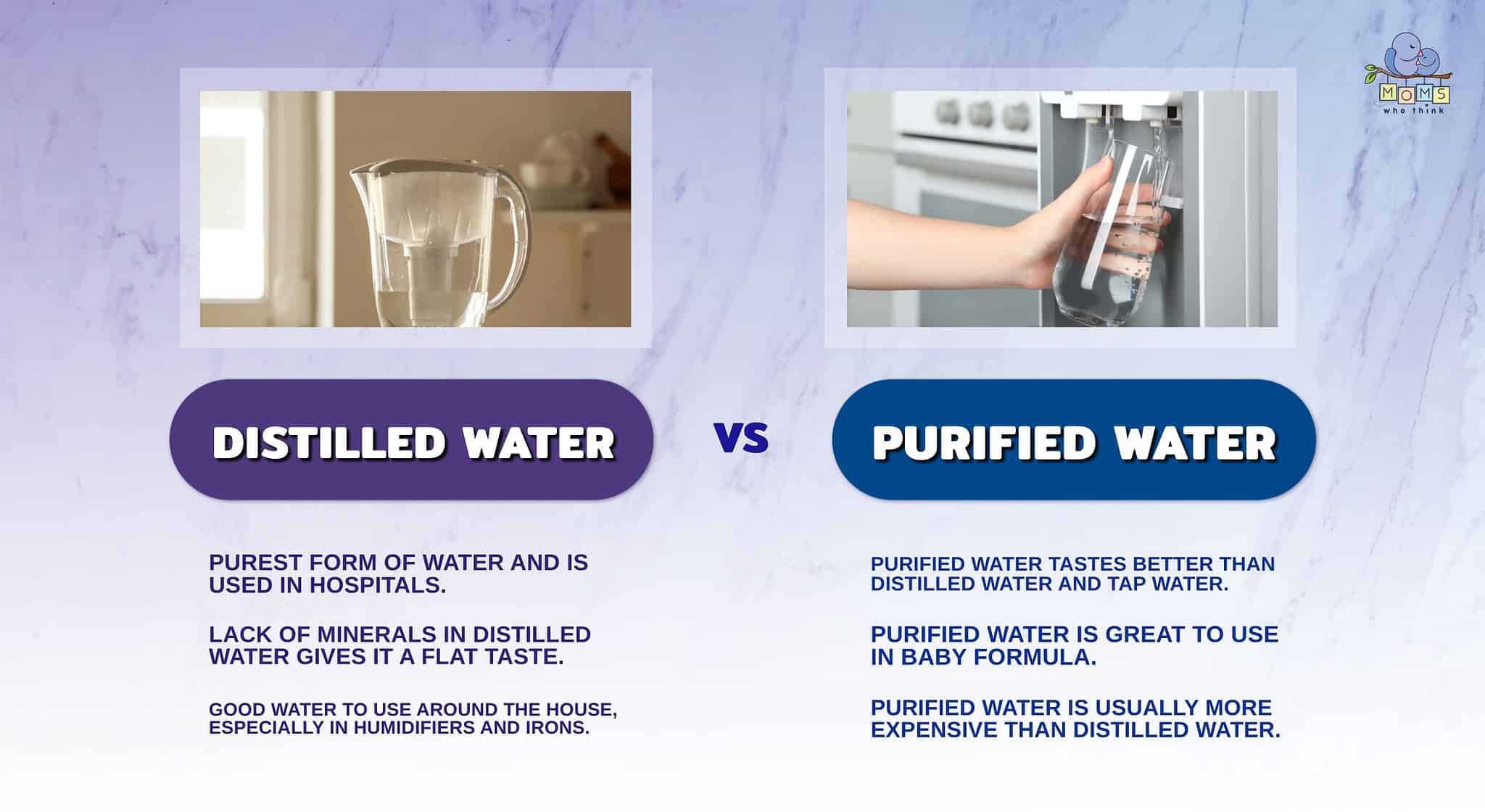
Distilled water shines in your iron, CPAP machine, or car battery—anywhere that scale buildup is a nightmare. It’s the neat freak friend who vacuums your couch cushions without asking. But for drinking? It tastes flat, like someone sucked the personality out of the water. You’ll find yourself craving that tiny hint of calcium or magnesium that makes tap water feel alive.
Pure water: the chill cousin who brings snacks
Most “pure water” you buy is filtered, deionized, or reverse-osmosed. It’s been through a less dramatic process—no boiling, no steam, just a good scrubbing. It removes harmful stuff like pesticides and bacteria but keeps the minerals that make water taste like, well, water. Think of it as the everyday hero: reliable, affordable, and present at every cookout.
I remember a road trip where my buddy insisted on buying a gallon of distilled water because “it’s the purest.” Ten miles in, we were both grimacing, trying to pretend it was fine. It wasn’t fine. It was like drinking a ghost’s sweat. We ended up stopping at a gas station for a regular bottle of “purified” water, which cost less and tasted like a vacation. Lesson learned: pure doesn’t mean better for your taste buds.
 Distilled vs. Purified Water: 4 Differences & Health Benefits
When they swap roles (like a sitcom plot twist)
Here’s where it gets funny: if you leave a glass of distilled water out, it will actually absorb carbon dioxide from the air and become slightly acidic. So that “perfect” water starts turning into a bit of a sourpuss. Meanwhile, a glass of purified water with minerals will just sit there, minding its own business, maybe growing a little dust but still tasting decent. It’s like the high school quarterback who peaked early vs. the reliable friend who shows up for moving day.
And don’t get me started on the price. Distilled water often costs more because it’s energy-intensive to make—all that boiling takes gas or electricity. Your money is literally going up in steam. Purified water is cheaper, easier to produce, and doesn’t require a chemistry lesson to explain. If water were a band, distilled would be the avant-garde jazz that critics love but nobody listens to, while pure water is the top 40 hit you unironically bop to.
The verdict: pick your water, but don’t overthink it
For daily drinking, stick with purified water from a reputable brand or your own filter. It’s safe, tasty, and won’t make your coffee taste like a blank stare. Reserve distilled water for appliances that hate scale: your humidifier, your steam mop, and that one gadget from your aunt that was a weird wedding gift. Your body actually needs trace minerals, so drinking only distilled water long-term is like eating plain pasta forever—you’ll survive, but you won’t be happy.
So next time you’re in the aisle, just remember: distilled water is the overachiever who redoes your spreadsheet, and pure water is the buddy who brings pizza to the meeting. Both get the job done, but only one makes you smile. Pick your hydration hero, and maybe—just this once—give the distilled water a pass for your morning glass.
