Is It Okay To Reuse Plastic Water Bottles

We’ve all been there. You finish a bottle of water, and instead of tossing it in the recycling bin, you stare at it like it’s a new best friend. “One more use,” you whisper, g...
We’ve all been there. You finish a bottle of water, and instead of tossing it in the recycling bin, you stare at it like it’s a new best friend. “One more use,” you whisper, giving it a little rinse.
It’s like that old t-shirt you refuse to throw away—it’s a bit thin, maybe even a little sad, but it’s comfortable. Let’s be honest, half the thrill of reusing a bottle is the smug feeling of saving the planet one crushed sip at a time.
The Great Plastic Debate
The short answer is: it depends, but mostly on you and that bottle’s life story. If you’re using a clear, single-use bottle like the kind from the gym or your desk drawer, you’re playing a risky game of chemical roulette.
Must Read
These bottles are made from polyethylene terephthalate, or PET. They’re like the paper plates of the beverage world—designed for one glorious outing, then retirement. The real trouble starts when you leave it in a hot car; that’s when tiny chemicals can leach into your water, making it taste like a plastic alien’s armpit.
But if you’re just refilling it at your desk for a day or two? You’re probably fine. Just don’t make it your long-term “companion bottle” like that one friend who still uses a Nokia phone.
The Germ Factor (It’s Grosser Than You Think)
Here’s the part that will make you put down your bottle: bacteria love dark, wet places. Your mouth introduces germs, and then that bottle sits in your warm car or gym bag for hours, creating a microscopic rave in there.
I once found a bottle under my car seat that I’d been “reusing” for a week. When I opened it, something smelled like a forgotten gym sock. I legitimately considered if the water was now a sentient being. A single-use bottle has tiny cracks where bacteria can hide, laughing at your soapy scrub.
If you’re going to reuse it, wash it with hot, soapy water every single day. And by “wash,” I don’t mean a quick swoosh. I mean a full-blown, "I-just-ate-spaghetti" scrub. Otherwise, you’re just drinking yesterday’s ick.
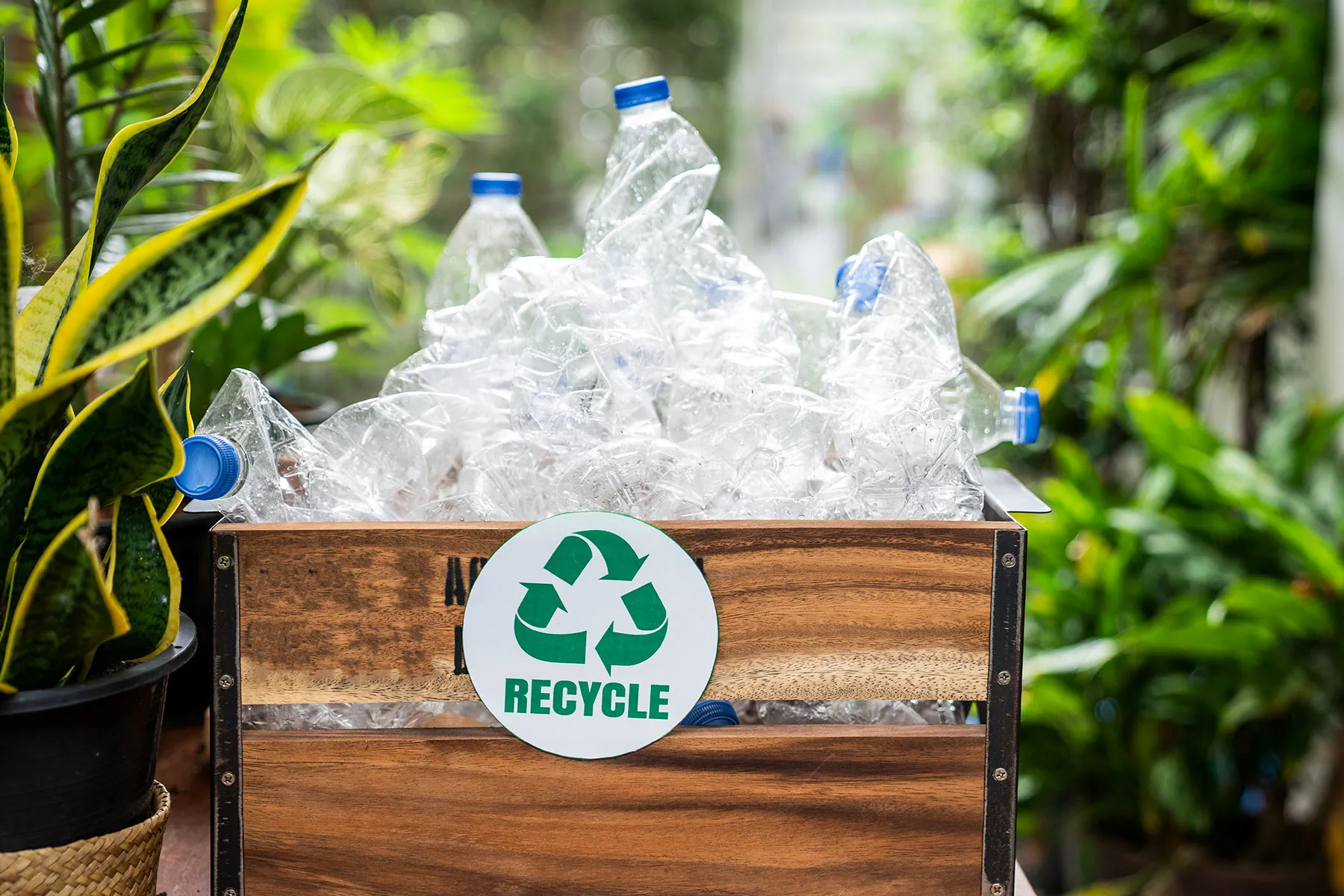 Is It Safe To Reuse Plastic Water Bottles | Detroit Chinatown
The Reality Check
Look, I’m not here to shame you. I’ve reused a plastic bottle for three days straight because I was too tired to walk to the kitchen for a clean glass. It’s a relatable moment of laziness that feels like a small rebellion against Big Water.
The truth is, reusing a plastic bottle is okay in a pinch, but it’s like driving a rental car with the “check engine” light on—it’ll get you there, but you’re living on borrowed time. The real hero here is a reusable metal or glass bottle. They don’t leach chemicals, they don’t smell like a swamp creature, and they make you look like you have your life together.
But if you’re dead set on giving that plastic bottle a second chance, do it like a cool adult. Switch it to a dedicated water bottle with a wide mouth so you can actually clean it. And for the love of all that is holy, don’t reuse the one you drank soda out of—that sticky residue is a breeding ground for something that probably belongs in a science lab.
A Final, Very Real Anecdote
Last summer, my friend Mark was proudly showing off his “vintage” water bottle. He’d been using the same plastic bottle for two months. He called it “old faithful.” When I finally convinced him to throw it away, we opened it, and a tiny, green fuzz ring had formed around the cap. It looked like a chia pet had died in there.
We didn’t speak for a week. But he now owns a shiny, stainless steel bottle, and he’s never been happier. So, is it okay to reuse plastic water bottles? Yes, for a day or two. After that? Treat yourself to a real one. Your taste buds, your stomach, and your future self (who won’t have to explain a green fuzz ring to guests) will thank you.
