Is It Safe To Reuse Plastic Water Bottles

So, you just finished a bottle of water. You’re looking at that empty, crinkly plastic vessel, and a little voice in your head asks: “Should I just refill this thing?” Hey, I’...
So, you just finished a bottle of water. You’re looking at that empty, crinkly plastic vessel, and a little voice in your head asks: “Should I just refill this thing?” Hey, I’ve been there. It feels eco-friendly to reuse it, right? Maybe you’re just lazy and want a reusable cup without the dishwashing.
The Good Vibes of Reusing
Let’s be real: reusing a plastic bottle feels resourceful. You’re saving that single-use item from the trash can, and that’s a cool, small win for the planet. It’s like giving a plastic soldier a second tour of duty. But is your trusty sidekick still safe to drink from?
Here’s where the curious science comes in. That plastic bottle is mostly polyethylene terephthalate, or PET. It’s made for one trip — from the factory to your lips. Think of it like a paper napkin: great for one use, but a bit sad and flimsy the second time around.
Must Read
The Sneaky Chemical Leak
Your bottle has a secret life when you reuse it. Over time, especially with heat or wear, it can leach chemicals into your water. One of the main suspects is antimony, a heavy metal used in making the plastic. Does it mean you’ll glow in the dark? No, but it’s a chemical party you didn’t invite.
Another cool fact: the more you wash and squeeze that bottle, the more you degrade the plastic. Tiny cracks form, which are perfect little homes for bacteria. You think you’re drinking water, but you might be sipping a microbial soup mixed with plastic dust. Yum, right?
The Germ Factor You Can’t Ignore
Here’s a fun comparison: reusing a plastic water bottle is a bit like sharing a toothbrush with a stranger. Okay, that’s dramatic, but your mouth touches the rim, and water sits there warm and wet. That’s a five-star hotel for bacteria like E. coli or staph. Gross, but fascinating, isn’t it?
Studies have shown that a reused bottle can have more germs than a toilet seat. Wait, don’t panic — that’s mostly because we never clean our water bottles properly. A quick rinse with soap isn’t enough to kill the stubborn biofilm that clings to the plastic.
Heat: The Bottle’s Kryptonite
What happens when you leave your refilled bottle in a hot car? The plastic gets cozy and starts unraveling. Heat speeds up the chemical leaching process big time. It’s like putting a plastic chair in an oven — it’s still a chair, but something’s off.
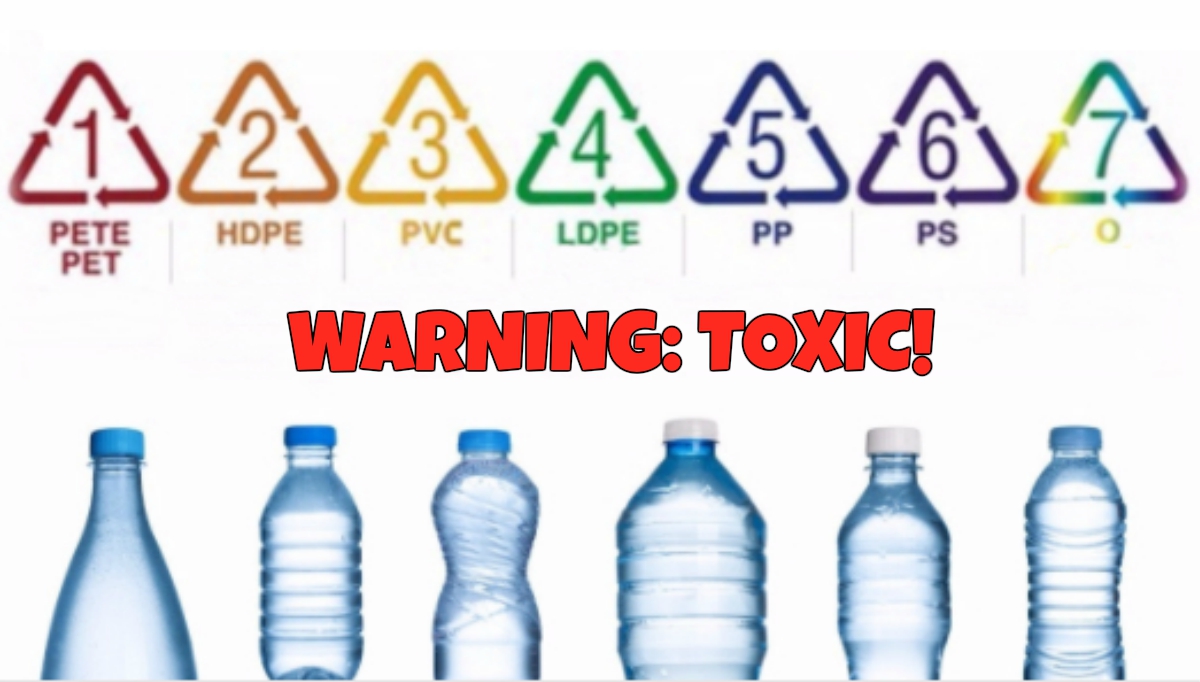 Is It Safe To Reuse Plastic Water Bottles | Detroit Chinatown
If you absolutely must reuse a plastic bottle, never put it in the dishwasher or microwave. Those high temps are like a full-on spa day for chemical migration. Your water might pick up extra notes of plastic flavor. Not exactly artisanal, is it?
So, Should You Just Stop?
The short answer: for a few days, it’s probably fine. But for weeks? That’s a game of roulette you don’t need to play. Your body handles small amounts of chemicals, but why test your luck? It’s like using a bent fork — it works, but it’s not ideal.
The smart money is on stainless steel or glass bottles. They don’t leach, they don’t hold smells, and they look way cooler in your bag. That plastic bottle? Give it a loving send-off to the recycling bin. It served its purpose.
The Curious Takeaway
Is it safe? Mostly, but not forever. The danger is small, but real, like walking barefoot on a beach with one piece of glass. You’ll probably be okay, but why risk it when a durable alternative exists? You’re curious, you’re chill, and now you know the secret life of plastic bottles.
Next time you reach for that old bottle, ask yourself: “Would I drink from a crumpled cup that’s been in my gym bag for a week?” Probably not. So for now, recycle it, grab a reusable one, and hydrate like the smart, eco-conscious boss you are.
