Reverse Osmosis Water Filters Replacement

Let’s be honest: your reverse osmosis system is the unsung hero of your kitchen. It’s the quiet genius turning tap water into something that makes your morning coffee taste li...

Let’s be honest: your reverse osmosis system is the unsung hero of your kitchen. It’s the quiet genius turning tap water into something that makes your morning coffee taste like it was brewed by a barista in Portland. But even the best superheroes need a little maintenance. Ignoring filter replacements is like asking your favorite vinyl record to play through a dust cloud.
The good news? This isn't brain surgery. It’s a simple, satisfying ritual that keeps your water crisp and your system happy. Think of it as a spa day for your tap—refreshing, necessary, and oddly therapeutic.
Why Bother? The Science of Sip
Your RO system uses a semi-permeable membrane to trap everything from lead to chlorine. Over time, those filters get clogged with the very stuff they’re saving you from. A clogged filter means slower flow, funky tastes, and a system working twice as hard.
Must Read
Pro tip: If your water starts tasting like you’re drinking from a garden hose, you’ve waited too long. The membrane itself is the star, but the pre-filters and post-filters are the supporting cast. Replace them every six to twelve months, and your membrane will last for years.
A fun fact: reverse osmosis was originally used to desalinate seawater on ships. Your kitchen system is basically a miniature ocean-cleaning machine. Respect the tech.
The Tell-Tale Signs: When to Swap
Your water will literally tell you when it’s time. A sudden drop in pressure from your faucet is the first whisper. If your ice cubes look cloudy or your tea has a metallic edge, that’s a shout.
Another clue? Your filter replacement reminder light—if you have one. Don’t ignore it. Treat it like that friend who always knows when you need a coffee refill. Listen to the light.
Most manufacturers recommend a schedule: sediment filters every six months, carbon blocks every six to twelve, and the RO membrane every two to three years. Mark it on your calendar. Or better, set a recurring reminder on your phone called “Water Glow-Up.”
The Tool Kit: What You Actually Need
You don’t need a plumber or a degree in hydrology. You need a filter wrench (usually included), a bucket, and maybe some paper towels. No, you don’t need a blowtorch or a prayer circle.
Buy genuine replacement filters from your brand. Counterfeit filters are a gamble—like buying a designer handbag from a street vendor. You might get a deal, but you’ll probably get a leak. Invest in integrity.
Keep a backup set under the sink. There’s nothing worse than realizing your water tastes weird on a Sunday, when every plumbing supply store is closed. It’s the adult version of running out of coffee beans.
The Swap: A Step-by-Step Zen Practice
First, turn off the water supply to your RO system. It’s usually a small valve under the sink. Then, open the faucet to release pressure. This prevents a surprise shower of ancient sediment.
Use the wrench to unscrew the old filter housings. They’ll be tight, but you’re stronger than you think. Dump the old water into your bucket. Note the color: if it’s brown, you just saved yourself from drinking that.
Wipe down the O-rings with a little food-grade silicone grease. This prevents leaks and makes the next swap smoother. Then, screw the new filters in hand-tight—no Hulk strength needed. Turn the water back on and check for drips. Let it run for five minutes to flush the system.
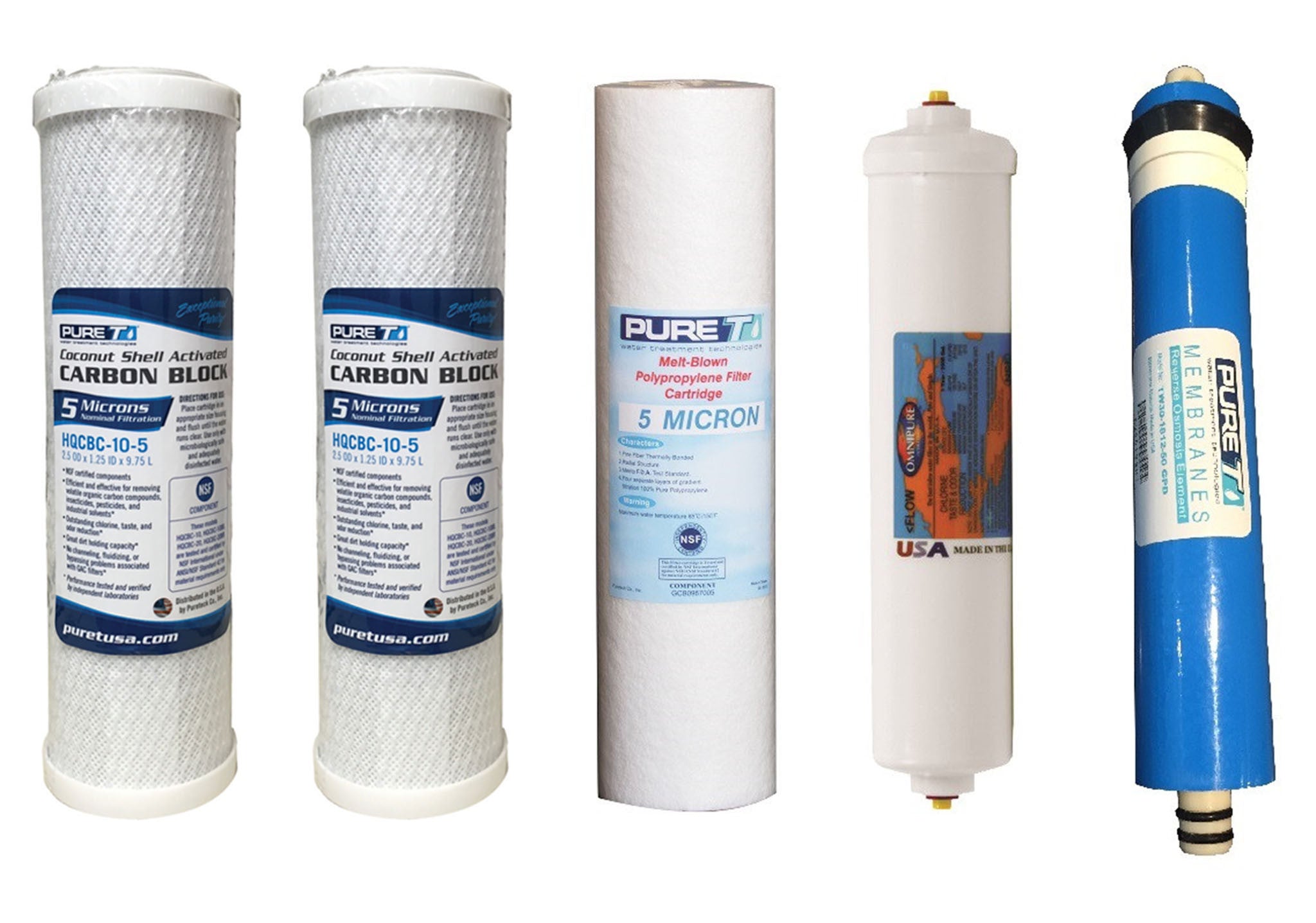 5 Stage Reverse Osmosis System Filters Replacement
Cultural Water Wisdom
In Japan, people often offer water at shrines as a symbol of purity. In your home, your RO system is your personal shrine to hydration. Treating it with care is a quiet act of self-respect.
In Scandinavian design, simplicity and function reign. Your RO setup is the same: clean lines, clear purpose. A filter swap is a chance to practice lagom—the Swedish art of “just enough.” Not too much fuss, not too little care.
Remember that scene in The Big Lebowski where The Dude says the rug “really tied the room together”? Your water quality ties your whole kitchen together. Bad water ruins coffee, cocktails, and confidence.
Practical Shortcuts for the Busy Life
Set a recurring calendar event for the first Saturday of every six months. Call it “Filter Fiesta.” Pair it with a podcast or an audiobook. It takes fifteen minutes—less time than scrolling through Instagram.
Use a permanent marker to write the installation date on the new filter. This saves you from guessing later. Date everything. It’s the kind of organizational hack that makes you feel like a smarter version of yourself.
If you travel a lot, consider a system with a manual flush valve. Flushing before a trip extends filter life. It’s like putting your water in airplane mode.
The Downside: What No One Tells You
Reverse osmosis systems waste a little water during the filtration process. Older models can waste up to four gallons for every one gallon filtered. It’s not ideal, but modern systems are much more efficient.
You can minimize waste by using the reject water for houseplants. They don’t mind the extra minerals. Your fiddle-leaf fig will thank you.
Also, RO water removes beneficial minerals like calcium and magnesium. If you’re worried, add a remineralization filter or eat a piece of cheese. Balance is key.
A Final Reflection
In a world that feels increasingly complicated, a filter swap is a small victory. You take something invisible—water—and quietly make it better. No fanfare. No applause. Just the quiet satisfaction of a job well done.
Every glass you drink afterward is a reminder that small care adds up to big quality. The water that fills your kettle, your favorite bottle, your morning smoothie—it’s a direct result of ten minutes of your time. That’s a pretty good deal for something so essential.
So go on. Give your RO system a little love. Your taste buds, your kettle, and your inner hydration guru will all feel the difference. Cheers to clear water and a clear head.
