Can You Install A Water Softener Yourself

So, your water tastes like a rock fight, your dishes look cloudy, and your showerhead is basically a mineral stalactite. You’re thinking about a water softener. And then you l...
:max_bytes(150000):strip_icc()/installing-a-water-softener-2718669-FINAL-1-ee8de137dcf84b5db1e28f84a7dec11b.png)
So, your water tastes like a rock fight, your dishes look cloudy, and your showerhead is basically a mineral stalactite. You’re thinking about a water softener. And then you look at the installation cost and choke on your hard water. Cue the brilliant idea: “I’ll just do it myself!”
Hold your horses, DIY warrior. Can you actually install a water softener yourself? The short answer is yes — but the long answer is a hilarious, sweaty, and potentially plumbing-disaster-filled adventure. Let’s chat about it, coffee in hand.
The “Yes, You Totally Can” Part
First, the good news. If you are vaguely handy and own a basic toolkit, you can absolutely do this. Manufacturers design these things for mere mortals, not just wizards in plumber’s pants.
Must Read
The main job is simple in theory: cut a pipe, connect a bypass valve, and run a drain line. It’s like building a slightly more stressful Lego set that involves water pressure. Many softeners even come with those push-to-connect fittings that make you feel like a plumbing god.
You’ll save a ton of money. Professional installation can cost as much as the machine itself. That cash could buy you a lot of fancy coffee or, you know, three more bags of salt for the softener you just wrestled into your basement.
The “Wait, What’s a Water Hammer?” Part
Here is where we need a serious chat. Installing a water softener isn’t just about connecting hoses. It’s about plumbing physics. You need to know your water pressure, and you might need to install a pressure-reducing valve. That’s not just extra hardware — it’s an invitation for a flood.
You also have to deal with water hammer. That’s the banging sound in your pipes when water suddenly stops. A softener can make this worse if you install it wrong. Are you ready to diagnose that? Or are you ready to listen to your pipes play the drums at 3 AM?
Then there’s the drain line. Where does it go? It can’t just dump on the floor (though that would be exciting). You need an air gap, proper slope, and it better not siphon dirty water back into your clean system. Trust me, you don’t want to learn about backflow the fun way.
The Real Talk: Soldering vs. Push-Fit
Most hardcore plumbers will tell you to solder copper pipes. That involves a torch, fire, and a real risk of setting your utility room ablaze. Is that your idea of a fun Saturday? If so, go for it. If not, use PEX and push-fit fittings.
Push-fit is your best friend. It’s almost foolproof. But even push-fit requires perfectly square cuts and the right pipe depth. Get that wrong, and it’s not a water softener anymore — it’s an indoor fountain feature you didn’t order.
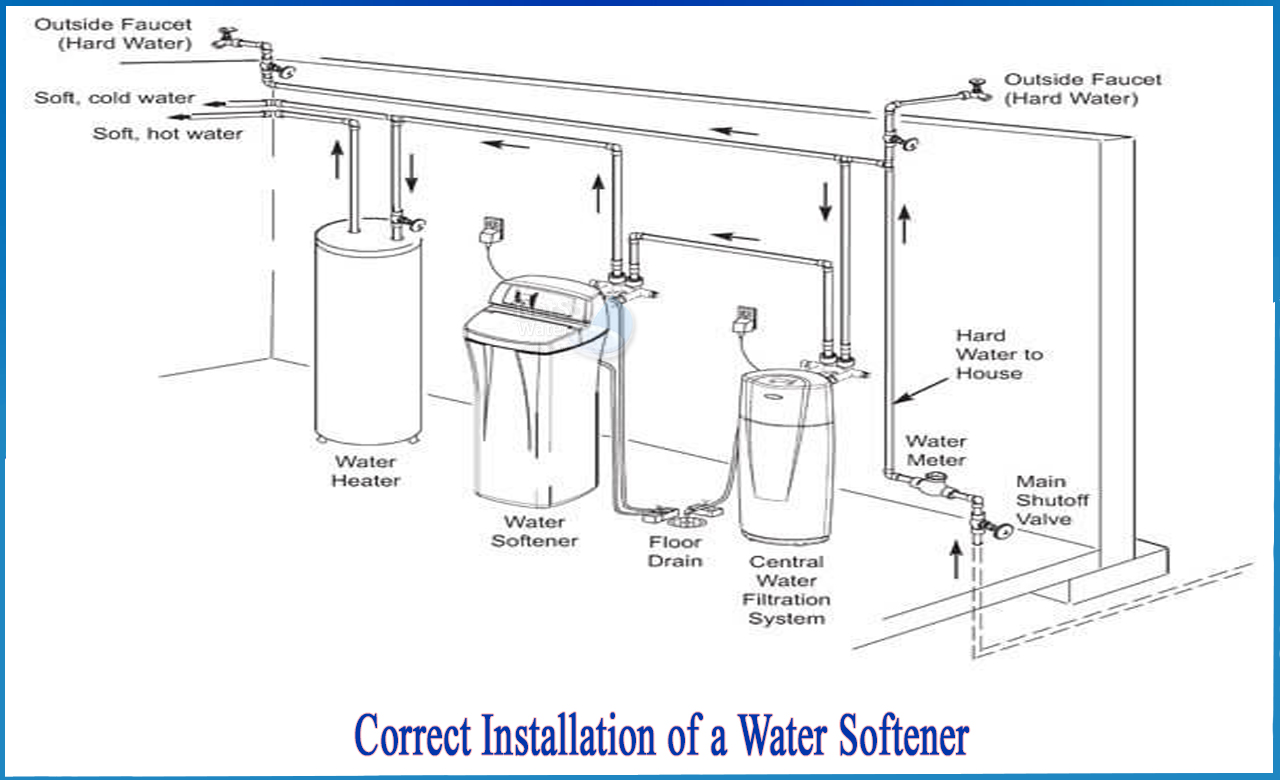 Installing A Water Softener , How To Install Water Softener System
Also, let’s talk about permit. Many cities require a permit for water heater or softener work. I know, I know, boring city rules. But if your install floods your basement and the inspector sees you skipped the permit, your insurance might laugh and hand you a mop instead of a check.
The Big Decision: Skill Check
So, how do you know if you’re the right DIY candidate? Here’s my brutally honest coffee-shop test. Have you successfully replaced a toilet flapper? Or installed a faucet without leaking? Perfect, you might be ready.
Have you only changed a lightbulb and called it a “home improvement project”? Call a plumber. Seriously. The cost of a pro is less than the cost of replacing your flooring after a leak. Don’t let your ego write a check your soldering skills can’t cash.
If you do go DIY, watch three different YouTube videos. Not one, not two, but three. Each video will show you a different mistake to avoid. Then, buy the exact tools they use. Do not substitute a butter knife for a pipe cutter. I’ve seen it. It was tragic.
The Verdict (And My Final Sarcasm)
Can you install a water softener yourself? Yes, if you are patient, prepared, and a little brave. No, if you hate reading instructions or own a home that was built before 1970 (because those pipes are haunted).
It’s a solid weekend project. You’ll feel like a king when the water runs silky smooth. You’ll also feel like a fool if you forget to turn off the main water valve first. Spoiler: that’s a very wet feeling.
So, grab your tools, your manual, and maybe a good luck charm. Or just pay the plumber. No judgment here — I’m just your friend with a coffee mug and some piping hot opinions.
:max_bytes(150000):strip_icc()/installing-a-water-softener-2718669-FINAL-1-ee8de137dcf84b5db1e28f84a7dec11b.png&description=Can+You+Install+A+Water+Softener+Yourself)