Well Water Softener And Filtration System

Okay, friend. Let’s talk about well water. You know, that magical stuff that comes from the ground, supposedly pure and untouched. Except, sometimes it tastes like a rusty pen...
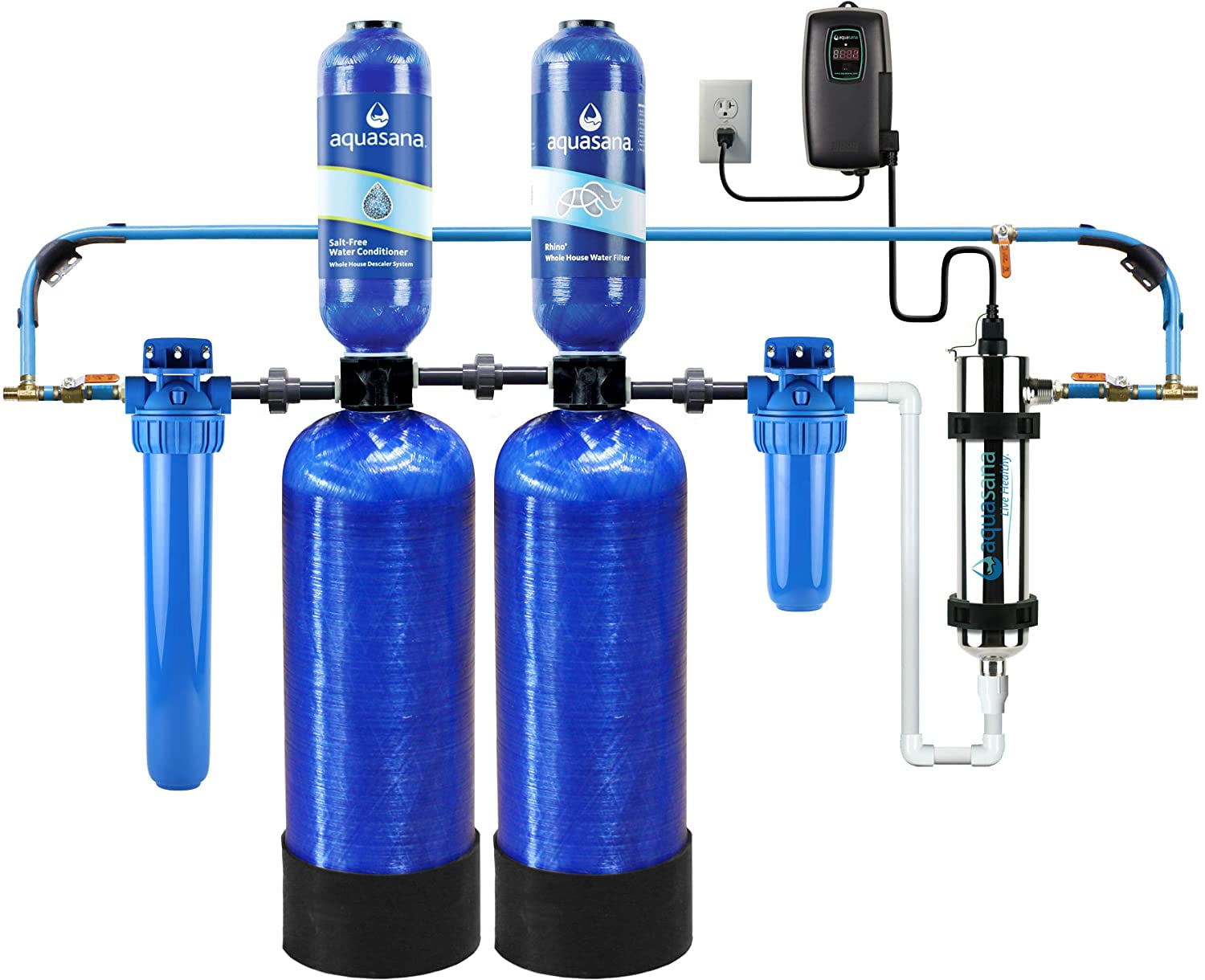
Okay, friend. Let’s talk about well water. You know, that magical stuff that comes from the ground, supposedly pure and untouched. Except, sometimes it tastes like a rusty penny, smells like a swamp, and leaves your white socks looking like they survived a mud wrestling match. Right? You’re nodding.
I get it. You’ve got a well. And you’ve got hard water. That sneaky mineral party happening in your pipes. It’s not your fault. The earth just decided to gift you a little extra calcium and magnesium. Lucky you.
But seriously—spotty glasses, crusty showerheads, and hair that feels like straw? That’s not a vibe. So, what’s the fix? You need a well water softener and filtration system. It sounds fancy, but it’s really just a superhero for your plumbing.
Must Read
What’s the Difference? (Because Yes, There Is One)
Let’s clear this up before your brain explodes. A water softener tackles the minerals. It swaps out calcium and magnesium for sodium or potassium. Poof—no more scale buildup. Silky water. But it doesn’t clean the water of everything.
Enter the filtration system. This bad boy catches the nasty stuff: sediment, iron, sulfur, bacteria, and that weird earthy smell. Think of it as a bouncer at a club, kicking out the riffraff. You often need both. Chances are, your well water needs a dynamic duo.
Don’t worry, we’re not building a rocket. It’s just a few tanks and some clever chemistry. I promise your coffee table won’t explode.
Signs You’re a Candidate (Spoiler: It’s Probably You)
Does your water leave orange or brown stains in the sink? That’s iron, my friend. It’s like the ocean decided to move into your bathroom. Not cute.
Does your laundry come out feeling scratchy? Or do you use half a bottle of soap just to get a lather? Yeah, that’s the hardness talking. You’re literally pouring money down the drain.
And that rotten egg smell? That’s hydrogen sulfide. It’s not your plumbing dying—it’s bacteria in the well. A proper filtration system zaps that odor instantly. You’ll stop holding your nose every time you turn on the tap.
How It Works (The “Gist” Without the Boring Lecture)
Imagine your water runs through a series of chambers. First, a sediment filter grabs the sand, dirt, and rust flakes. Then, a carbon filter grabs the chlorine and odors. It’s like a vacuum for your water.
Then comes the softener. It’s a tank full of resin beads that grab the minerals. The beads get a “bath” in salt brine to recharge. That’s why you buy bags of salt at the store. Science is weird, but effective.
Some systems use reverse osmosis for drinking water. That’s the turbo mode. It pushes water through a super-fine membrane, leaving everything bad behind. You get water so pure it’s almost boring. But boring is good when you’re drinking it.
Choosing the Right System (Don’t Panic)
First, get a water test. Seriously. Don’t guess. You could buy a fancy system that doesn’t remove the arsenic your well loves to hide. Get a lab kit or call a local pro. It costs like twenty bucks and saves you hundreds.
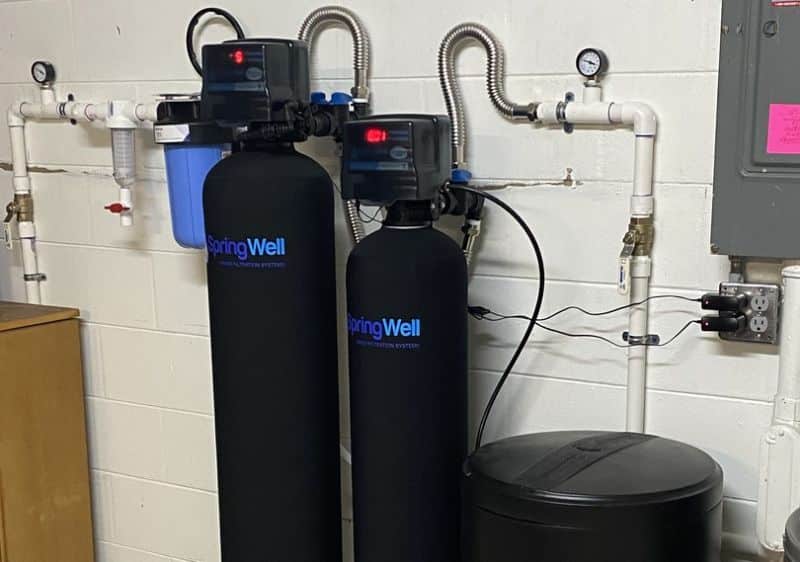 6 Best Water Softeners for Well Water with Iron of 2024
Look for a system that handles your specific problems. Too much iron? Get a greensand filter. Sulfur smell? You need an aeration system or catalytic carbon. It’s like ordering a customized pizza—but for your faucets.
Size matters too. A tank that’s too small will run out of soft water mid-shower. And nobody wants to rinse with hard water while covered in shampoo. Rude.
Installation: DIY or Call a Friend With a Truck?
If you’re handy, you can install a basic system in a weekend. You just need a hacksaw, pipe wrenches, and the patience of a saint. Pex tubing makes it easier. I won’t judge if you watch a YouTube tutorial for three hours first.
But if the thought of cutting into a pipe makes you sweat, hire a plumber. Seriously. A botched install can flood your basement. And then you’re not worried about hard water—you’re worried about a new swimming pool.
Most pros will do it in a few hours. They’ll also set up the drain line and bypass valve. Worth every penny. Your marriage and sanity will thank you.
Maintenance (The Unsexy Part)
You can’t just set it and forget it. Sorry. You’ll need to add salt to the softener every month. How much? Check the tank. When it looks empty, fill it. Don’t let it go bone-dry or you’ll break the resin.
Filters need replacing every 6 to 12 months. Mark it on your calendar. Or set a phone alarm. Seriously, don’t trust your memory. You’ll be staring at a clogged filter wondering why your water pressure died.
One more thing: clean the brine tank once a year. It gets salty sludge called “salt bridge.” Just break it up with a broom handle. Very satisfying, honestly. Like popping bubble wrap, but for adults.
The Magic of Soft, Clean Water
Once you have a system, your life changes. Your skin feels smooth. Your dishes sparkle. Your coffee doesn’t have a weird floaty film. You’ll find yourself running your hands under the tap just because. I’m not kidding.
And your appliances? They’ll last longer. A water softener can double the life of your water heater. That’s hundreds of dollars saved. Drink up—you’ve earned it.
So, go get your water tested. Talk to a local well company. Buy a system that fits your crazy, unique well. Your pipes deserve a break. And honestly? So do you. No more rusty socks. Promise.
