Dishwashers With Water Softeners Built In

Let’s be real: the romance of hand-washing dishes evaporates somewhere between the third crusted casserole dish and that mysterious film of hard water scum. You know the one—t...
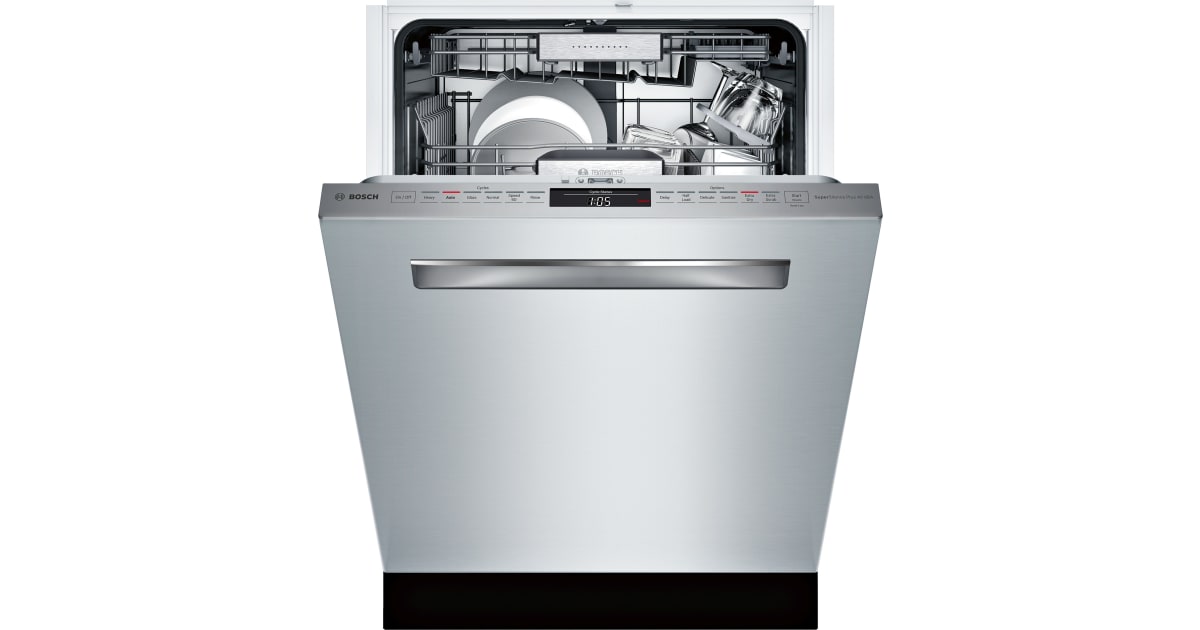
Let’s be real: the romance of hand-washing dishes evaporates somewhere between the third crusted casserole dish and that mysterious film of hard water scum. You know the one—the cloudy residue that makes your wine glasses look like they’ve been on a bender without you. Enter the unsung hero of the modern kitchen: the dishwasher with a built-in water softener. It’s not just a machine; it’s a silent guardian of your glassware, your sanity, and your weekend mornings.
Think of it as a spa day for your plates, without the booking fee. Hard water—packed with calcium and magnesium—is the villain in this story, leaving chalky deposits on everything it touches. A built-in softener uses ion-exchange resin to swap those hard minerals for sodium or potassium. The result? Spotless, shiny dishes and a machine that laughs in the face of limescale.
The Why Behind the Whiz
You might ask, “Can’t I just use a rinse aid or add salt manually?” Yes, but that’s like using a Band-Aid on a broken pipe—temporary and messy. A built-in softener automates the process, regenerating itself while you sleep. It’s the difference between surviving and thriving in your kitchen routine.
Must Read
Here’s a fun fact: The average American household has water hardness between 7 and 10 grains per gallon. That’s enough to turn your favorite coffee mug into a chalky mess in just a few cycles. With a built-in softener, you’re not just cleaning dishes—you’re protecting your investment in decent cookware.
Culturally, this is a quiet revolution. In Europe, especially Germany and Scandinavia, built-in softeners are almost standard—because they prioritize efficiency and longevity. Meanwhile, in the U.S., we’re only now catching on, swapping our “scrub-it-until-it-shines” mentality for something smarter. It’s like switching from dial-up to fiber optic; you don’t realize how slow you were until you upgrade.
Practical Tips for the Water-Wise
Before you buy, check your local water hardness using a test strip (free at most hardware stores). Most dishwashers with built-in softeners let you adjust the regeneration frequency based on your water’s severity. Set it too low, and you’ll get spotting; too high, and you’ll waste salt and water. Find the sweet spot—typically level 3 or 4 for moderately hard water.
Don’t fall for the myth that you still need to rinse dishes beforehand. Modern dishwashers—especially those with softeners—have sensors that detect soil levels. Scrape, don’t rinse; the machine wants the food particles to activate its cleaning enzymes. Save the water for your plants or your morning shower.
Also, consider the salt quality. Use dishwasher-specific salt (not table salt, which contains anti-caking agents). Tablet-based systems are convenient, but loose salt in the reservoir is cheaper and just as effective. It’s like choosing whole beans over pre-ground coffee—the ritual matters, and so does the result.
The Little Facts That Delight
Did you know the first automatic dishwasher was invented in 1886 by a woman named Josephine Cochrane? She built it because servants kept chipping her fine china. Today, built-in water softeners are the high-tech answer to her frustration—no chips, no film, no drama.
Another gem: a single dishwasher cycle with a softener can use up to 30% less detergent. That’s because softened water allows surfactants to work more effectively. So not only are you saving your glassware, you’re saving money and the planet—one eco-friendly load at a time.
 7 Best Dishwashers With Built In Water Softener 2026 — Be A Cleaner
Think of it as a multitasking marvel. While you’re binge-watching your favorite show or walking the dog, the dishwasher is conducting a tiny chemistry experiment, balancing ions and scrubbing away the remnants of last night’s spaghetti. It’s both mundane and magical.
The Aesthetic and the Practical
Today’s models are sleek, quiet, and often Wi-Fi-enabled. You can check cycle status from your phone, schedule a wash for off-peak energy hours, or get alerts when the salt is low. It’s like having a sous-chef who only cares about cleanliness. Brands like Bosch, Miele, and KitchenAid lead the pack, but newer names like LG and Samsung are catching up fast with smart features.
One practical tip: always run a clean cycle once a month using a dishwasher cleaner (or a cup of white vinegar in a bowl). Even with a softener, grease and grime can build up. Think of it as a detox for your appliance—it keeps the system happy and the dishes radiant.
For those in apartments or rentals, note that built-in softeners are rare in compact models. But countertop dishwashers with external water softeners are a workaround. It’s not quite the same, but it’s like a good stand-in actor—gets the job done with style.
Connecting to Daily Life
Here’s the reflection: in a world overflowing with complexity, the dishwasher with a built-in softener offers a small, tangible victory. You load it, press a button, and walk away. An hour later, your plates shine like they’ve been polished by a fairy godmother. It’s a quiet triumph over the ordinary—a reminder that convenience and quality can coexist.
We spend so much energy on big decisions—careers, relationships, where to live—that we forget how much peace a clean kitchen can bring. The water softener isn’t just a feature; it’s a philosophy. It says that the small things matter. That a spotless wine glass can make a Tuesday feel like a celebration. That you deserve a little less elbow grease and a little more ease.
So next time you’re standing in the appliance aisle, staring at a row of stainless-steel behemoths, remember: the one with the built-in softener isn’t just washing dishes. It’s washing away friction—literally and figuratively. And in the middle of a busy week, that kind of grace is worth its weight in salt.
