Disadvantages Of Salt Free Water Softener

You know that satisfying, slippery feeling after a shower with a traditional water softener? It’s like you’ve been dipped in silk. Well, a salt-free water softener (which is r...
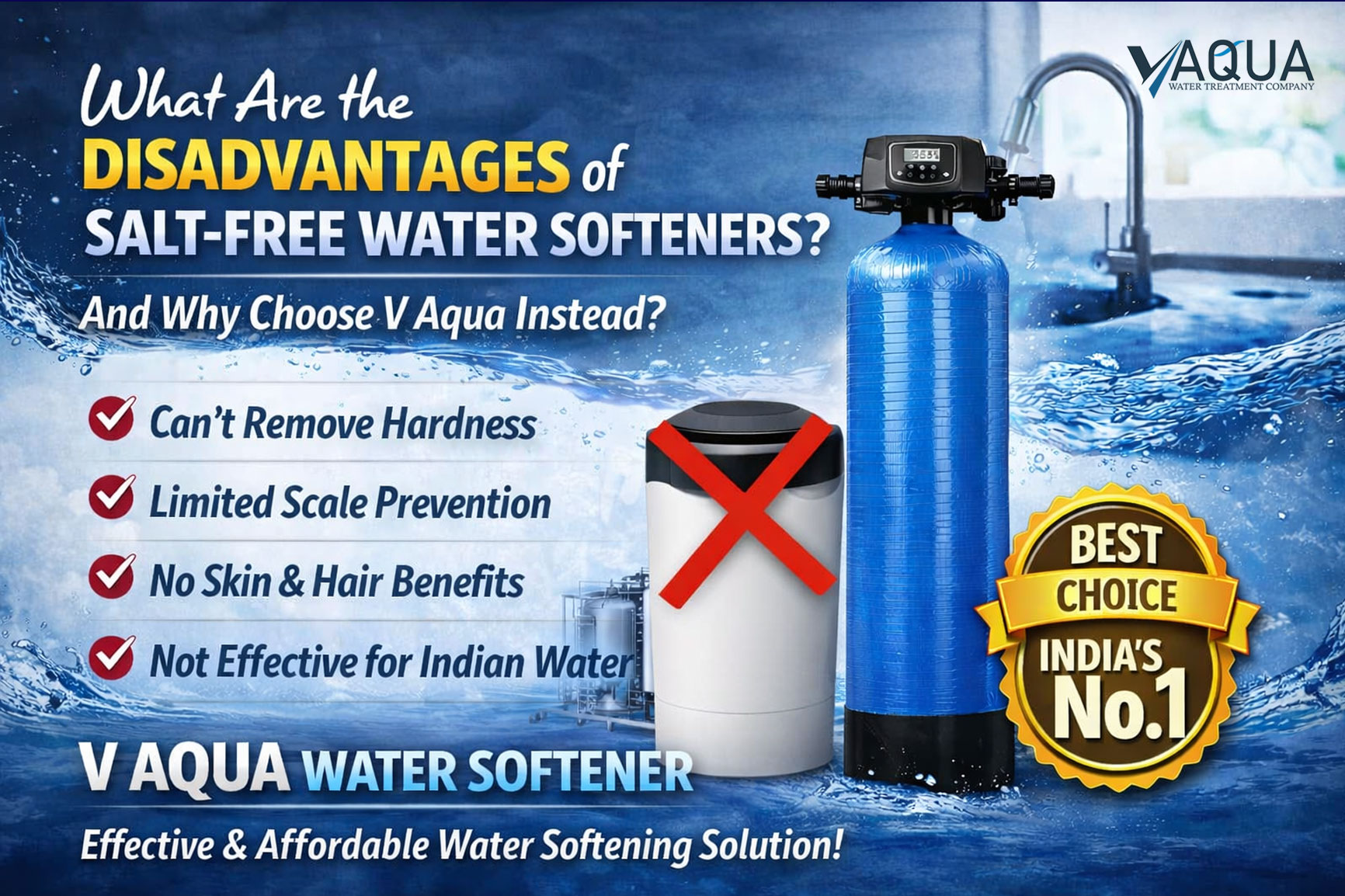
You know that satisfying, slippery feeling after a shower with a traditional water softener? It’s like you’ve been dipped in silk. Well, a salt-free water softener (which is really a water conditioner) won’t give you that. You’ll still get that squeaky, almost chalky feeling on your skin, like you’re a human dish that didn’t get rinsed properly.
The Great Limescale Illusion
Here’s the thing: salt-free systems don’t actually remove the hard minerals. They just change their shape so they can’t stick to your pipes. It’s like trying to convince your angry houseguest to be polite, but they’re still in the living room.
Your kettle will still develop a thin film of white stuff over time. Not as bad as the full-on mineral stalactites you might have seen in a cave, but it’s there. You’ll be pouring a cup of tea, and that little white fleck will float to the top, waving at you like, “Surprise! I’m still here!”
Must Read
Soap Scum: The Unwanted Guest
Because the hard minerals are still in the water, your soap and shampoo won’t lather up like a spa day. You’ll need to use twice the amount of soap to get that bubbly feeling. It’s like trying to wash a greasy pan with cold water—you just end up using half the bottle.
Your shower doors will still develop that cloudy, white film. You know, the one that looks like a ghost tried to fog up the glass. A salt-free system won’t save you from the dreaded scrubbing session every weekend.
Anecdote: The Great Shower Door Betrayal
I once spent a whole afternoon scrubbing those doors with vinegar and elbow grease. My neighbor, who uses a real salt-based system, sauntered over with a glass of wine and said, “Mine just rinses clean.” I wanted to throw my sponge at him. That’s the salt-free reality: you trade the salt for more cleaning time.
It’s Not Actually “Softer”
The biggest letdown? You’ll hear people say, “Oh, a salt-free softener is just as good!” They’re either lying or selling you a dream. Your laundry won’t feel as plush. Your towels will feel like slightly damp cardboard. Your clothes might even start to look a little faded or stiff after a few washes.
Compare that to a real softener, where you can wrap yourself in a towel that feels like a cloud made of kittens. It’s not the same. A salt-free system is like saying “decaf coffee is just as good as the real thing.” Sure, it looks similar, but you know the soul is missing.
The Scale of Deception
Salt-free conditioners work best when you have mild to moderate hard water, like under 10 grains per gallon. If your water is as hard as a math test (think 20+ grains), this thing is about as useful as a chocolate teapot. You’ll still see scale buildup on your faucets and water heater elements.
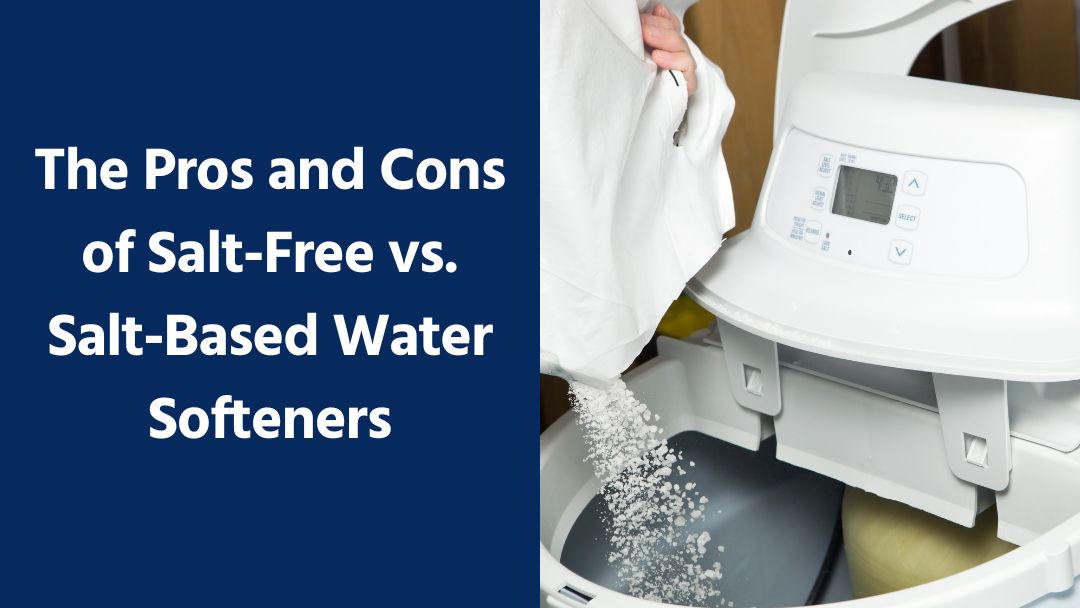 The Pros and Cons of Salt-Free vs. Salt-Based Water Softeners: Making
Your plumber will love you, though. He’ll come over, tap the water heater, and say, “Yep, this is salt-free water. I can tell because the heating element looks like it’s wearing a wool sweater.”
The Cost: Not a Cheap Trick
These systems aren’t cheap, either. You’ll drop a few hundred bucks on a fancy box that doesn’t solve the main problem. Meanwhile, a salt-based system is often cheaper upfront and actually works. It’s like paying for a gym membership but only ever using the water fountain.
And don’t forget maintenance. Some salt-free conditioners need new filters or cartridges every six months. You’ll find yourself on the internet at 11 PM, cursing under your breath, trying to figure out if you bought the right replacement part.
The “But It’s Better for the Environment” Trap
Yes, salt-free systems don’t dump salt into your septic system or the groundwater. That’s a real plus! But trying to convince your friends that your “environmentally friendly” water is just as good? Good luck. They’ll take a sip of your tea, make a face, and say, “This tastes like a rock.”
You’ll feel like you’re at a potluck where everyone brought dessert, and you brought a celery stick. Noble, but nobody’s thrilled about it.
When You Should (Actually) Consider One
Look, I’m not saying salt-free is useless. If your water is just slightly hard (like 3-5 grains), you don’t want to manage salt bags, and you hate the idea of sodium in your drinking water—then this might be for you. It’s like choosing a bicycle when everyone else drives a car. Slower, but no gas bills.
But for the rest of us with water that sounds like a rock tumbler when you run the tap? Stick with the real deal. Salt-free is a good conditioner, but it’s a rotten softener. Your hair, your dishes, and your sanity will thank you.
