Drain Flow Restrictor For Washing Machine

Ever watched your washing machine drain and wondered where all that water is going in such a hurry? It’s like a mini waterfall in your laundry room, right? Well, hidden inside...
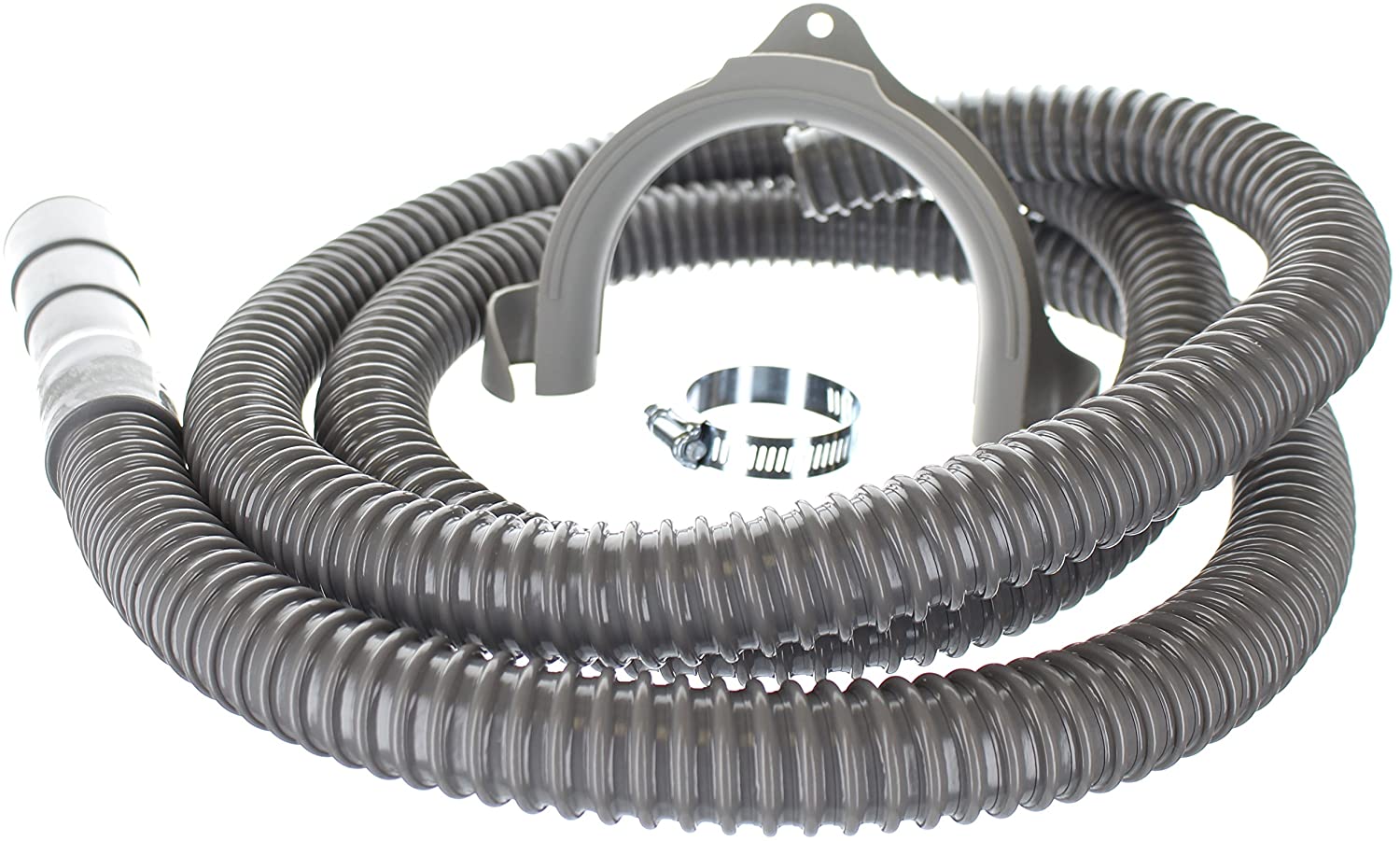
Ever watched your washing machine drain and wondered where all that water is going in such a hurry? It’s like a mini waterfall in your laundry room, right? Well, hidden inside that drain hose is a tiny, unsung hero that controls the whole show: the drain flow restrictor.
Sounds boring, I know. But trust me, this little plastic gizmo is actually pretty cool once you know what it does. Think of it as the bouncer at a club, but for water.
Without it, your machine would just dump all its water in one chaotic gush. That might sound efficient, but it’s actually a recipe for disaster.
Must Read
Why Does It Need a Bouncer?
Your washing machine’s drain pump is surprisingly powerful. It can push water out faster than your home’s plumbing can handle it. Imagine trying to pour a full bucket of water into a narrow straw—it’s going to fight back.
That fight creates backflow and weird gurgling sounds. Worse, it can cause your sink or toilet to overflow with dirty laundry water. Yuck.
The restrictor calmly says, “Whoa, slow down, buddy.” It creates a controlled, steady flow that the pipes can handle without freaking out.
A Turbo Boost for Your Machine
Here’s where it gets interesting. By slowing the water down, the restrictor actually helps the machine finish its cycle faster. How? It prevents the drain pump from running dry and sucking in air.
When a pump sucks air, it loses its prime and can’t push water. The restrictor keeps a constant column of water in the hose, so the pump stays happy and efficient. It’s like giving your car’s fuel pump a steady stream of gas—no sputtering, no stalling.
This means your wash cycle ends on time, and your machine doesn’t have to keep re-pumping water that’s already gone. More efficiency, less wear and tear.
It’s Like a Speed Bump for Water
Ever driven over a speed bump too fast? Your car hates it. Your plumbing feels the same way about fast, rushing water. The restrictor is that safe, gentle speed bump.
It prevents water hammer, that loud banging noise in your pipes. It also stops the drain hose from flying off its standpipe and flooding your floor. Suddenly, a tiny piece of plastic seems like a genius invention, right?
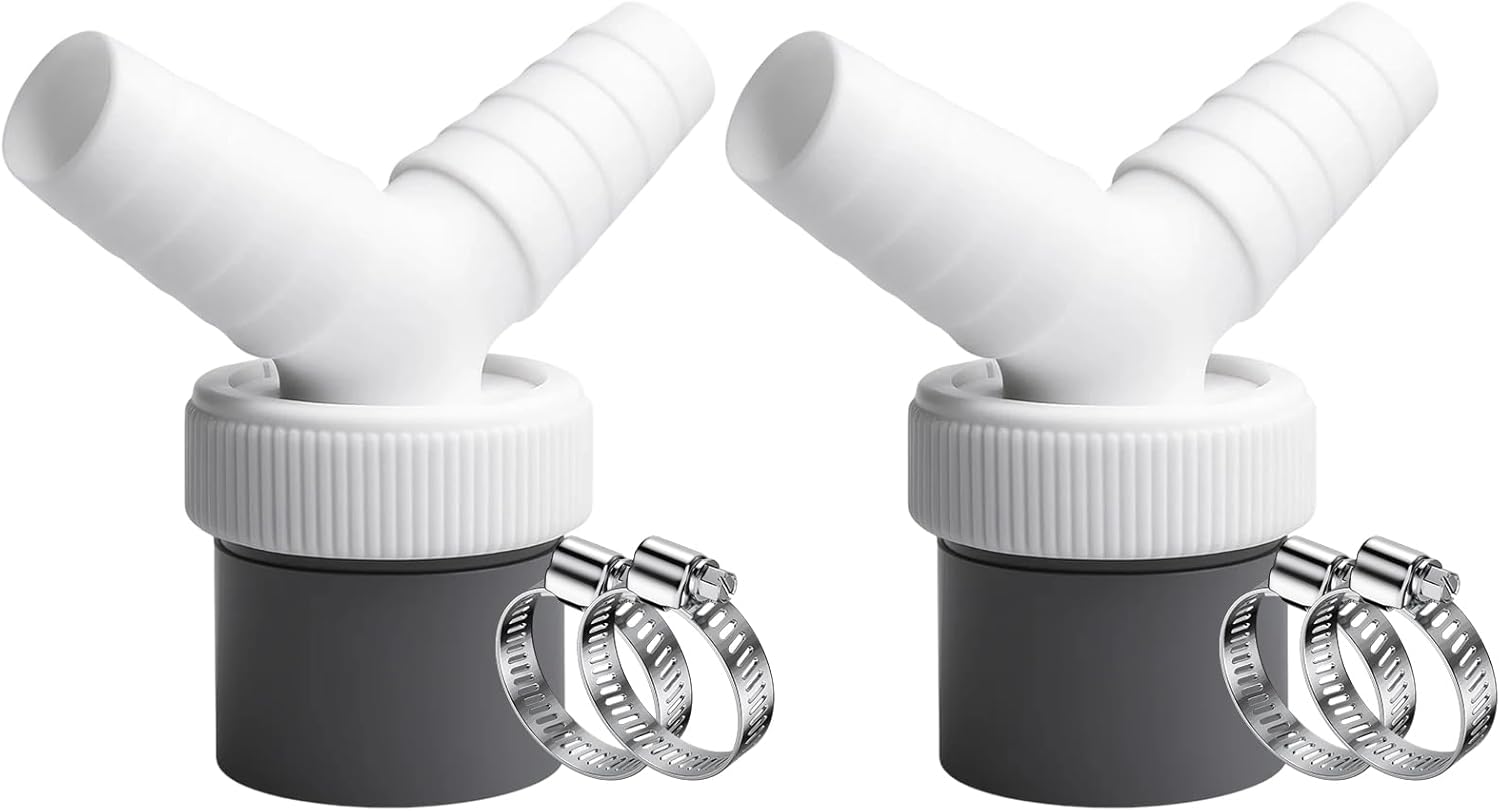 Washing Machine Waste Splitter, 2-Pack Double Drain Hose Connector
Without it, your washing machine would be a lot more like a fire hose—unpredictable and a little dangerous.
But What If You Remove It?
You might be tempted to yank it out thinking, “More flow = faster drain, right?” Wrong. Many people do this by accident when cleaning the drain filter.
Without the restrictor, the machine might drain faster, but it’ll also suck in air and foam. The pump will work harder, overheat sooner, and your machine could start smelling like a swamp. Not exactly the upgrade you were hoping for.
You might also notice that your machine leaves a tiny bit of water stuck in the tub. That’s because the pump lost its mojo. The restrictor is basically the brain behind the drain’s brawn.
A Silent, Cheap Lifesaver
These little parts cost just a few dollars. But they save you from potential plumber bills that can run into the hundreds. They’re the definition of simple, smart design.
Next time you hear your washer humming along, imagine that little restrictor doing its job. It’s calming the chaos, protecting your home, and keeping the whole operation smooth. Kind of like a good friend who makes everything better without asking for credit.
So, if you ever pull your drain hose off and see a tiny plastic plug with a hole in it—do not throw it away. Put it back. Give it the respect it deserves.
The Takeaway
The drain flow restrictor isn’t exciting to look at. But it’s one of those quiet little things that makes modern life work without flooding your kitchen. Isn’t that worth appreciating?
Honestly, it’s a bit like a traffic cop in a tiny plastic uniform. Directing flow, preventing pileups, and keeping your laundry day peaceful. Next time your machine drains, just smile and think, “There goes my little hero.”
