Distilling Alcohol With A Water Distiller

So, you’ve got a water distiller humming away in the corner of your kitchen, turning tap water into something pure and crisp. It’s a great little gadget, right? But have you e...

So, you’ve got a water distiller humming away in the corner of your kitchen, turning tap water into something pure and crisp. It’s a great little gadget, right? But have you ever stared at it and thought, “Could that same machine do something a bit more… spirited?” I did, and it turns out, with a few ground rules, your water distiller can moonlight as a tiny, legal distillery for creating your own essential oils or herbal hydrosols. But let’s be real—the fun question everyone secretly asks is about alcohol.
First, let’s get the big, boring, but very important part out of the way. Distilling alcohol at home is illegal in many places without a license. I’m not your lawyer, and Uncle Sam—or your local taxman—gets very unhappy if you start producing high-proof spirits in your garage. Think of it like driving a go-kart on the highway: technically possible, but you’ll get flagged fast. This article is about the science and the “what if,” not a how-to guide for breaking the law.
Now, for the cool science part. Your water distiller works by boiling liquid and then cooling the steam back into a liquid. Water boils at 212°F (100°C). Alcohol, specifically ethanol, boils at a lower temperature—around 173°F (78°C). This is the magic trick: if you start with a fermented liquid like wine or a sugar wash, the alcohol will turn to steam first, way before the water does.
Must Read
Imagine you’ve got a big pot of homemade apple cider that’s gone a little fizzy. You know, the kind your aunt leaves in the fridge too long and it smells like a bakery? If you ran that through a water distiller, the very first few drips out would be a light, apple-flavored spirit. It’s like catching the soul of the cider, leaving the watery body behind.
Here’s where your water distiller gets picky. Most countertop units are made of plastic and have a simple thermostat that shuts off when the water gets too hot. That’s fine for water, but for alcohol? A plastic distiller can leach chemicals into your spirit, and the fumes are flammable—a bad combo in your kitchen. You need a stainless steel or glass distiller made for the job, not the plastic one you use for your morning coffee water.
What you’ll actually get (and it’s not vodka)
If you do use a proper water distiller (like a high-grade stovetop model), you won’t get Grey Goose. You’ll get a cloudy, low-proof liquid called “low wines.” It’s about 20-30% alcohol, which is like a very strong wine. To get that 40% vodka or whisky, you need to run it through the whole process a second time—a “spirit run.” That’s when you carefully collect only the “heart” of the run, discarding the first harsh drips (the “heads”) and the last oily ones (the “tails”).
Let me tell you about my friend Jake. He tried this with a cheap water distiller and a batch of spoiled kombucha. The first run smelled like a broken dream—like feet and sugar. But after a second run, he got about a cup of something that tasted like a weird, rustic grappa. Did it win any awards? No. Was it a story? Absolutely. He called it “Kombucha No. 1” and made everyone take a shot while he explained the science.
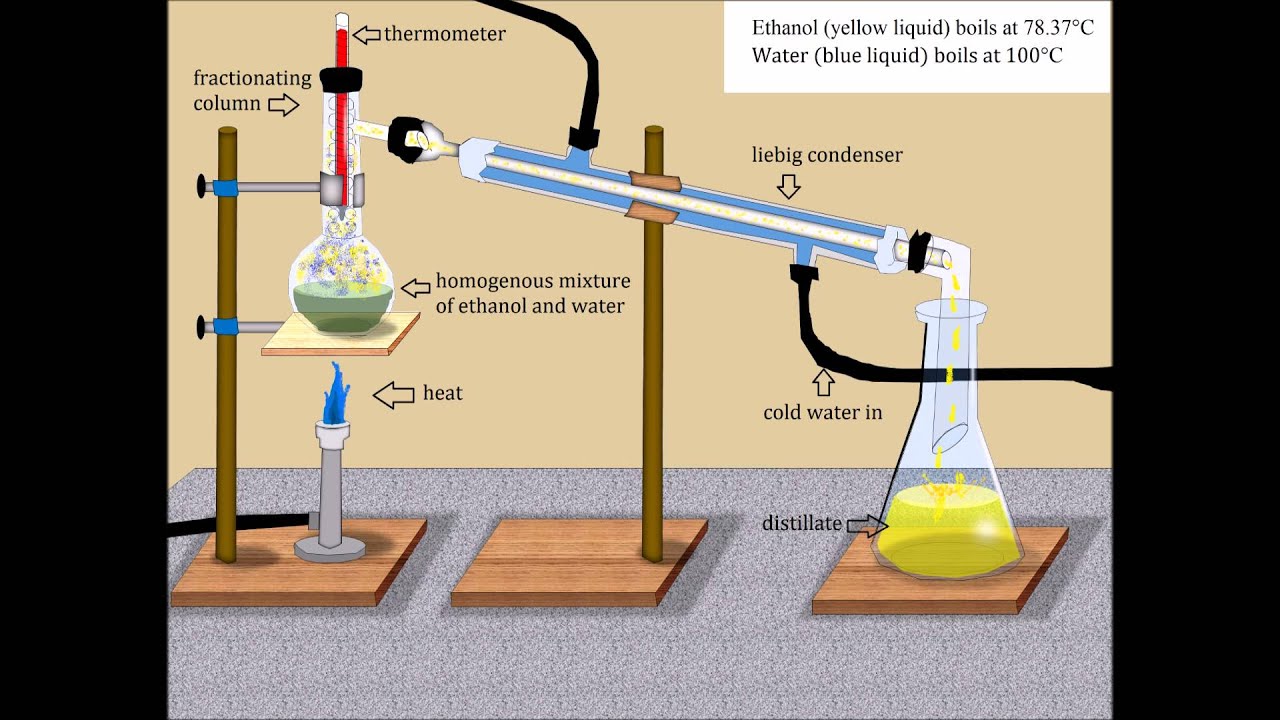 Ethanol Distillation
The real magic isn’t in making cheap booze. It’s in learning a craft that humans have done for thousands of years. You start to appreciate why a good whiskey costs $50—because turning a mash of corn into a clean, smooth spirit takes patience, precision, and a little bit of love. A water distiller is your beginner’s telescope into that world.
Why should you care?
Because it’s surprisingly easy to do safely (if you research and use the right gear), and it turns your kitchen into a mini lab. You can distill non-alcoholic things too: orange peels for a cleaning spray, lavender for a relaxing hydrosol, or even rosemary water for your garden. A water distiller becomes a multi-tool, not just a one-trick pony.
Plus, think about the conversation starter. Imagine serving your own homemade limoncello made from a base you distilled yourself. People will think you’re a mad scientist. You’ll say, “Oh, this? Just a little water distiller and some patience.” It’s the adult equivalent of telling someone you built your own kayak—it commands respect, even if it looks a little wonky.
Just remember: know your laws. In most places, you can distill water for perfume, essential oils, or hydrosols all day long. But the moment you collect alcohol, you’re in a gray or black area. Don’t be the person who gets a call from the ATF because you posted “My first homemade vodka!” on Facebook. Be the person who understands the craft but keeps it legal and safe.
So, go ahead. Hook up that water distiller for a batch of homemade rose water for your pancakes. Then, maybe read a book on the history of moonshine. Let your brain get a little drunk on knowledge, even if your glass stays filled with nothing stronger than tap water. Your future self—and your liver—will thank you.
