Reverse Osmosis Water Filter Replacements

Let’s be real for a second. Your reverse osmosis system is the unsung hero of your kitchen, quietly turning tap water into something that rivals a mountain spring. But like an...

Let’s be real for a second. Your reverse osmosis system is the unsung hero of your kitchen, quietly turning tap water into something that rivals a mountain spring. But like any hero, it needs a little TLC, and that means changing those filters on a regular schedule. Forget the boring instruction manual; we’re going to talk about why this tiny chore is actually a act of self-care for you and your glass.
The Secret Life of Your Water
Every time you fill a glass, you’re drinking through a multi-stage army. The sediment filter catches sand and rust, the carbon block tackles chlorine and weird tastes, and the RO membrane does the heavy lifting—pushing water through pores so tiny that only water molecules get through. But here’s the kicker: these filters are like sponges. They get full, and a full sponge just stops working.
When you skip a replacement, your water doesn’t suddenly turn brown. Instead, your system starts to work harder, using more energy and wasting more water. That crisp taste you love? It gets replaced with a flat, “meh” vibe that makes your morning ice cubes feel sad. Think of it as your faucet whispering, “I’m tired, boss.”
Must Read
A Cultural Nod to Freshness
In Japan, there’s a concept called “kirei”—a beauty found in cleanliness and purity. Your RO filter replacement is a small, weekly ritual that embodies that. It’s not about being fancy; it’s about respecting the process. Meanwhile, in Silicon Valley, they call this “preventative maintenance” for your most important device (you know, your body). Swap those filters, and you’re essentially upgrading your internal plumbing without a single app download.
The Practical Guide (No PhD Required)
Okay, let’s get down to brass tacks. Most standard RO systems have three to five filters. The common wisdom? Change the sediment and carbon pre-filters every six to twelve months. The RO membrane itself is tougher—it can last two to three years if you’re nice to it. But here’s a pro tip: replace the post-carbon filter every time you do the pre-filters. That’s the one that polishes your water right before it hits your glass, and old ones can actually add back contaminants.
Don’t trust the calendar? That’s fine. Follow your taste buds and your flow rate. If your water starts tasting like it’s been sitting in a gym locker, or if your faucet output turns into a pathetic trickle, it’s time to act. Write the date on the filter with a permanent marker when you install it—future you will thank past you for the detective work.
Fun Fact: The “Water Memory” Myth
Did you know that some people swear water has a memory? While science says no, the idea is a great reminder. A fresh filter gives your water a blank slate. It’s like wiping the memory card on your camera—suddenly everything is crisp and sharp. And if you’re using a fancy countertop dispenser, remember that the tank needs a cleaning every few months, too. A little white vinegar rinse keeps the mustiness away, because nobody wants their cucumber water smelling like attic.
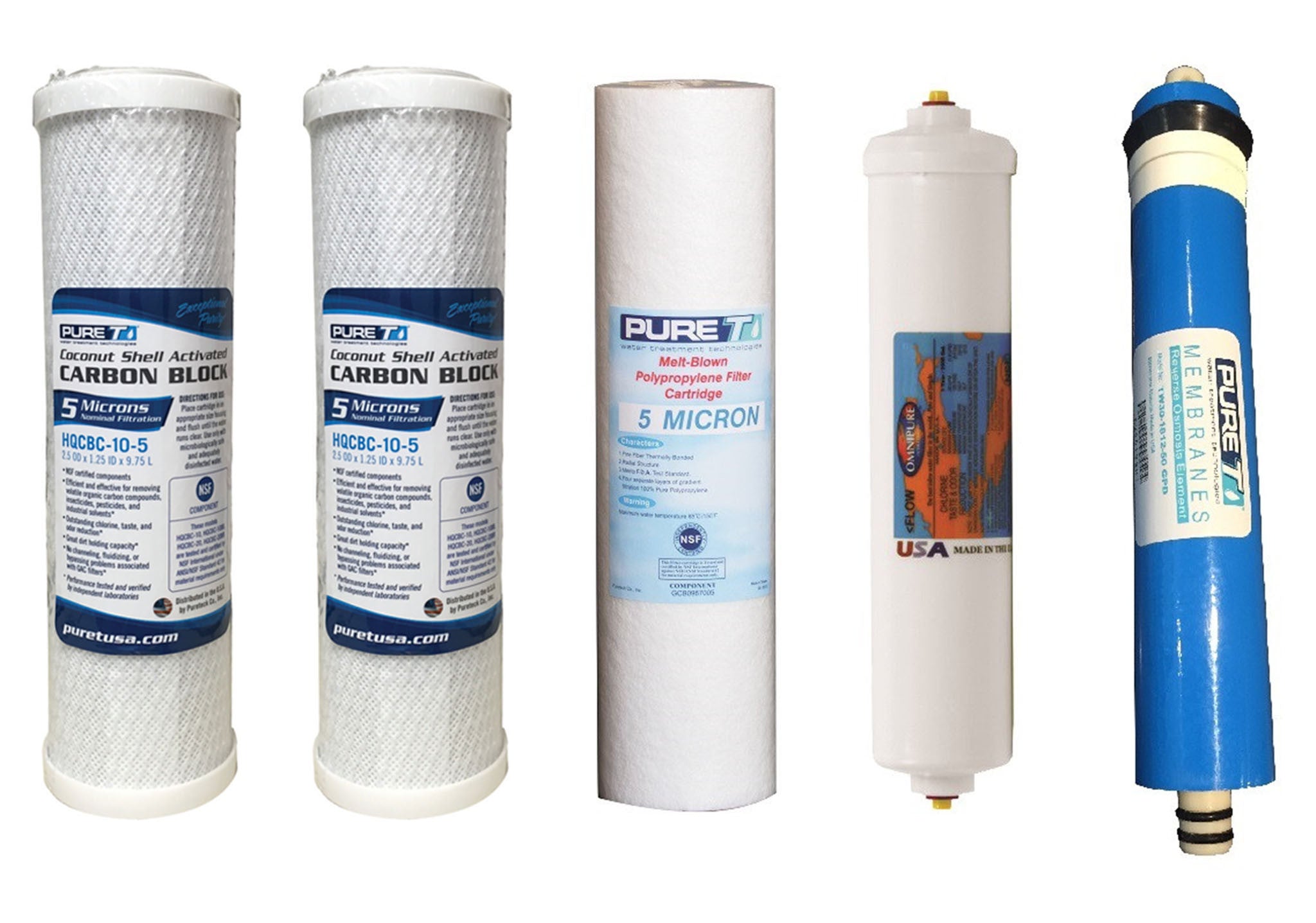 5 Stage Reverse Osmosis System Filters Replacement
The Cost vs. The Vibe
Look, we know filter replacements can feel like a sneaky subscription fee for your hydration. A pack of three might run you $30 to $60, and the membrane can hit $100. That’s money. But consider this: a single liter of premium bottled water costs about $2.00, while your filtered tap water costs pennies. You’re not saving money—you’re investing in a vibe. That vibe is “I hydrate like a CEO at home, and I don’t have to carry plastic bottles.”
Plus, there’s the environmental flex. Each filter you replace keeps dozens of plastic bottles out of the ocean. You’re basically a water ninja, saving the planet one glass at a time. And when you pour that first glass from a freshly maintained system, it’s like hearing a new song you love—everything just clicks.
The Final Sip
So here’s the simple truth: replacing your RO filters isn’t a chore. It’s a quiet, almost meditative act that says, “I value what I put in my body.” It’s the difference between just drinking water and enjoying water. When you commit to that six-month swap, you’re not just fixing a machine; you’re honoring a tiny daily ritual that makes life smoother.
Next time you take a sip, feel the cool clarity on your tongue. Notice how clean it tastes—how it doesn’t fight your coffee or your lemon slice. That’s the magic of a system that’s been loved. Go ahead, mark your calendar. Your future self… and your taste buds… will send you a thank-you note. And it will taste fantastic.
