High-capacity Automatic Filtration System

So, picture this: I’m at a friend’s backyard barbecue, and we’re all sipping lemonade from a big glass pitcher. Someone drops a cube of ice in, and—*plop*—a chunk of unwashed...
So, picture this: I’m at a friend’s backyard barbecue, and we’re all sipping lemonade from a big glass pitcher. Someone drops a cube of ice in, and—plop—a chunk of unwashed mint leaf floats right into my cup. I grimaced, fished it out, and muttered, “Why can’t life just have a built-in filter?”
Turns out, for industrial settings, that dream is very much real. Welcome to the world of the high-capacity automatic filtration system—the unsung hero that makes your mint leaf problem look like a toddler’s tantrum. (And yes, I’m still bitter about that leaf.)
What Even Is This Beast?
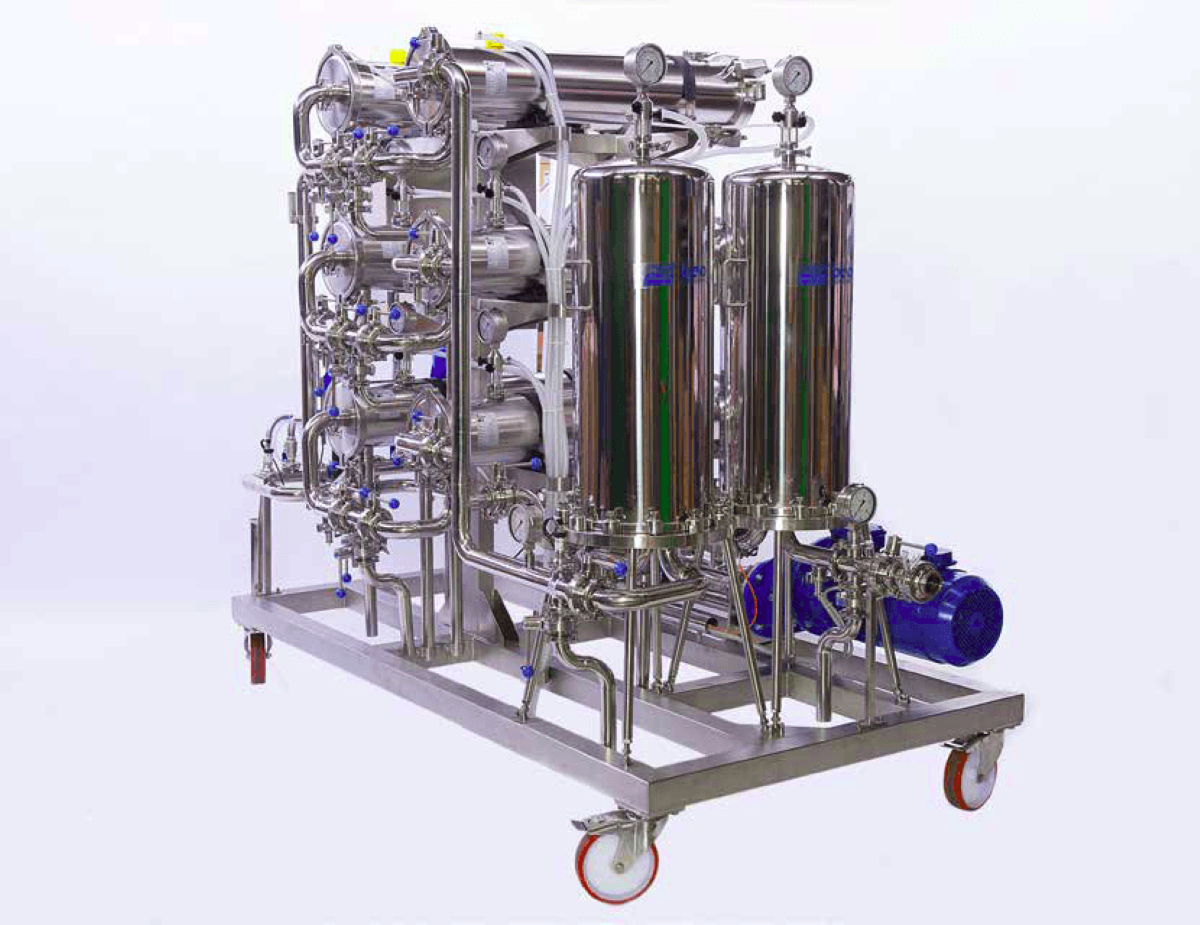
Imagine a giant, brainy sieve that never gets tired. A high-capacity automatic filtration system is exactly that: a robust, self-cleaning machine that removes massive volumes of solids from liquids—think water, oil, or chemical slurries—without you lifting a finger.
Must Read
It’s not your grandma’s coffee filter. These units handle flow rates from hundreds to thousands of gallons per minute. They’re the bouncers of the fluid world: tough, relentless, and surprisingly smart.
(Side note: if your grandma’s coffee filter could do that, she’d probably rule the world. Just saying.)
Why Go Automatic? (Spoiler: Laziness Wins)
Manual filters are like that friend who shows up late and leaves a mess. You have to stop production, pull out the dirty screen, scrub it, and put it back. Ugh, right?
With automatic systems, the backwash cycle kicks in when the pressure drops—like a robot yawning and saying, “Time for a rinse.” No downtime, no human error, and no grumpy operators. The system cleans itself in seconds, usually using reverse flow or a mechanical scraper.
And here’s the kicker: it does this while still filtering. So your process never hiccups. That’s the kind of multitasking I wish I could do on a Monday morning.
Where You’ll Find These Beasts
They’re the invisible workhorses behind your tap water, your car’s engine coolant, and even the beer at that barbecue (yes, breweries love them). In municipal water treatment, these systems filter out algae, sand, and grit before the water reaches your home.
In manufacturing, they protect sensitive equipment from scale and debris. A single clogged heat exchanger can cost a factory thousands per hour. An auto-filtration system? It’s the unsung bodyguard that keeps production lines running smoother than a jazz saxophonist.
(I once saw a video of a system filtering out fish from a river intake. Yes, actual fish. It flushed them out gently. Humane filtration—who knew?)
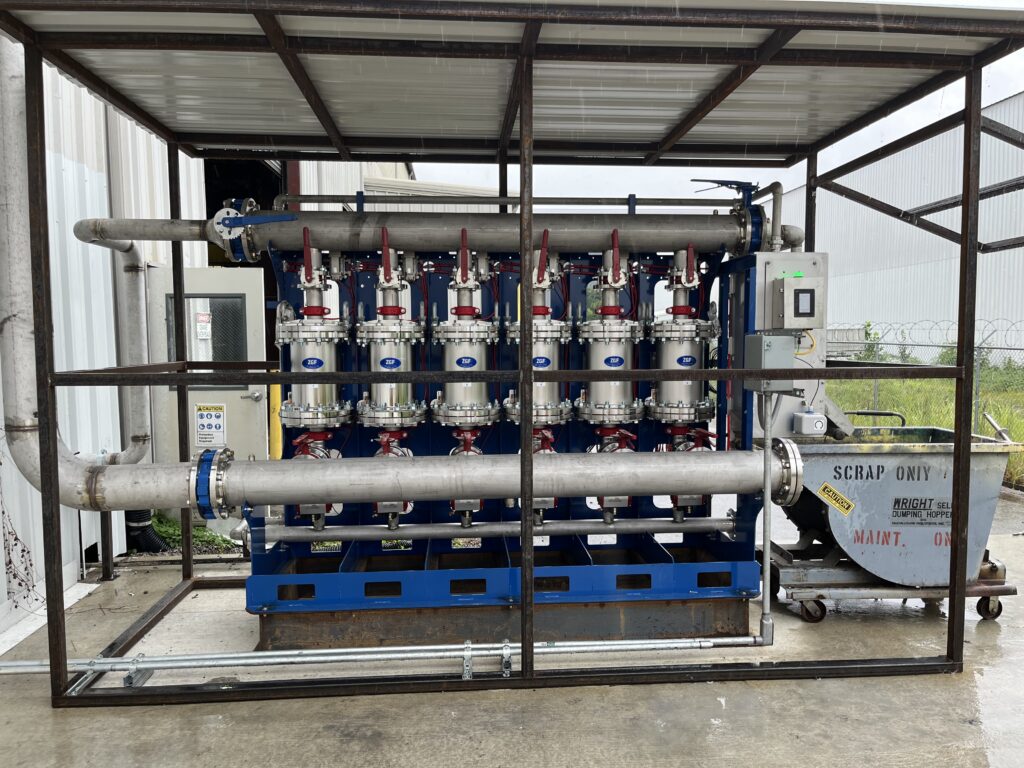 Clean-In-Place Automatic Filtration system - IEC NORTH AMERICA ( NA
The Secret Sauce: How They Think
These systems use sensors—pressure transmitters, flow meters, and even turbidity sensors—to detect when the filter is getting gunked up. It’s like a smart toilet that knows when to flush, but much more useful and less weird to talk about at parties.
Once triggered, the controller opens a valve, reverses flow, and blasts the debris into a drain or recovery tank. Some models use disc stacks that compress and release, squeezing out particles like a hydraulic handshake.
The best part? They can be set to clean on a schedule, a differential pressure reading, or even a time clock. You get to choose your level of lazy. I’m personally a fan of the “set it and forget it” approach—like a slow cooker, but for industrial fluids.
The Catch (Because There’s Always One)
Let’s be real: these systems aren’t cheap. The upfront cost can make your wallet wince. But the ROI is brutal—most plants recoup the investment in under a year through reduced labor, less downtime, and lower replacement part costs.
Also, they need a bit of maintenance for the control panel and sensors. You know, like a pet that can’t play fetch but saves you from cleaning. I’ll take that trade-off any day.
And yes, if you’re filtering something super sticky or fibrous (like pulp or algae), you might need a specialty model. But for 90% of dirty-liquid nightmares, these systems are the excalibur of filtration.
Final Thought: Your Mint Leaf Moment, Solved
Back to that barbecue: if I’d had a high-capacity auto filter for my lemonade pitcher, the mint leaf would have been flushed into a side jar before I even noticed. But more importantly, imagine a world where every messy fluid you deal with—from pool water to engine oil—is automatically squeaky clean.
That’s what this technology offers: a quiet, diligent promise that you don’t have to babysit every last particle. It’s the industrial equivalent of a house elf, minus the weird socks.
So next time you sip a crystal-clear drink, raise a glass to the automatic filtration system. And maybe dunk a mint leaf in it, just for old time’s sake. (I’ll pass, though. I’m still scarred.)
