Commercial Ultraviolet Water Disinfection

Let’s be honest: most of us don’t think about water until it tastes like a swimming pool or turns our white socks a worrying shade of rust. But lurking in that seemingly innoc...
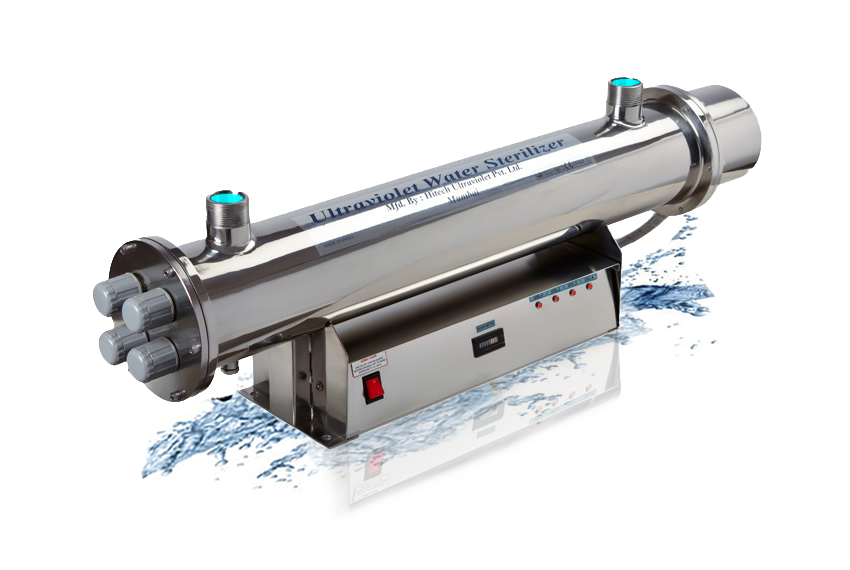
Let’s be honest: most of us don’t think about water until it tastes like a swimming pool or turns our white socks a worrying shade of rust. But lurking in that seemingly innocent glass of tap water is a microscopic mosh pit of bacteria, viruses, and parasites. You don’t want to think about them. They don’t want to be turned into tiny, crispy corpses. That’s where commercial ultraviolet water disinfection comes in, and it’s way more dramatic than it sounds.
The Sun, But Make It Industrial and Terrifying
Imagine a vacuum cleaner for germs, but instead of sucking them up, it gives them a very bad sunburn. That’s basically what UV disinfection does. Inside a metal chamber, a special lamp blasts out ultraviolet-C light—the same kind of radiation that would destroy your DNA if you stood too close to the sun without sunscreen.
For the bacteria and viruses swimming past, this light is a death ray. It scrambles their DNA so thoroughly that they can’t reproduce. They’re not killed exactly; they’re left alive but as sterile, confused little husks. It’s like giving every microbe a lobotomy with a flashlight.
Must Read
Here’s the surprising fact: this process adds zero chemicals to your water. No chlorine taste, no weird aftertaste, no mysterious “filtered” sludge. The water just passes through a tube, gets zapped, and comes out cleaner than a politician’s promise.
Why “Commercial” Sounds Boring But Is Actually a Superpower
You might be thinking, “Cool, so I can buy a UV water bottle for my hiking trip?” Sure, you can. But commercial systems are the big leagues. We’re talking units the size of a small refrigerator that treat thousands of gallons per hour. These are the bouncers for entire city water plants, juice factories, and those fancy resorts where you’re not supposed to drink the tap water anyway.
The secret is in the dose. A home wand might zap water with a weak stare. A commercial unit uses multiple high-output lamps, quartz sleeves, and computer-controlled sensors to deliver a dose of UV light so intense it would make a tanning bed blush. If you were a bacterium heading into one of these, you’d better have your affairs in order.
And get this: the EPA officially recognizes UV disinfection as a safe alternative to chlorine. That means the same technology that sanitizes your hotel ice machine is also keeping crypto (the parasite, not the currency) out of your neighbor’s kid’s sippy cup. Cryptosporidium, by the way, is a microscopic monster that’s immune to chlorine. UV light laughs at it.
The Dark Side (Literally and Figuratively)
Now, I wouldn’t be a good storyteller if I didn’t warn you about the dramatic flaws. UV light is a line-of-sight technology. If your water looks like iced tea because of mud, rust, or, sigh, sludge, the UV rays can’t see the microbes. They’ll be hiding behind dirt particles like kids playing hide-and-seek. That’s why commercial systems always start with a sediment filter—to give the UV light a clear shot.
 How UV Light Water Treatment Provides Efficient Chemical-Free
Another twist: UV doesn’t leave a “residual.” Once the water leaves the chamber, there’s nothing left to keep it clean. If you leave that disinfected water in a warm pipe for a week, bacteria can start a new colony from scratch. It’s like perfectly cleaning your house and then leaving the front door open for a week.
Oh, and the lamps? They're not cheap. A high-end commercial UV lamp costs as much as a nice dinner out and needs replacing every year. But hey, so do your water filter cartridges, and those don’t make you feel like a wizard.
The Punchline: Why You Should Care While You’re Still Alive
The next time you grab a bottle of sparkling water from a fancy brand, there’s a solid chance it was nuked by UV light before it hit the shelf. The same goes for the water in your local sushi joint’s ice machine. Commercial UV disinfection is the invisible bodyguard of modern life, standing between you and a world of gastrointestinal regret.
Consider this: the planet’s largest UV disinfection plant treats 2.2 billion gallons of water per day in New York City. That’s enough water to fill 3,333 Olympic swimming pools every single day. And all that water is being blasted by light that’s invisible to your eyes. It’s the closest thing we have to a real-life light saber that fights diarrhea.
So, the next time you pour yourself a glass of clean, clear water, give a little nod to the UV lamp working silently in the background. It might be the most boring superhero you’ve never heard of. But it’s also the only one that can make a parasite’s day truly, deeply, and permanently awful.
