Whole House Reverse Osmosis Water Filters

Let’s be honest: tap water is basically a gamble. You fill a glass, take a sip, and wonder if you’re tasting minerals or a faint hint of swimming pool. I used to think my wate...

Let’s be honest: tap water is basically a gamble. You fill a glass, take a sip, and wonder if you’re tasting minerals or a faint hint of swimming pool. I used to think my water was fine, until I moved to a house where the tap water smelled like a petri dish with a bad attitude.
That’s when I met the whole house reverse osmosis (RO) system. Think of it as a bouncer for your pipes—everything that tries to get in gets asked for ID, and if it’s not pure H2O, it’s kicked out. No more chlorine aftertaste, no funky odors, and best of all, no more buying ten different filters for your fridge pitcher.
What exactly is this magic box?
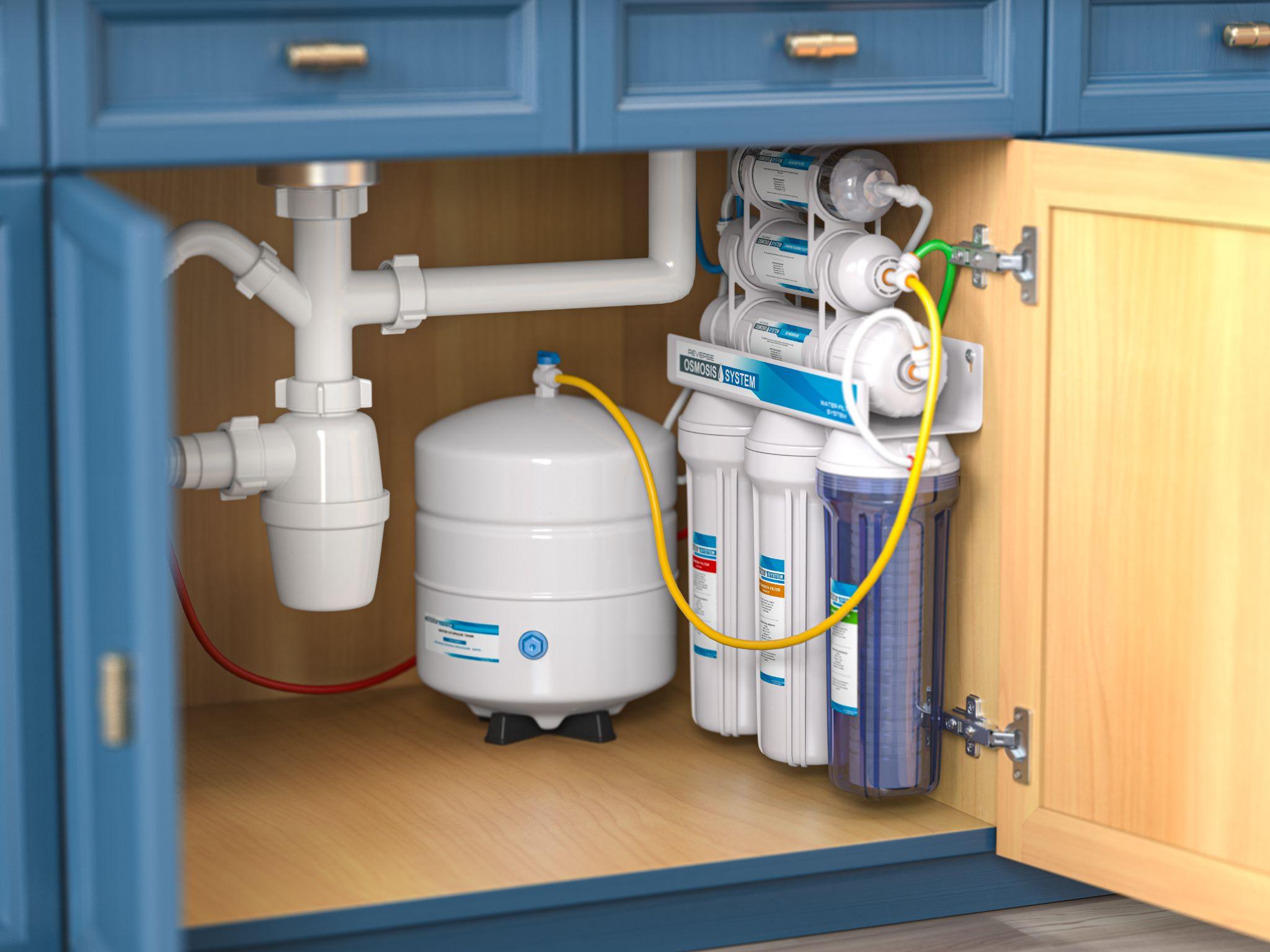
A whole house RO filter is like a miniature water treatment plant living in your basement or garage. It pushes water through a semi-permeable membrane that catches everything from lead to pesticides to that mystery brown stuff you’ve been ignoring.
Must Read
Imagine a sieve so fine it would reject a single grain of salt—that’s your RO membrane. It’s the overachiever of water filters, the kind that makes Brita pitchers look like a polite suggestion.
The “aha” moment in the shower
I’ll never forget the first shower after installation. My skin felt silky, not like I’d been wrapped in a crunchy mineral wrap. My soap lathered like I was in a shampoo commercial, and I didn’t have to scrub my hair twice to remove the “hard water” residue.
It was the same feeling you get when you finally clean your glasses after a year of smudges. Everything is suddenly clearer. My wife actually said, “Is this water… polite?” Yes. It is.
The hilarious downside (yes, there is one)
Here’s the kicker: whole house RO systems are slow. They don’t gush water like a fire hydrant; they trickle like a wise old turtle. When you turn on the faucet, you’ll wait a beat for the perfectly filtered water to arrive.
It’s like the water is saying, “Hold your horses, I’m getting perfect for you.” If you’re impatient, you’ll find yourself shouting at the sink. But the wait is worth it—like a good loaf of sourdough or a nap on a Sunday afternoon.
The “wasted” water problem
RO systems also reject some water to flush away the junk it filters. This “waste water” goes down the drain, which feels wasteful until you realize you’re not drinking fluoride. It’s like ordering a fancy coffee and leaving one sip in the cup—annoying, but the rest is glorious.
Some systems reclaim that waste water for your garden or toilet. That way, your petunias get second-hand filtered water, and your toilet water is bougier than you are.
What about the cost? (Spoiler: it’s a commitment)
Installation can run from a few hundred to a couple thousand bucks, plus filter changes every 6-12 months. But compare that to a lifetime of bottled water. You know those giant packs of plastic bottles from Costco? That’s you, crying as you recycle them.
 What Are The Causes of a Clogged Water Filter? - Christianson Air
A whole house RO system saves you from that emotional baggage. Your wallet may groan at first, but your future self—and the planet—will high-five you.
The dirty secret of “city water”
Even if your tap water passes safety standards, it’s often treated with chlorine, chloramine, and other chemicals to kill bacteria in the pipes. That’s great for public health, but terrible for your taste buds. RO strips those out, leaving water that tastes like melted mountain snow.
I once let a friend taste my tap water after installing RO. He said, “Is this Fiji? Wait, no, this is better.” I felt like a water billionaire for a moment.
The real test: coffee and ice cubes
You haven’t lived until you brew coffee with RO water. No bitterness, no weird film on top—just pure, smooth caffeine joy. And ice cubes? They’re crystal clear, not cloudy or smelly. I once left a glass of RO ice to melt overnight, and the next day it tasted exactly like fresh water.
That’s the flex: your water doesn’t go bad when it thaws. It’s water that has rested, like a fine wine for hydrators.
But is it overkill for an apartment?
If you live in a small space, a whole house system might be overkill—like buying a food truck just to make toast. In that case, look for an under-sink RO system for your kitchen. It’s the same quality without the army of plumbers.
But if you own a house and drink water like a normal human, go big. Your pipes will thank you, your skin will glow, and you’ll never sniff your glass before drinking again.
The final nudge
Look, I get it—whole house RO sounds like a hasslesome luxury. But after six months, I can’t imagine going back. No more water bottles in my car, no more “is this safe to drink?” anxiety. Just pure, boring, perfect water.
And honestly? Boring water is the best kind of water. It’s like a reliable friend who never complains, never smells, and always delivers. If that’s not worth a little plumbing, I don’t know what is.
