Reverse Osmosis Water System Installation

Let’s be honest, that glass of tap water you just poured? It might have more in it than you bargained for. I’m not talking about a friendly vitamin, but maybe some chlorine, l...

Let’s be honest, that glass of tap water you just poured? It might have more in it than you bargained for. I’m not talking about a friendly vitamin, but maybe some chlorine, lead, or that weird mineral taste that makes your morning coffee feel a bit "off." It’s like ordering a plain black coffee and getting a surprise splash of pickle juice—you didn’t ask for it, and it totally ruins the vibe.
That’s where a reverse osmosis water system comes in, like a superhero for your kitchen sink. It doesn’t just filter; it purifies. Think of it as a bouncer at the club of your glass, letting only the pure H2O molecules through while kicking out the unwanted guests like salt, fluoride, and that funky metallic aftertaste. Once you taste the difference, you’ll wonder how you ever lived without it.
What Even Is Reverse Osmosis, Anyway?
Okay, don’t let the fancy name scare you. It sounds like something from a lab, but it’s really just a clever process. Imagine you have a really, really fine strainer—so fine that only water molecules can squeeze through.
Must Read
You push your tap water through that strainer under pressure. The clean water goes into a special tank, and all the bad stuff gets washed away. It’s like the difference between a colander for pasta and a sieve for dust—this one catches everything.
Why You’ll Actually Care (In Real Life)
Let’s talk about your ice cubes. Have you ever noticed how cloudy they are? That’s trapped air and impurities. With a reverse osmosis system, your ice becomes crystal clear—like jewelry for your glass. Your iced tea suddenly tastes like the tea itself, not the water it’s made with.
And your skin? Hard water leaves a film on your shower walls and your hair. Filtered water feels softer, and your soap lathers better. You’ll feel like you’re at a spa, not fighting a losing battle against mineral buildup.
The "Scared of Installation" Lie
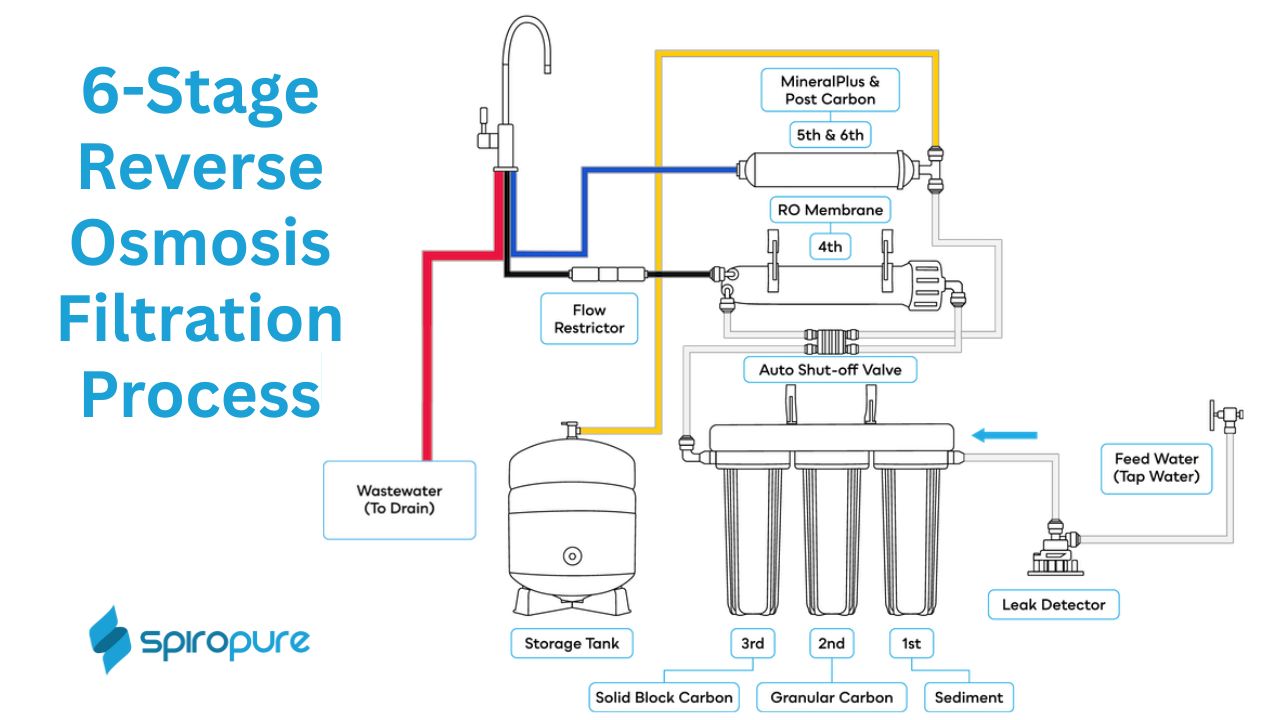
I know what you’re thinking: "This sounds great, but I’m not a plumber. I can barely hang a picture." Relax. Installing a reverse osmosis system is way easier than assembling that IKEA bookshelf you still haven’t finished. Most kits come with color-coded tubes and push‑fit connectors—no glue, no soldering, no tears.
You don’t even need to be handy. If you can change a Brita filter, you can handle this. It’s just a matter of connecting a few hoses under your sink. Plus, there are dozens of YouTube videos of normal people doing it in twenty minutes while sipping coffee.
The Hidden Benefits Nobody Talks About
Here’s the part that makes you feel really smart: you save money. Think about how many plastic water bottles you buy each month. A family of four can easily spend hundreds a year on bottled water just for drinking. A reverse osmosis system costs maybe a few hundred upfront, and then you’re making your own perfect water for pennies.
 How to Install Reverse Osmosis System | All Filters Guide
You also stop carrying those heavy gallon jugs from the grocery store. No more awkwardly hauling them up three flights of stairs while they knock your knees. Your back will literally thank you.
What About the Taste?
Let’s be real: the biggest reason you’ll love this system is the taste. Have you ever been to a restaurant and the tap water tastes like a fresh mountain stream? That’s what you get at home. Your morning orange juice will taste brighter, and your pasta will cook without that weird chlorine flavor.
I installed mine last summer, and the first glass I drank was like that first sip of water after a long run—pure, clean, and honestly a little emotional. My husband asked if I’d bought expensive bottled water. Nope. Just good plumbing in disguise.
A Few Quick Pitfalls to Skip
Before you dash off to buy a system, here’s one honest tip: the process does create a little wasted water (like a cup for every gallon you make), but it’s usually drained right into your sink. Newer systems are much more efficient. Look for one with a "permeate pump" to reduce waste.
Also, you’ll need to change the filters every six months or so. It’s a five‑minute job, like switching a light bulb. Set a calendar reminder, and you’re golden. The taste drop is obvious when it’s time to swap—don’t ignore it.
The Bottom Line, Plain and Simple
Installing a reverse osmosis system is one of those home upgrades that quietly makes every day better. It’s not glamorous like a new sofa, but you use it constantly. Every glass of water, every cup of coffee, every batch of soup—it’s all improved.
Think of it as giving your kitchen a little upgrade that says, "I care about the little things." And honestly, you deserve water that tastes as good as it looks. So go ahead, take the plunge—your taste buds (and your back) will be glad you did.
