Installation Reverse Osmosis Water Filter

Let’s be honest, tap water can be a bit of a gamble, right? One day it tastes fine, and the next it has that faint hint of swimming pool or, worse, something metallic. You fin...

Let’s be honest, tap water can be a bit of a gamble, right? One day it tastes fine, and the next it has that faint hint of swimming pool or, worse, something metallic. You find yourself buying those big plastic jugs at the grocery store, hauling them up three flights of stairs, and then feeling guilty about all that waste.
That’s where the unsung hero of kitchen upgrades comes in: the reverse osmosis (RO) water filter. It’s not as scary as the name sounds, I promise. Think of it as a very, very picky bouncer for your water glass.
What Is This Magic Box Under Your Sink?
Imagine a super-fine net that catches everything you don’t want, while letting the good stuff (just water) slip through. That’s basically what an RO system does, but it uses pressure and special membranes that are tiny—way smaller than a human hair.
Must Read
It sends your tap water through several stages, stripping out lead, chlorine, pesticides, and even those weird prescription drugs that sneak into our water supply. The result? Water that tastes like it came from a mountain spring, but came from your own faucet.
Let’s be real: you pay for water already, so why not make it taste amazing without buying a single plastic bottle?
The “Glass of Water” Test You’ll Actually Pass
Do you remember that awkward moment when a friend asks for a glass of water and you apologize in advance? “Sorry, it’s just tap water,” you say, hoping they don’t notice the chlorine smell. With an RO system, you’ll hand them a glass proudly, and they’ll ask, “Where did you get this? It’s so clean!”
I installed mine last year, and my seven-year-old, who used to refuse tap water because it “tastes like grown-up tears,” now chugs it like it’s a sports drink. That is a win you can feel good about.
Why Should You Care? (Beyond the Taste)
Look, I’m not saying your tap water is poison. Most of it is perfectly safe. But safe and delicious are two different things. Also, those little things like cloudy ice cubes or a weird film on your tea? That’s dissolved solids—calcium, magnesium, and other minerals that RO happily removes.
Your kettle and coffee maker will thank you too. Without hard minerals, you’ll say goodbye to that annoying white scale that makes your appliances look like they belong in a cave. That means your coffee machine lasts longer, and your morning brew tastes noticeably better.
And let’s not forget the planet. If you switch to an RO system, you will dramatically cut down on plastic bottles. One family can save thousands of plastic bottles a year. That’s like giving Mother Earth a little hug every time you fill your reusable bottle.
The “Installation” Part (Spoiler: It’s Easier Than You Think)
Here’s the part where most people get nervous: installation. You picture a plumber, a huge mess, and a small fortune spent. But the reality is far simpler. Many modern RO systems are designed for DIY installation—no soldering, no welding, no crying under the sink.
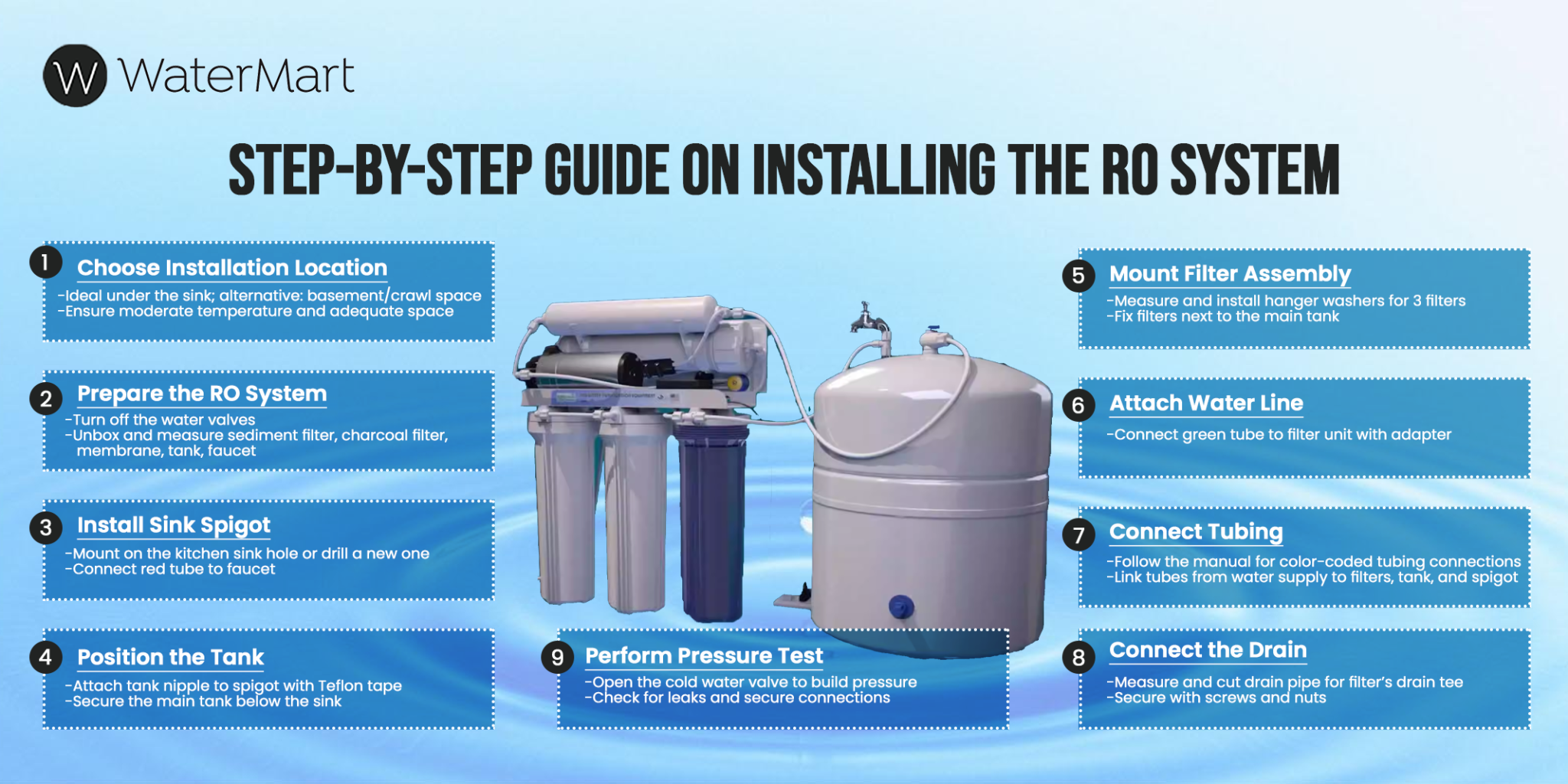 How to Install a Reverse Osmosis Water Filtration System?
You basically connect a few color-coded tubes, drill a small hole for a dedicated faucet (or use an existing one), and you’re done. I did mine in under an hour while listening to a podcast. The hardest part was figuring out which way to turn the plastic wrench. (Pro tip: lefty-loosey is your friend.)
If you’re not handy, your local hardware store or a handyman can do it in about 30 minutes. It’s not like building IKEA furniture; it’s more like hooking up a garden hose.
Does It Waste Water? Let’s Talk About That.
Ah, the “waste water” myth. Old-school RO systems did send a lot of water down the drain—like four gallons of waste for every gallon of clean water. That’s not great, especially if you pay for water and live in a dry area.
But new permeate pump models or modern “high efficiency” units are much smarter. They reduce waste to a 1:1 ratio or better. Plus, you can route that “waste” water to your garden or your washing machine. It’s not dirty; it’s just got extra minerals. Your rose bushes won’t mind one bit.
So, is it perfect? Nothing is. But for the price of a few dinners out, you get endless perfect-tasting water for years. That’s a pretty good deal for something you drink every single day.
A Final Sip of Honesty
I won’t claim that installing an RO filter will change your life. It won’t get you a raise or make your dog finally stop chewing your shoes. But it will make you feel a little bit smarter every time you fill your glass.
You’ll notice how much better your iced tea tastes. You’ll stop buying bottled water on road trips. You’ll even start bragging about it at dinner parties—seriously, I do. And honestly, in a world full of complicated decisions, choosing great water at home is one of the simplest, most satisfying things you can do.
So go ahead, give your tap a little upgrade. Your taste buds—and your reusable bottle—will thank you.
