Are Reverse Osmosis Water Filters Worth It

Let’s talk about tap water. Not the fancy bottled stuff. I mean the stuff that comes out of your faucet, possibly with a side of ancient pipe dust. You’re wondering: should I...
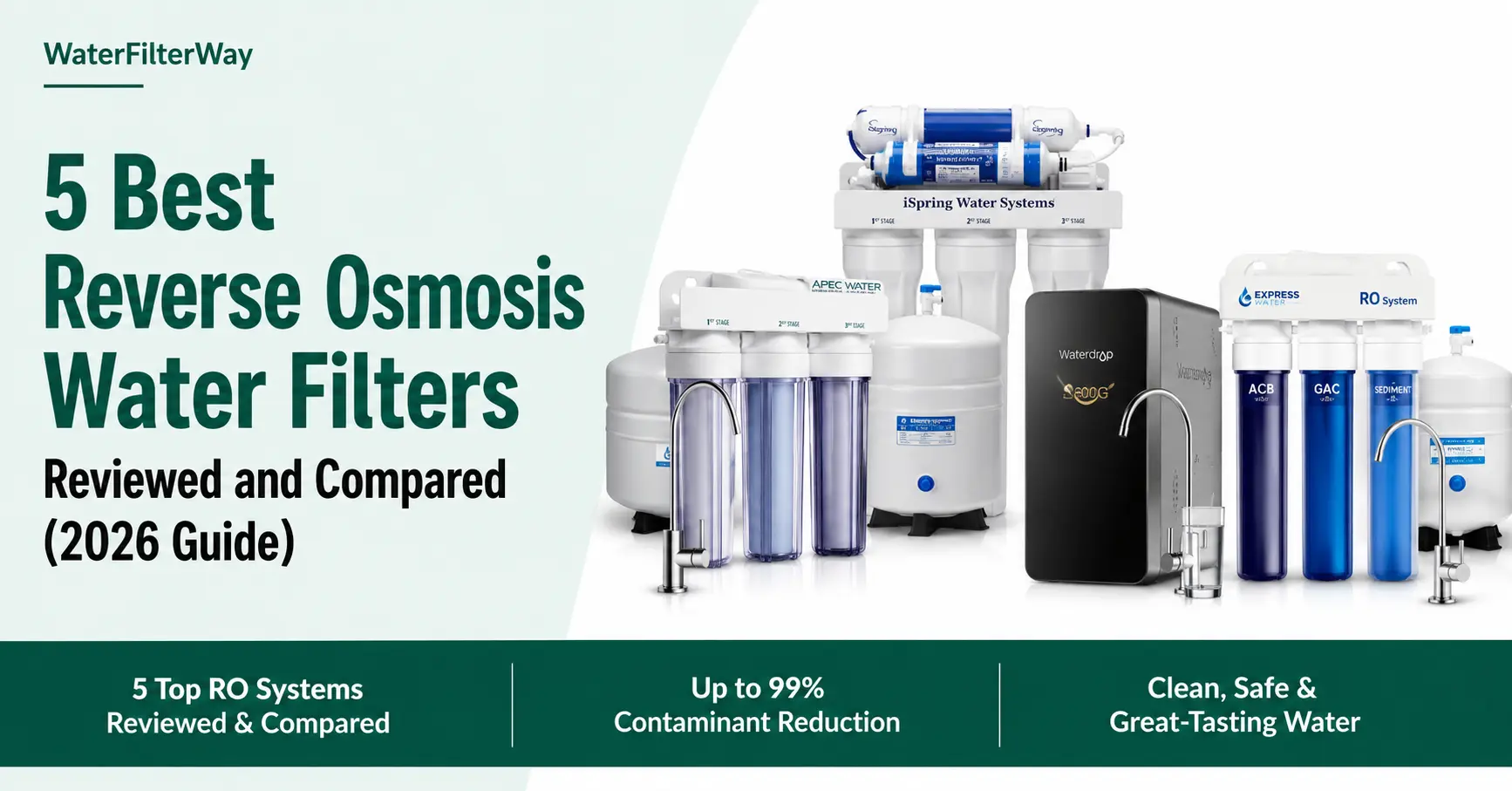
Let’s talk about tap water. Not the fancy bottled stuff. I mean the stuff that comes out of your faucet, possibly with a side of ancient pipe dust. You’re wondering: should I drop serious cash on a reverse osmosis filter?
Spoiler: it’s a wild ride. We’re about to dive into a world where water gets bullied through a membrane. It’s like a tiny, high-pressure boot camp for H2O.
The Big Squeeze: How RO Actually Works
Imagine a sieve so tight it can catch a single salt molecule. That’s reverse osmosis. It pushes water through a membrane with pores 0.0001 microns wide.
Must Read
For context: a human hair is 70 microns wide. This thing catches viruses, bacteria, lead, and even that weird taste from your neighbor’s lawn fertilizer. It’s the bouncer of water filters.
But here’s the kicker: it’s aggressive. The process wastes about 3 to 4 gallons of water for every 1 gallon it makes. Your faucet becomes a tiny water hog.
The Quirky Side Effect: “Dead” Water?
Here’s where it gets fun. RO strips out everything, including the good stuff like calcium and magnesium. Some people call it “dead” water.
Is that bad? Not really. You get more minerals from a single bite of broccoli than from a gallon of tap water. But it does taste a bit flat, like a soda that lost its fizz.
Pro tip: if you’re an RO drinker, add a pinch of salt or a mineral drop. Your taste buds will thank you. Or just eat a handful of almonds. Problem solved.
Why You Might Actually Want This Monster
If your tap water tastes like a swimming pool, RO is your new best friend. It annihilates chlorine, chloramine, and that metallic tang from old pipes.
It also nukes PFAS (those “forever chemicals” you’ve heard about). It’s one of the few home filters that can actually do that. Your kidneys will high-five you.
But here’s the funny part: you don’t need it if your water already tastes decent. It’s like buying a Ferrari to drive to the corner store. Overkill, but fun.
The Gross Truth About Your Current Water
That glass of tap water you just drank? It likely passed through a dead body at some point. Not kidding. The water cycle is wild.
RO removes the ghost of ancient dinosaurs too. Or at least the chemical traces. It gives you a blank slate—a pristine glass of H2O with zero history.
Does that matter? Only if you’re squeamish about your water’s past lives. I’m not judging. I’m just saying it’s a weird flex.
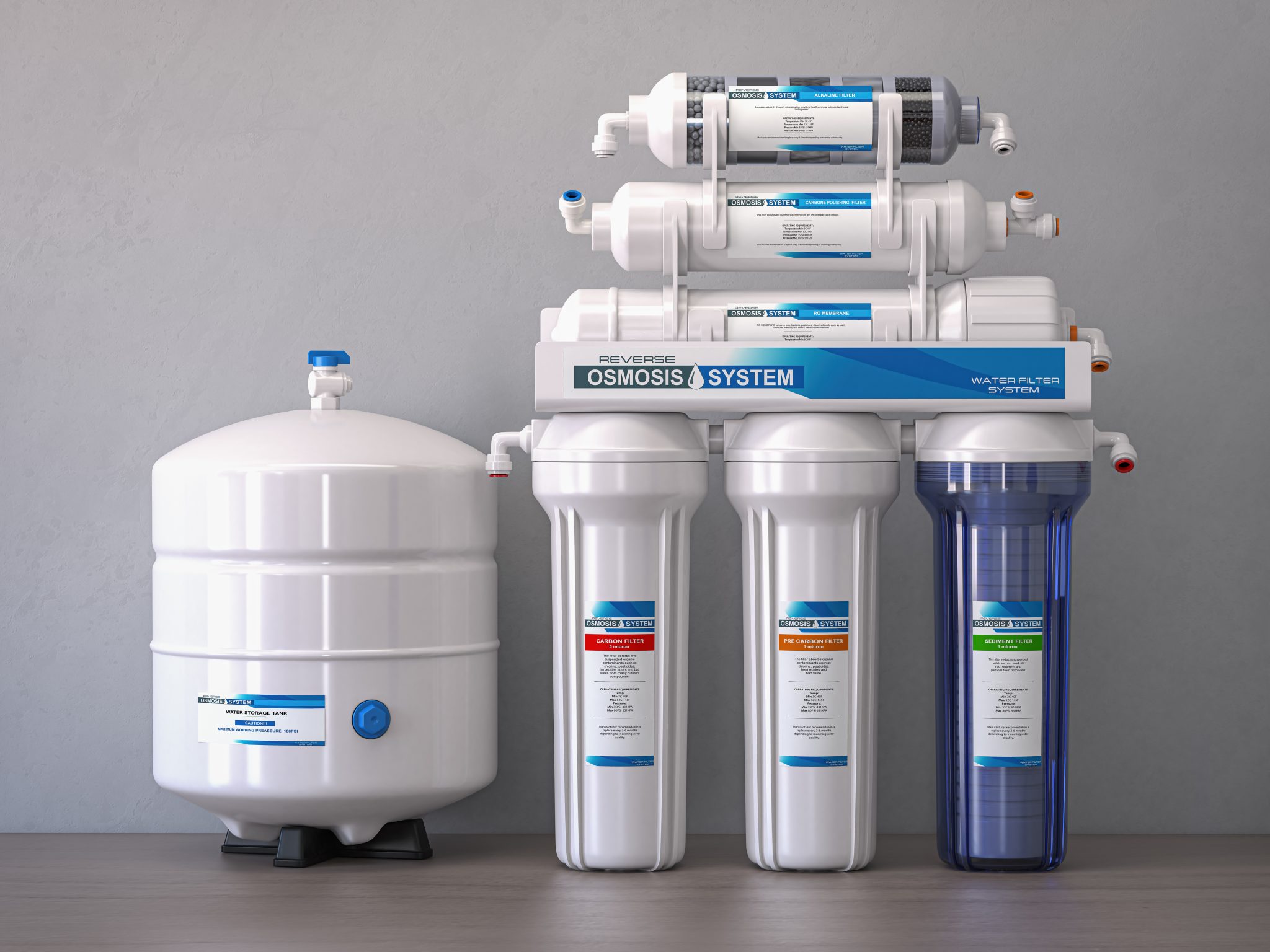 The Health Benefits of Reverse Osmosis Water Filters: What You Need to
The Real Cost: Money vs. Annoyance
A decent under-sink RO system costs $150 to $600. Replacement filters run about $50 to $100 per year. That’s a lot of tap water you could buy for free.
The installation is a pain. You’ll need to drill a hole in your counter or sink. Your spouse will sigh. “Is this really necessary?”
But once it’s done, you feel like a water wizard. You’ll pour a glass and smirk at your “normal” tap-drinking friends. It’s a status symbol for hydration nerds.
The Wasted Water Problem
Let’s circle back to the 3:1 waste ratio. If you drink 2 gallons of RO water per day, you’re tossing 6 gallons down the drain.
That’s like flushing a toilet six extra times. For the environment, it’s a facepalm. For your water bill, it’s a slow bleed.
Some systems have “permeate pumps” that reduce waste. But they’re add-ons, and they make the whole thing louder. Your kitchen will sound like a tiny spaceship.
Should You Buy One? The Unserious Verdict
Here’s the playful truth: if you’re a control freak about your water, yes. If you just want to drink something that doesn’t taste like a pool toy, buy a $30 Brita.
RO is for people who love gadgets. It’s a conversation starter. You’ll say, “Oh, this? It’s reverse osmosis. It removes 99% of contaminants.”
Your guests will nod politely while thinking, “This guy is weird about water.” But you’ll know the truth: you’re drinking the purest, most boring, most aggressively-filtered H2O on Earth.
Final Weird Fact
NASA uses reverse osmosis to recycle astronaut pee. That fact will haunt you the next time you sip from your shiny new faucet. Or empower you.
Because if it’s good enough for space pee, it’s good enough for your morning coffee. And honestly? That’s a pretty fun reason to buy one.
So, is it worth it? Only if you enjoy the journey of extremely clean water. The taste is a science experiment. The waste is a guilty pleasure. And the bragging rights? Absolutely priceless.
