How Long To Boil Something To Sterilize It

So, you’re staring at a pot of water, wondering how long to boil something to really, truly sterilize it. Maybe it’s a baby bottle, a canning jar, or that questionable spoon y...
So, you’re staring at a pot of water, wondering how long to boil something to really, truly sterilize it. Maybe it’s a baby bottle, a canning jar, or that questionable spoon you dropped on the floor. We’ve all been there, right?
First, let’s get one thing straight: boiling doesn’t kill everything. Sorry to burst your bubble. It knocks out most bacteria, viruses, and fungi, but some hardy spores (like Clostridium botulinum, the nasty stuff in bad canned food) can survive a good rolling boil. For most home scenarios, though, you’re fine.
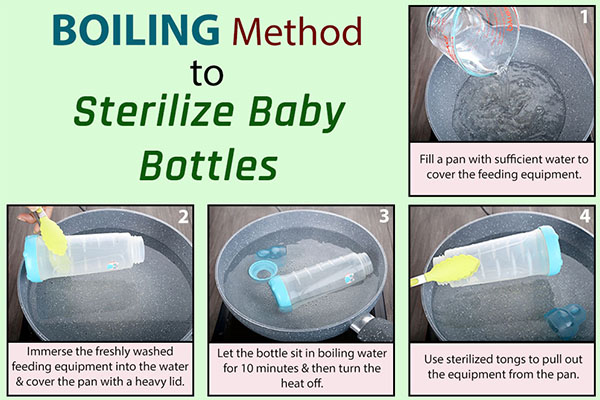
The magic number? Boil for at least 10 minutes at a full, vigorous rolling boil. That’s the sweet spot for killing the usual suspects. But here’s the thing: altitude matters. If you’re up in the mountains (say, Denver), water boils at a lower temperature, so you need longer—like 15 to 20 minutes.
Must Read
But what are you actually boiling?
Not all items are created equal. Are you boiling a glass baby bottle? Great. A metal spoon? Fine. A wooden cutting board? Please don’t. Wood and plastic can warp, crack, or release chemicals, so stick to metal, glass, or heat-safe silicone.
Also, don’t just drop things in like you’re making soup. Submerge them completely. Air pockets are the enemy. We want every surface to hit that hot water baptism. Use a pot large enough that the items aren’t crowded.
What about a quick dip? Like, “I’ll just swish this in boiling water for 30 seconds”? Good for a rinse, not for sterilization. Bacteria laugh at 30 seconds. They do jazz hands. Give them the full 10-minute boil or nothing.
Real talk: Do you even need to sterilize?
For daily life, washing with hot, soapy water is usually enough. Your immune system is not a delicate flower. Unless you’re dealing with raw milk, canning low-acid foods, or a newborn baby’s bottle, you can chill out. Sterilization is for labs and extreme anxiety, not your coffee mug.
But if you’re prepping for camping, making kombucha, or just paranoid about that one dish your friend brought over? Boil it. 10 minutes minimum. And for heaven’s sake, let it air dry on a clean towel—don’t wipe it with a rag you found under the sink.
:max_bytes(150000):strip_icc()/how-to-sterilize-canning-jars-1327595_FINAL1-5be49e0446e0fb0026f79c04.png) How To Sterilize Mason Jars: Safe Canning Starts Here (Boiling & Oven
How To Sterilize Mason Jars: Safe Canning Starts Here (Boiling & Oven
Oh, and speaking of timing: start the timer after the water hits a full boil. Not when you see bubbles. Not when you turn the stove on. Patience, grasshopper.
What about using a dishwasher?
Dishwashers with a sanitize cycle can also sterilize, usually at 150°F (65°C) or higher. But a boil is simpler and cheaper. Plus, you get to feel like a mad scientist staring at a hissing pot. Win-win.
One more thing: boiling doesn’t make something “sterile” forever. The moment it touches the air, a countertop, or your grubby mitts, it’s no longer sterile. So if you’re sterilizing for a specific task (like canning), use it immediately. Otherwise, you’re just playing pretend.
So, to sum it up: boil for 10 minutes at full rolling boil, submerge everything completely, and adjust for altitude. Don’t overcomplicate it. And unless you’re in a clinical setting, don’t stress if you miss a second or two. Your kitchen is not a cleanroom—and that’s okay.
Now go boil something. Or just wash it. Either way, you’re fine. But do set a timer, because you will absolutely forget and discover a shriveled rubber band floating in your pot an hour later. Trust me.
