What Breaks Down Calcium Deposits In Pipes

Ever peeked inside a faucet aerator and found a crusty, white buildup that looks like tiny stalactites? That’s calcium deposits, also known as limescale, forming a stubborn li...
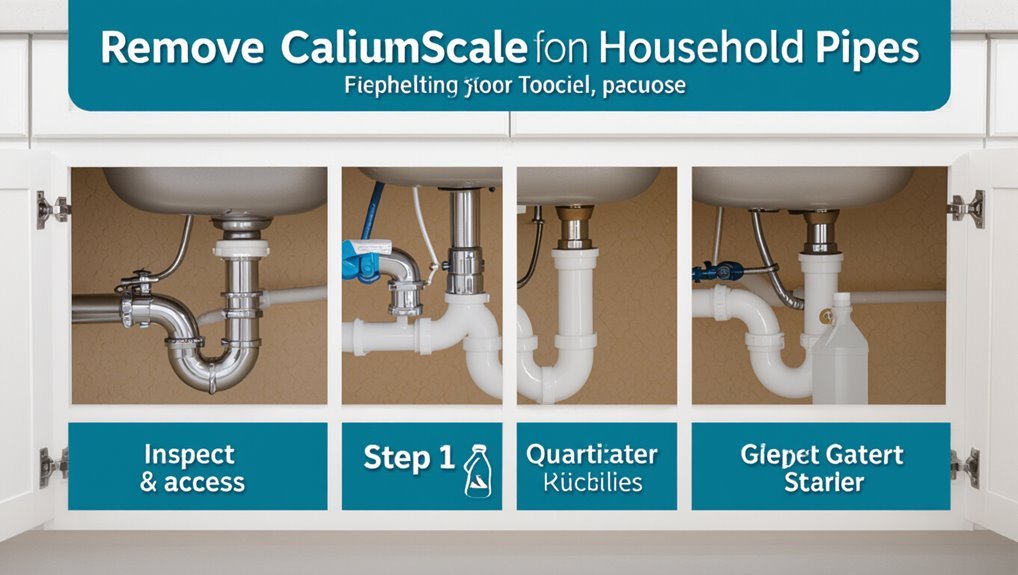
Ever peeked inside a faucet aerator and found a crusty, white buildup that looks like tiny stalactites? That’s calcium deposits, also known as limescale, forming a stubborn little fortress inside your pipes. It’s the solid ghost of hard water, left behind when water evaporates or heats up. And honestly, it’s both fascinating and a total pain.
But here’s the real question: what actually breaks down this rock-like intruder? You might imagine a superhero acid or a powerful industrial solvent, right? The truth is simpler, a little more clever, and involves some everyday chemistry that’s pretty cool to understand.
The Main Attacker: Acid (But Not the Scary Kind)
The most effective weapon against calcium deposits is acid. Before you picture a mad scientist, think of things like vinegar or lemon juice. These are mild acids, perfectly safe for most metal pipes when used briefly, but absolute kryptonite for calcium.
Must Read
Here’s how it works: calcium scale is basically calcium carbonate, the same stuff that makes up chalk and sea shells. When an acid touches it, a chemical reaction happens. The acid “eats” the calcium, turning it into a soluble, water-soluble compound that just washes away. Poof, no more crust.
It’s like watching a magic trick where a solid disappears into thin (well, liquid) air. That satisfying fizz you hear when you pour vinegar on baking soda? You get a similar fizz when vinegar attacks calcium scale. Science is just cool like that.
Thermal Shock: Hot Water’s Secret Power
Heat alone doesn’t break down calcium, but it can help loosen its grip. When you flush a system with very hot water—near boiling—the metal pipe expands ever so slightly. Think of it as a tiny, slow-motion stretch.
This expansion can crack the bond between the scale and the pipe wall. It’s like trying to pull a tight ring off a finger after you’ve run your hand under warm water. The scale doesn’t dissolve, but it gets weaker and more likely to break apart.
Follow that hot water flush with an acid soak, and you’re using a one-two punch. Heat weakens the structure, then the acid dissolves the pieces. It’s a brilliant team-up, like a buddy cop movie for plumbing.
Mechanical Force: The Old-Fashioned Way
Sometimes, chemistry needs a little brute force. If the deposit is thick like a rock, you might need a pipe snake or a specialized tool called a scale scraper. This is literally scraping the calcium off, like chipping ice off a windshield.
For smaller jobs, a stiff brush or even a flushing tool that sends pressurized water down the line works wonders. It’s not as elegant as chemistry, but it’s brutally effective when you have a stubborn clog.
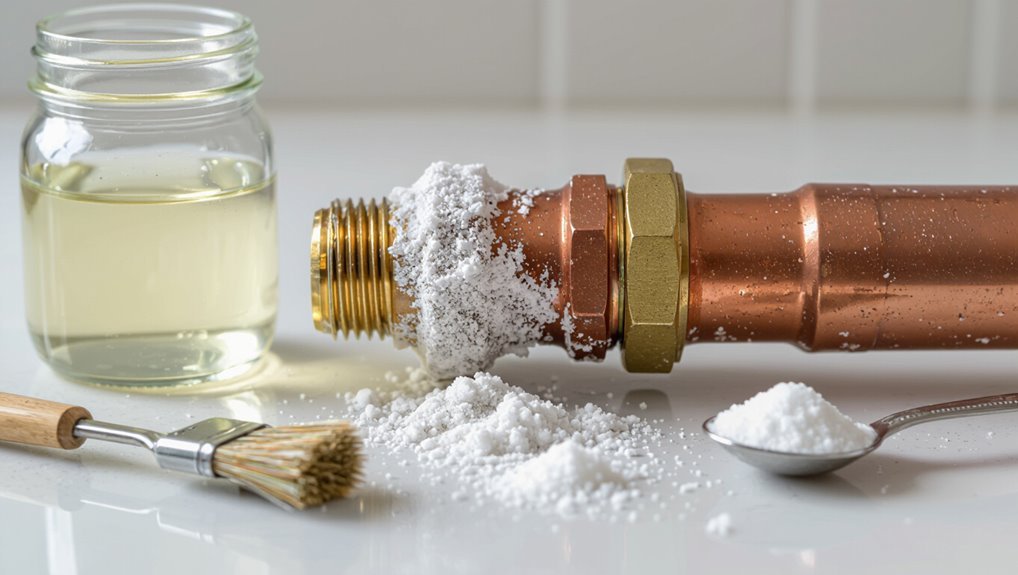 What Breaks Down Calcium Deposits in Pipes? Quick DIY Fixes & Tips
Think of it as plumbing physical therapy—you’re manually breaking up the calcified joints so the system can flow freely again. It’s not glamorous, but it gets the job done.
Chemical Descaling: The Heavy Hitters
For pipes inside a whole-house system, like a hot water heater or a boiler, people use commercial descaling solutions. These are often stronger acids, like sulfamic acid or citric acid in concentrated form. They work way faster than vinegar.
You pour the solution into the system, let it circulate for a while, and then flush it out with fresh water. The calcium dissolves into a harmless slurry that flows out with the drain. It’s like giving your pipes a chemical bath.
Fun fact: some coffee machines and kettles use a descaling cycle with a similar chemical. So the same stuff that unclogs your pipes also saves your morning espresso. Neat, right?
Why It’s Actually Kind of Awesome
Here’s the surprising part: calcium deposits aren’t all bad. In ancient Roman aqueducts, they built up so thick they actually protected the lead pipes from poisoning the water. The scale acted like a natural lining. History is weirdly wise.
But in your home, that same scale reduces water flow, wastes energy, and can ruin appliances. Knowing what breaks it down—whether it’s a mild acid from your kitchen or a hot water flush—turns a frustrating problem into a little science experiment.
So next time you see that white crust, don’t just curse it. You now know its weakness. You have the power of chemistry and a little elbow grease. And honestly, isn’t it satisfying to watch that stubborn stuff just dissolve away? Yeah, I thought so.
