Which Is The Safest Bottled Water To Drink

You’re standing in the water aisle, staring at a wall of plastic bottles. Spring water, purified, alkaline, maybe something from a remote island in Fiji. It’s oddly overwhelmi...

You’re standing in the water aisle, staring at a wall of plastic bottles. Spring water, purified, alkaline, maybe something from a remote island in Fiji. It’s oddly overwhelming, right? You just want a sip of something safe, but the options make it feel like you’re choosing a car, not a drink.
Here’s the chill truth: the safest bottled water isn’t one brand—it’s a combination of what’s inside the bottle and how it got there. Think of it like comparing a cozy coffee shop to a high-end espresso machine. Both give you caffeine, but the experience and quality can be wildly different.
What Does "Safe" Even Mean?
First, let’s clear the air. Safe water doesn’t mean it’s just free of bacteria. It also means low levels of microplastics, minimal heavy metals, and no scary chemical additives. That’s the holy grail, and it’s surprisingly hard to find in many big brands.
Must Read
Did you know that some of the most popular "spring" waters are actually treated with reverse osmosis? That’s not bad, but it strips out natural minerals, making the water a bit flat. You might be paying for a brand name, not necessarily for purity.
The Microplastic Elephant in the Room
Here’s where it gets wild. A 2018 study shocked everyone by finding microplastics in 93% of bottled water samples tested. Yep, even the fancy glass-bottle brands had some. It’s like finding a grain of sand in your sushi—annoying, but not the end of the world.
So, glass bottles are your best friend here. Water in glass is far less likely to have leached plastic particles. And if you’re buying plastic, look for BPA-free and avoid leaving the bottle in a hot car. Heat is the enemy of safety.
Brands That Actually Walk the Walk
If you want a solid recommendation, start with Mountain Valley Spring Water. It’s been around since 1871, comes in glass, and has a naturally balanced mineral profile. It’s the vintage record player of waters—classic, reliable, and surprisingly cool.
Another quiet hero is Fiji Water. Wait, don’t groan yet. Yes, it’s fancy and expensive, but it’s naturally filtered through volcanic rock, which gives it a silky texture and zero hint of plastic taste. The silica also adds a gentle sweetness. It’s like the water version of a fine olive oil.
For something budget-friendly, Poland Spring or Evian are safe choices, though they’re usually in plastic. Their filtration standards are solid, but they still carry that microplastic risk. Think of them as the reliable used car—gets you from A to B, but not luxury.
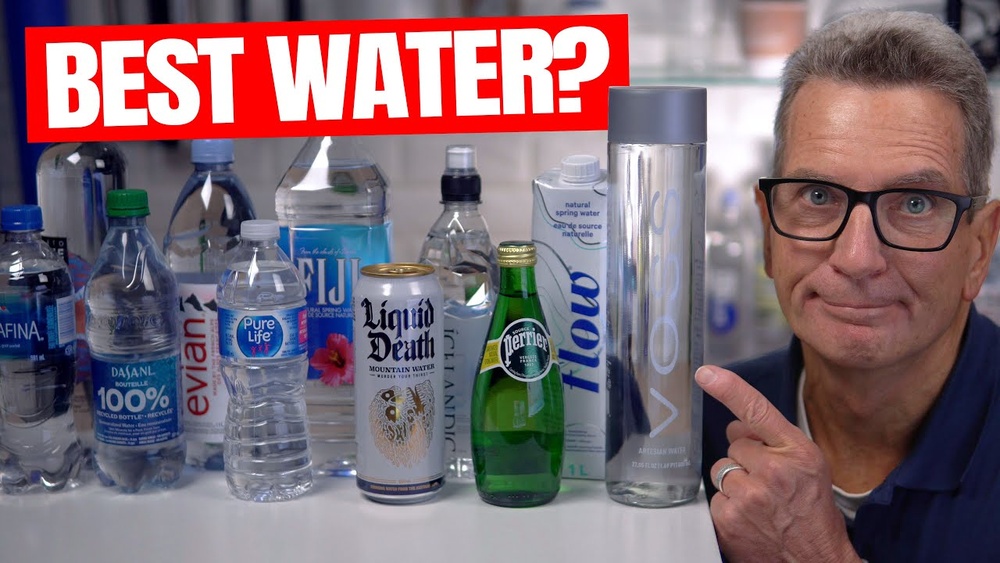 What Is The Safest Water To Drink: Ultimate Guide To Pure Hydration
What About Tap Water?
Let’s be honest for a second: tap water is often safer than bottled. In the U.S. and Europe, tap is tested way more frequently. But it can taste like a swimming pool due to chlorine. That’s why some people prefer bottled—it’s about taste and convenience, not just safety.
If you’re really curious, buy a simple activated carbon filter pitcher for your tap. It removes chlorine and some heavy metals for pennies per gallon. That’s the ultimate "safest water" hack—and it’s probably already running through your kitchen sink.
The Fun Comparison: Water as a Sneaker
Think of bottled water like sneakers. Basic running shoes (like Nestlé Pure Life) get the job done. Mid-range (like Smartwater) has a cool vibe but no extra features. Then you’ve got the premium kicks (Mountain Valley or Fiji)—they cost more, feel smoother, and last longer in the fridge without getting weird.
But here’s the twist: the safest water isn’t always the most expensive. It’s the one that’s tested independently and stored properly. Some tiny brands from local springs beat big names on purity because they don’t sit on pallets for months.
A Quick Checklist for Your Next Purchase
When you grab a bottle, spin it around. Look for a label that says "source" and a location. If it’s vague (like "bottled at a municipal source"), skip it. Also, check the pH level—neutral (7) or slightly alkaline (8) is fine.
Finally, don’t stress. Drinking any reasonable bottled water is safer than not hydrating at all. You’re doing great. But if you want to level up, opt for glass or a reusable stainless steel bottle with filtered tap water. That’s the real MVP.
So, which is the safest bottled water to drink? It’s the one you trust—and the one that came out of a clean source, in a glass bottle, without sitting in a warehouse for a year. Or, you know, just fill up from your fridge filter. Either way, your body will thank you.
