Reverse Osmosis Filter System For Aquarium

So, you’ve got an aquarium. Maybe it’s a humble bowl with a disgruntled betta, or a massive glass box that makes your living room look like a submarine’s lounge. Either way, y...
So, you’ve got an aquarium. Maybe it’s a humble bowl with a disgruntled betta, or a massive glass box that makes your living room look like a submarine’s lounge. Either way, you’ve probably noticed that water isn’t just water when it comes to fish. It’s a chemical cocktail of drama, poop, and regret.
Enter the Reverse Osmosis (RO) Filter System. It sounds like something a mad scientist would build to turn seawater into purple goo. But I promise, it’s way cooler—and far less sticky. This gadget is the fancy water sommelier your fish never knew they needed.
What the Heck Is Reverse Osmosis?
Imagine you’ve got a colander full of pasta. Now imagine pushing the pasta back through the holes. That’s basically reverse osmosis, except the pasta is dissolved junk like nitrates, phosphates, and that weird tap water smell. The system uses a special membrane with holes so tiny, only pure H₂O squeezes through.
Must Read
Fun fact: those membranes have pores about 0.0001 microns wide. That’s smaller than a virus. A single strand of your hair is 20,000 times thicker. It’s like trying to get a raccoon through a keyhole—except the raccoon is a dissolved mineral, and the keyhole is impossibly small.
Why Your Fish Are Water Snobs
Tap water is a chemical circus. Cities add chlorine, chloramines, and sometimes secret ingredients that make your aquarium look like a crime scene. Your fish don’t want to swim in a swimming pool for humans—they want pristine, ancient-rainwater vibes.
Reverse osmosis removes up to 99% of contaminants. That includes heavy metals, pesticides, and even that trace of last week’s coffee you rinsed down the sink. Your fish will be so happy, they might start wearing tiny monocles and complaining about organic shrimp prices.
The "Zero" Problem (Surprise!)
Here’s the hilarious catch: pure RO water is too clean. It’s like giving your fish a lifelong bath in distilled silence. No minerals means unstable pH and zero buffering capacity. If you add RO water straight to a tank, your fish would look at you like you just served them a glass of nothing.
So you remineralize it. It’s like making instant soup—add a packet, stir, and boom: perfect Amazon river water. Many pro aquarists mix RO water with tap water at a 50/50 ratio. That’s the sweet spot where your fish get the purity without the existential crisis.
The Gear: A Water-Makin’ Rube Goldberg Machine
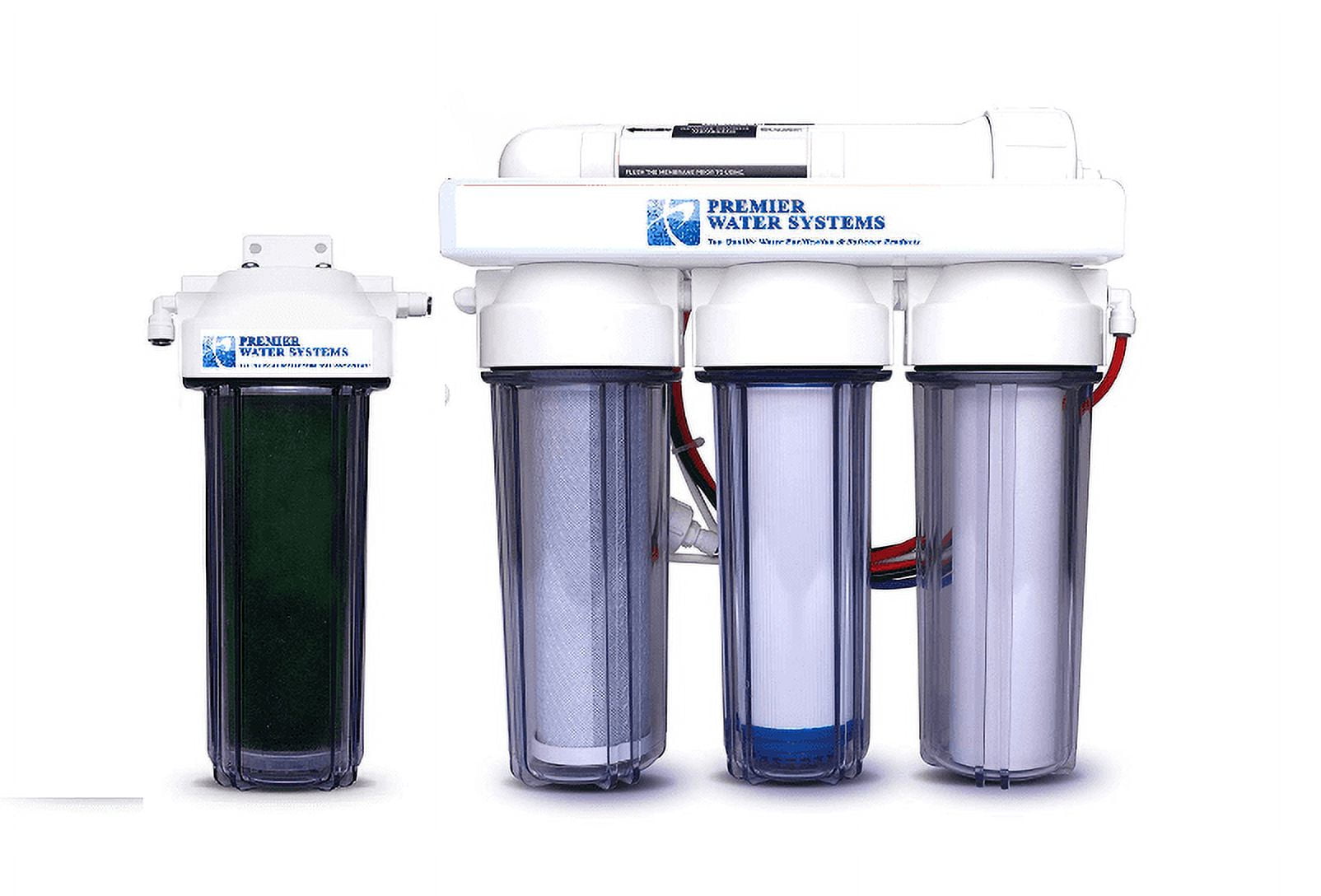
A typical RO system has four stages. First, a sediment filter catches sand and rust—like bouncers at a club for dirt. Then a carbon filter zaps chlorine, which smells like a pool but kills your filter bacteria. Then comes the membrane, the diva of the show. Finally, a polishing filter catches any stragglers.
For every 4 gallons you make, you get 1 gallon of pure water and 3 gallons of reject water. That’s a lot of waste, but you can use that reject water for watering plants—your ferns will be thrilled, even if your fish are judgmental.
 Amazon.com: Geekpure 3 STAGE Portable Aquarium Reverse Osmosis RO
Is It Worth the Fuss?
If you keep discus, crystal shrimp, or any fish that require a pristine pH of 6.5 and a therapist, yes. An RO system costs around $100 to $300. That’s less than the price of a single dead, dramatic arowana you could accidentally kill with tap water.
But if you’re just keeping hardy guppies or a goldfish that eats its own poop, save your cash. Those fish are basically the cockroaches of the aquatic world—they’ll survive in a muddy puddle behind a gas station.
The Real Joke
The most surprising fact? Even if you use RO water, you still need to do water changes. The fish will still produce waste, and the tank will still smell like sea monkey armpits. The RO system just makes the new water perfect. It’s like buying a brand-new pair of socks every morning, but your feet still get sweaty by noon.
Still, for the obsessed aquarist, it’s a game-changer. You’ll watch the RO water drip, drip, drip into a jug, and you’ll feel like a wizard who just summoned pure liquid from the void. Plus, you can brag about your water’s TDS (Total Dissolved Solids) being lower than your friend’s emotional maturity.
Should You Try It?
If you’re ready to become a water purification nerd, go for it. Start with a simple .5-stage system (that’s a real name, I promise) and a small faucet adapter. You’ll make 5 gallons per day, which is enough for a 20-gallon tank with weekly changes.
Just remember: the machine will annoy your roommates with its constant dripping and produce jugs that look like they belong in a lab. But your fish? They’ll be swimming in liquid perfection, doing little backflips of joy. Or maybe that’s just a bubble. But hey—it’s your aquarium. Live the dream.
Now go forth and filter. Your fish are counting on you, and they can’t afford therapy.
