Uv Water Treatment For Desalination Plants

You know that feeling when you’re at the beach, you take a big gulp of seawater by accident, and your whole mouth just goes blech? It’s salty, gritty, and absolutely undrinkab...
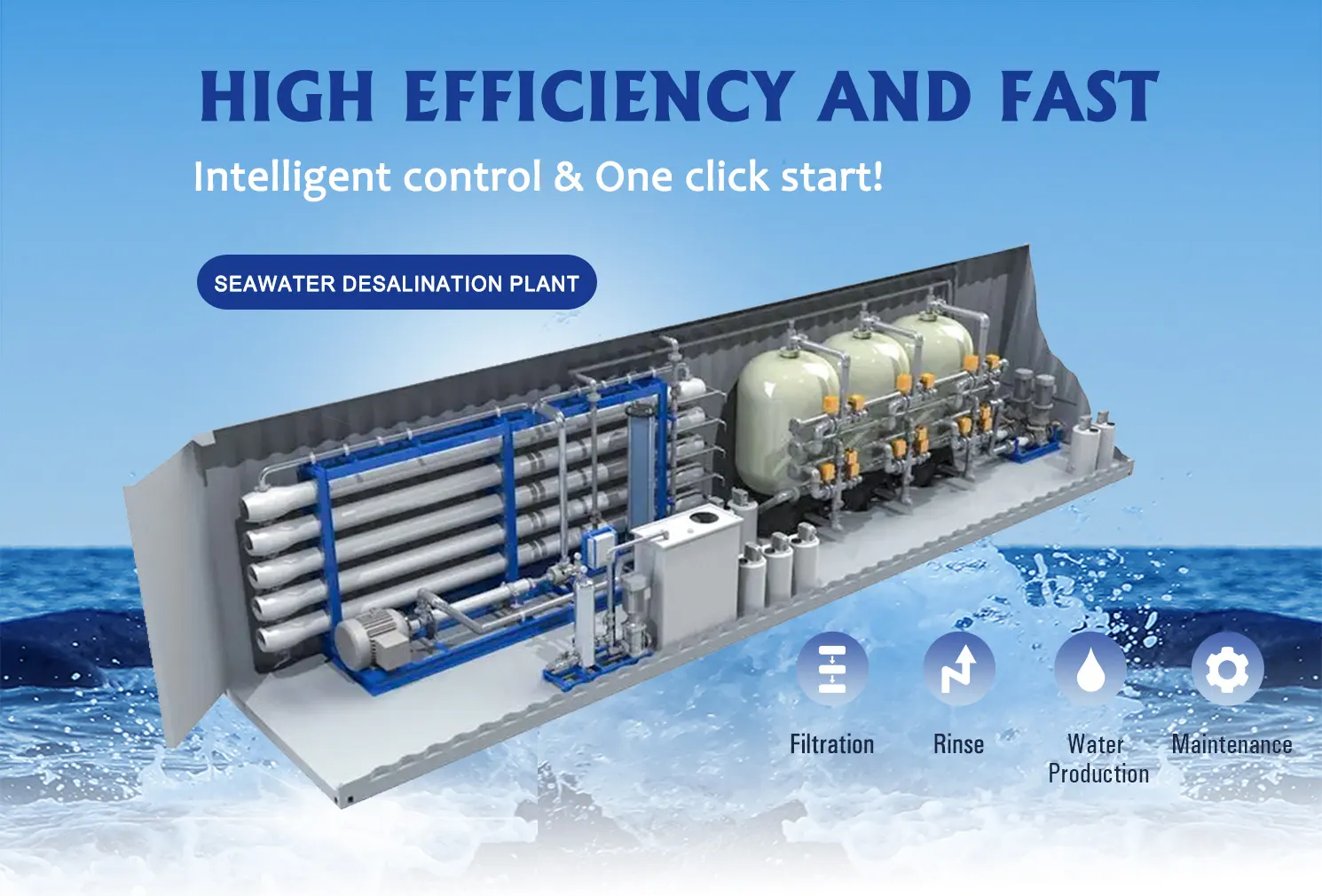
You know that feeling when you’re at the beach, you take a big gulp of seawater by accident, and your whole mouth just goes blech? It’s salty, gritty, and absolutely undrinkable. Well, that’s basically the problem our planet faces every single day. Desalination plants are the superheroes that turn that ocean mess into clean, fresh water for millions of people.
But here’s the thing: making seawater safe isn’t just about boiling it or forcing it through a fancy filter. It’s also about killing the nasty little hitchhikers—bacteria, viruses, and algae—that love to party in your water glass. That’s where UV water treatment comes in, and it’s way cooler than it sounds.
Wait, what is UV treatment exactly?
Imagine the sun. You know how a bad sunburn can ruin your whole weekend? Ultraviolet (UV) light works the same way, but it’s a secret weapon for tiny germs. Instead of frying your skin, it fries the DNA of bacteria, leaving them completely harmless.
Must Read
It’s like a bouncer at a club who just zaps any troublemaker on the spot. No chemicals, no weird aftertaste—just pure, clean water that’s safe to drink. Pretty neat, right?
Why not just use bleach like we do in pools?
That’s a fair question! Chlorine and other chemicals are great at killing germs, but they can leave behind a funky smell and sometimes create nasty by-products. Think about the last time you swam in a heavily chlorinated pool—your eyes stung, and your swimsuit smelled funny for days.
UV treatment skips all that drama. It’s like the difference between dousing your salad in heavy dressing and just giving it a quick rinse. Both get the job done, but one leaves you feeling a lot fresher and more natural.
A little story from your kitchen sink
Let’s get relatable for a second. You know how you run your tap water through a Brita filter to make your morning coffee taste better? Desalination plants do a similar thing, but on a massive scale. The main step is pushing seawater through special membranes (reverse osmosis) that catch the salt.
But here’s the catch: those membranes are sensitive. If even a tiny microbe sneaks through, it can grow a slimy biofilm that clogs everything up. That’s like leaving a dirty sponge in your sink overnight and coming back to a science experiment. Gross. UV light zaps those microbes before they can even think about clogging the works.
So, UV treatment acts like a pre-game security check. It makes sure the water is clean before it even hits the fancy salt-removal machines. This keeps the whole plant running smoothly and stops expensive breakdowns.
But does it really matter to me?
If you live anywhere near a coast—say, California, Australia, or the Middle East—you probably drink desalinated water without even knowing it. That glass of ice water you grab on a hot day? It might have started its life as a wave in the ocean.
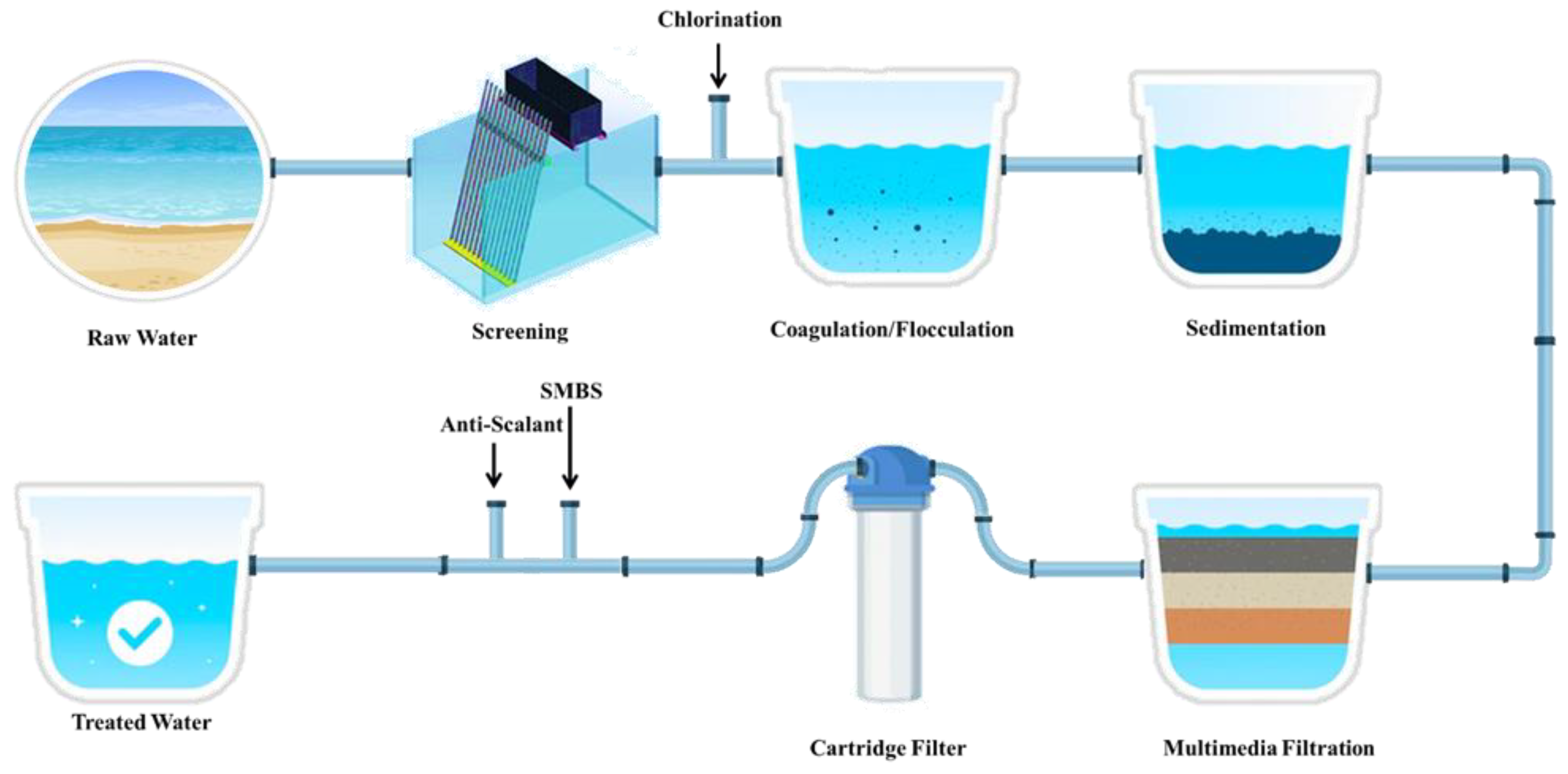 Pretreatment Water Media Filter For Uv Schematic Diagram Efficient
And here’s the warm, fuzzy part: UV treatment is incredibly gentle on the planet. It uses less energy than heating water, and it doesn’t pump harmful chemicals back into the sea. Marine life like fish and coral don’t get stressed out by it. It’s like choosing a reusable water bottle over a plastic one—small choice, big impact for our blue planet.
Comparing it to your morning routine
Think of UV treatment as the quiet hero in your house. You don’t see it, but you trust it. It’s like the smoke alarm that never goes off, or the fridge hum that keeps your milk cold. You only notice it when it’s not working.
Without UV, desalination plants would have to use three times more chemicals to keep water safe. That means more truckloads of chlorine delivered, more plastic waste, and a slightly weird taste in your tea. Nobody wants that.
The future is bright (and UV-lit)
Scientists are now putting UV lights inside actual pipes inside the plants. It’s like turning the entire plumbing system into a germ-killing light show. The water flows past, gets a quick dose of UV, and comes out sparkling clean.
Soon, we might see tiny UV devices in home water filters too. Imagine a little light bulb inside your kitchen faucet that keeps your family safe. That’s not sci-fi—it’s already happening in some cool new products.
So, why should you care right now?
Fresh water is becoming more precious than gold. As the planet gets warmer, many places are running out of clean rivers and lakes. Desalination is our backup plan, and UV treatment makes that backup plan smart, safe, and sustainable.
Next time you turn on your tap and fill a glass, give a little nod to the UV lights working hard somewhere far away. They’re the quiet, invisible guardians of your hydration. No drama, no chemicals, just pure, easy-going water.
And honestly? That’s something worth smiling about. Cheers to that!
