My Well Water Tested Positive For Coliform

So, you got the letter. Or maybe a frantic call from the lab. Your well water tested positive for coliform bacteria. Your first thought is probably, “Oh no, did I just acciden...
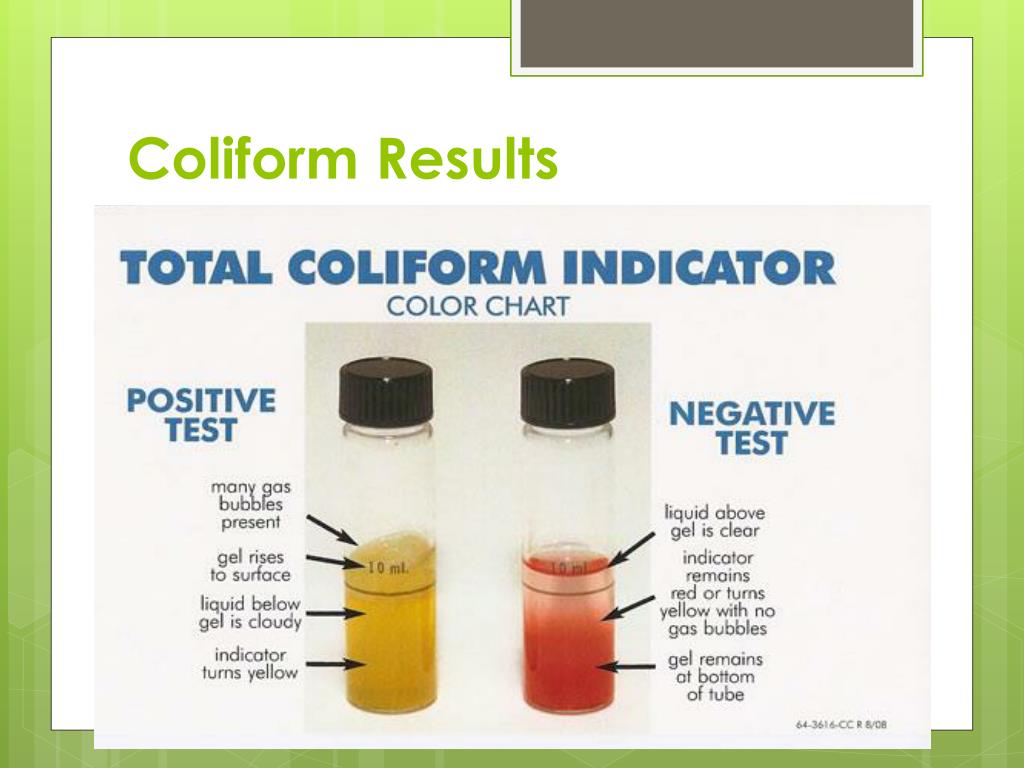
So, you got the letter. Or maybe a frantic call from the lab. Your well water tested positive for coliform bacteria. Your first thought is probably, “Oh no, did I just accidentally take a sip from a puddle?” Take a breath. We’ve all been there. It’s like finding out your fridge has been humming a weird tune—alarming, but usually fixable.
The “What Is Coliform, Anyway?” Moment
Think of coliform bacteria as the little canaries in your water- coal mine. They aren’t always dangerous themselves, but their presence is a big, flashing red flag. It’s like finding a stray dog inside your kitchen. The dog might be friendly, but you have to ask: “How did you get in here, and where is the rest of the pack?”
Coliform suggests that something from the surface—dirt, leaves, or worse—has found a way into your drinking water. Your well is supposed to be a sealed fortress, not an open door. A positive test means the door might have a crack.
Must Read
It’s Not Always the End of the World (or Your Weekend)
Does a positive test mean you are instantly going to turn into a water fountain of doom? No. Most coliform bacteria are harmless. It’s like finding a single dandelion in your lawn—annoying, but not armageddon. However, you absolutely need to take it seriously because where coliform goes, its nasty cousin E. coli can follow.
I once had a friend who ignored a positive test. He figured, “I’ve been drinking this water for ten years!” Then his whole family got a mysterious stomach bug right before vacation. It’s like ignoring the “check engine” light because the car still drives—until it doesn’t. You care because you don’t want to spend your weekend hugging the toilet.
What Could Have Gone Wrong? (A Detective Story)
Your well is a bit like a house; it needs maintenance. The most common culprit? A loose or cracked well cap. Imagine your water bottle lid is slightly unscrewed. Rain, bugs, and a stray frog can crawl right in. It’s the plumbing equivalent of leaving your front door unlocked.
Other suspects include a broken seal where the pipe enters your house, or surface water pooling too close to the wellhead. Sometimes, it’s as simple as a dirty hose or a spigot that was left lying in the mud when they took the sample. You don’t have to panic, but you do have to play detective.
The “Chlorine Bath” Fix (And Why It’s Actually Fun)
Here’s the good news: 90% of the time, the fix is a shock chlorination. This is exactly what it sounds like. You pour a big dose of household bleach down the well, let it sit for a day, and then flush it out. It’s like giving your well a very intense spa day. You run every faucet until you smell bleach, and then you wait.
It feels a bit silly. You walk around the house yelling, “Can you smell the bleach in the bathroom?” The water will taste weird for a day, but after you flush it all out, it’s usually good as new. It’s a fifteen-dollar fix that saves you from a fifteen-hundred-dollar problem.
Retesting: The Nervous Second Date
After you’ve shocked the well, you wait a week. Then you take another sample. This is the nervous part. Will the lab give you a gold star this time? It’s like retaking a test you studied hard for. Most of the time, the second result is clean. You feel a wave of relief that is surprisingly powerful.
 Quick Guide: Coliform Bacteria in Well Water – Tap Score
If it’s still positive, don’t despair. That means it’s not a surface issue—it’s a crack in the well casing or a deeper problem. You might need a well driller to look at it. It’s like finding out your leaky roof isn’t a missing shingle, but a hole in the attic. It costs more, but it’s still fixable.
A Little Story About a Very Wet Basement
My neighbor, Jerry, got a coliform positive. He ignored it for a month. Then one rainy spring, his water turned brown. It looked like weak iced tea. Why? Because that crack in his cap got bigger, and mud washed in. He ended up replacing his entire well pump. A simple $15 bleach job turned into a $3,000 headache. Don’t be Jerry.
Be the person who goes, “Alright, where’s the bleach?” It’s a Saturday afternoon project. You take a picture of the bleach pour for Instagram captions like “Well, that escalated quickly.” It’s a good story.
So, Why Should You Care?
You care because your health is a long game. A one-time upset stomach stinks. But regular exposure to bacteria can mess with your gut and immune system. Plus, it’s about peace of mind. You don’t want to wonder if the water you’re making coffee with came from a puddle in the backyard.
Testing your well annually is like getting your teeth cleaned. It’s boring, but it prevents a root canal. A positive coliform test isn’t a crisis. It’s a conversation. It’s your well saying, “Hey, I need a little TLC, please.”
The Bottom Line (It’s Clean, Eventually)
Put down the bottled water. Grab a jug of bleach. Test again. You are in control. Most people fix this in one weekend. You’ll learn how your well works, which is actually kind of cool. You become the master of your own underground water empire.
And when you get that second, clear test result? That feeling is better than finding a forgotten $20 bill in your winter coat. Your water is safe. The frog is out of the pipe. You can drink up. Cheers to that.
