Is Tap Water A Pure Substance Or A Mixture

Okay, let’s settle a debate that’s been brewing since you last filled your glass from the kitchen sink. Is tap water a pure substance or a mixture? Grab a drink (of water, obv...

Okay, let’s settle a debate that’s been brewing since you last filled your glass from the kitchen sink. Is tap water a pure substance or a mixture? Grab a drink (of water, obviously) and let’s dive in.
The Short, Snappy Answer
Tap water is definitely a mixture, not a pure substance. Pure substances are like that one friend who always orders the same coffee—consistent and predictable. Tap water? It’s more like a chaotic brunch buffet.
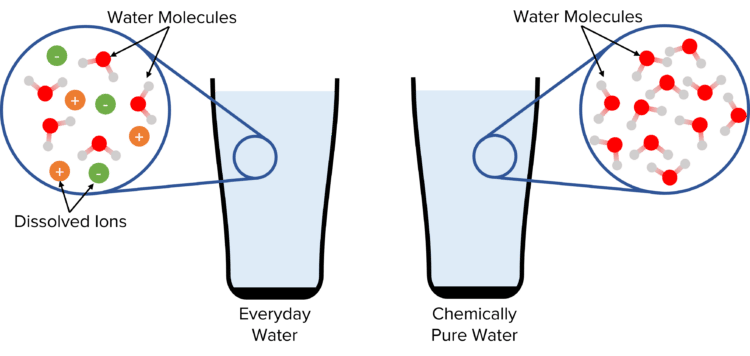
A pure substance has a fixed chemical composition. Think distilled water, which is just H₂O and nothing else. Your tap water, meanwhile, is a party-crasher’s dream, full of uninvited guests.
Must Read
What’s Hiding in Your Glass? (Spoiler: It’s Not Just Water)
Your tap water is a homogeneous mixture, meaning you can’t see the individual ingredients with your naked eye. But trust me, they’re there—like that one sock you can never find in the laundry, but way more scientific.
You’ve got dissolved minerals like calcium, magnesium, and potassium. These give water that “crisp” taste, or sometimes that “I think I just licked a rock” vibe. Then there are gases like oxygen and carbon dioxide, which help your goldfish not suffocate.
Fun fact: Your city adds chlorine or chloramine to kill nasty germs. It’s like a tiny, invisible bouncer for your stomach. Is it pure H₂O? Nope. Is it safe? Absolument.
But Wait—Isn’t Water a Pure Substance?
Ah, you’re thinking of the chemical formula H₂O, which is pure. But tap water is H₂O plus a bunch of extras. It’s like saying a chocolate chip cookie is “just flour.” Technically true, but you’d miss the gooey bits.
If you boiled tap water and collected the steam, you’d get pure water. But the stuff that comes out of your faucet? That’s a blend, a medley, a collaboration of substances.
The “Unseen Friends” Test
Here’s a mental experiment. Take a glass of tap water and let it sit for a day. See those tiny bubbles? That’s dissolved gas escaping. See a white crust on the glass? That’s calcium carbonate. That’s evidence of a mixture.
Pure water wouldn’t do that. It’s the introvert of liquids—keeps to itself. Your tap water is the extrovert, always bringing along a few hangovers (minerals) and party tricks (bubbles).
But Isn’t It Just One Liquid?
That’s the tricky part. Homogeneous mixtures look like one thing, but they’re not. Think of air—you can’t see the oxygen, nitrogen, and argon, but they’re all there. Tap water is the same, but wetter.
Even the H₂O molecules themselves aren’t all identical. Some are “light” water, some contain deuterium (heavy water—yes, that’s a real thing). It’s like identical twins who dress slightly differently.
What About Bottled Water? Is It Purer?
Bottled water is usually just glorified tap water from a different zip code, often with a fancy label and a higher price tag. It’s still a mixture, because it’s been filtered and has added minerals for taste.
The only true pure water you’ll find is distilled or deionized water, which is so “clean” it will actually leach minerals from your bones if you drink it exclusively. Don’t do that. Stick to your tap water—it’s healthier.
The Great “Is It Safe?” Question
Absolutely. Tap water in most developed countries is tested more frequently than a puppy in a house with no gates. The “mixture” part is actually a feature, not a bug.
 Pure Substances Questions and Revision | MME
Those dissolved minerals are good for your heart and bones. The chlorine prevents you from getting typhoid. Your tap water is a carefully curated cocktail of safety and utility.
If you really want pure H₂O, you can install a reverse osmosis filter. But you’ll need to add minerals back, because pure water tastes like a blank stare. Bland and lifeless.
Wait, Does This Mean Ice Is Different?
If you freeze tap water, the minerals get pushed out of the ice crystals. So the ice cubes in your freezer are actually closer to pure water than the liquid in your glass. Mind. Blown.
But melt that ice, and you’re back to mixture-ville. You can run, but you can’t hide from chemistry.
The Fun Philosophical Twist
Everything we drink is a mixture, except maybe straight ethanol. But that would be a terrible idea. Even milk is a mixture of water, fats, and proteins. Life is just a series of mixtures.
So next time you’re at a fancy dinner party and someone says, “This water is so pure,” you can lean in and whisper, “Actually, it’s a heterogeneous mixture of calcium and audacity.” They’ll be either impressed or annoyed. Both are wins.
The Science Fingerprint
Every city’s tap water has a unique chemical fingerprint. You could theoretically tell where a glass of water came from by analyzing its mineral content. You’re drinking a place’s geology and history.
That’s kind of beautiful, isn’t it? A sip is a taste of riverbeds, ancient rocks, and municipal engineering. It’s a liquid biography.
Let’s Wrap This Up With a Watery Bow
So, is tap water a pure substance or a mixture? It’s a mixture, and that’s wonderful. Pure water is boring, sterile, and chemically lonely. Your tap water has personality.
It has the courage to carry minerals, the grace to transport oxygen, and the humility to follow regulations. It’s not “just water”—it’s a community in a cup.
So drink up, my friend. You’re not just hydrating. You’re sipping a symphony of nature, science, and plumbing. And that’s a mixture worth celebrating.
Here’s to the magic in your mug. Cheers. 🥤
