Should You Use Distilled Water For Formula

So, you’re staring at a shelf full of water bottles, feeling like you’re about to need a chemistry degree just to make a bottle of formula. It’s a classic new-parent dilemma,...
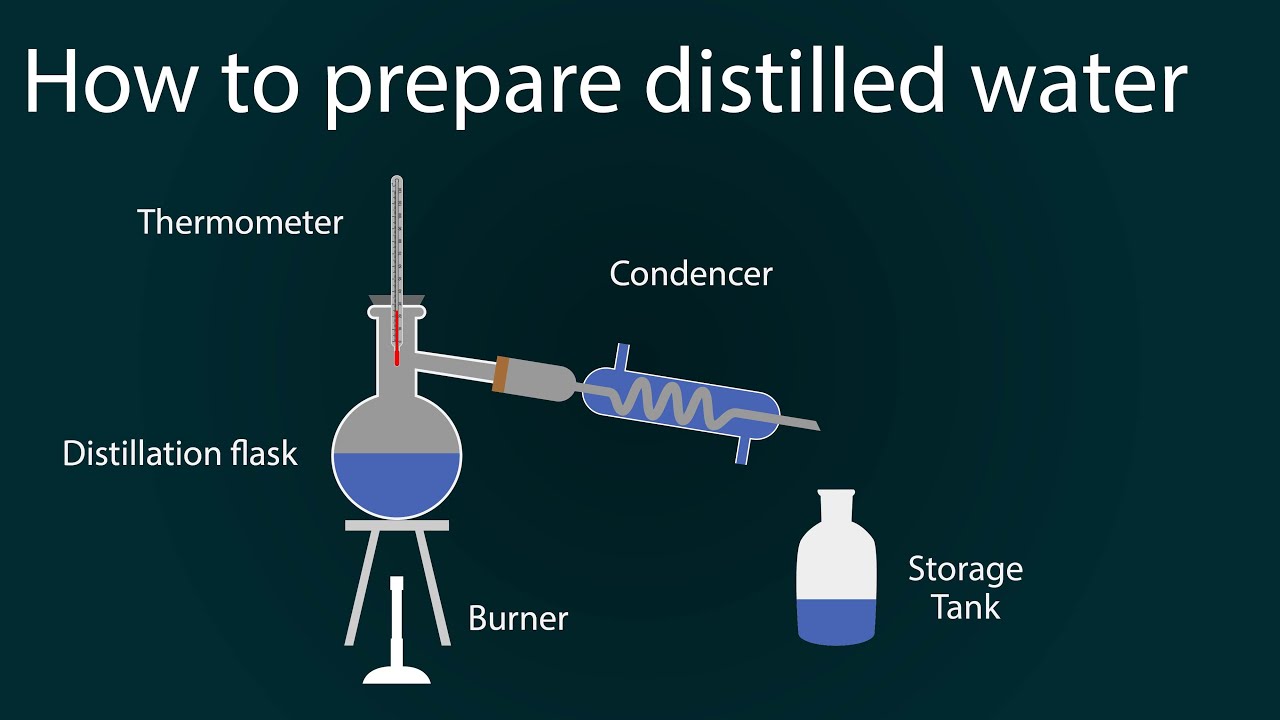
So, you’re staring at a shelf full of water bottles, feeling like you’re about to need a chemistry degree just to make a bottle of formula. It’s a classic new-parent dilemma, right up there with “how many onesies is too many?” (Spoiler: there’s no such thing). Let’s talk about distilled water—the shy, plain cousin of your fancy spring water—and whether it deserves a spot in your baby’s first dinner service.
The big question: bottled, tap, or distilled?
Here’s the honest, warm truth: the best water for formula is the one that’s safe and consistent. For most of us, that’s plain old tap water that’s been boiled and cooled. But what about distilled? It’s basically water that’s been boiled into steam and then cooled back into liquid, leaving behind everything—minerals, impurities, and even the good stuff like calcium. Think of it as the monk of waters: pure, simple, and a little boring.
I remember my cousin Jenna panicking at 2 a.m., wondering if her tap water’s “hardness” was giving her baby a superpower. She called me, half-dressed, holding a jug of distilled water like it was a holy relic. The short answer? It works. The longer answer? It’s usually not necessary, but it can be a lifesaver in a pinch.
Must Read
When distilled water shines (and when it fizzles)
Let’s get real: your baby’s formula already has the perfect balance of nutrients. That scoop of powder is a tiny, science-backed meal. Distilled water won’t add or subtract anything—it’s a clean slate. This is why pediatricians often recommend it if your tap water has a funky taste, high mineral content (like that gross white buildup on your kettle), or if you’re worried about lead from old pipes.
But here’s the laugh-out-loud catch: distilled water is so pure that it can actually leach minerals from your baby’s body if used exclusively for a long time. Wild, right? It’s like eating plain white rice for every meal—sure, it’s clean, but you’ll miss the vitamins. For most healthy babies, short-term use is totally fine. Your little one gets their minerals from the formula itself, not the water.
My friend Mark once accidentally bought a case of distilled water for his formula-mix, thinking it was “safer.” His baby guzzled it for a week. The kid was happy, slept like a log, and didn’t turn into a glowing mutant. So, breathe easy.
The real-world hydration showdown
Let’s compare it to your own morning coffee. Do you use distilled water for that? Please don’t—it makes coffee taste flat. But for formula? Your baby doesn’t care about flavor. They only care about “Warm, please!” and “Stop shaking me like a fancy drink.” So, distilled water won’t wreck the taste, but it won’t make it taste like a mountain spring either.
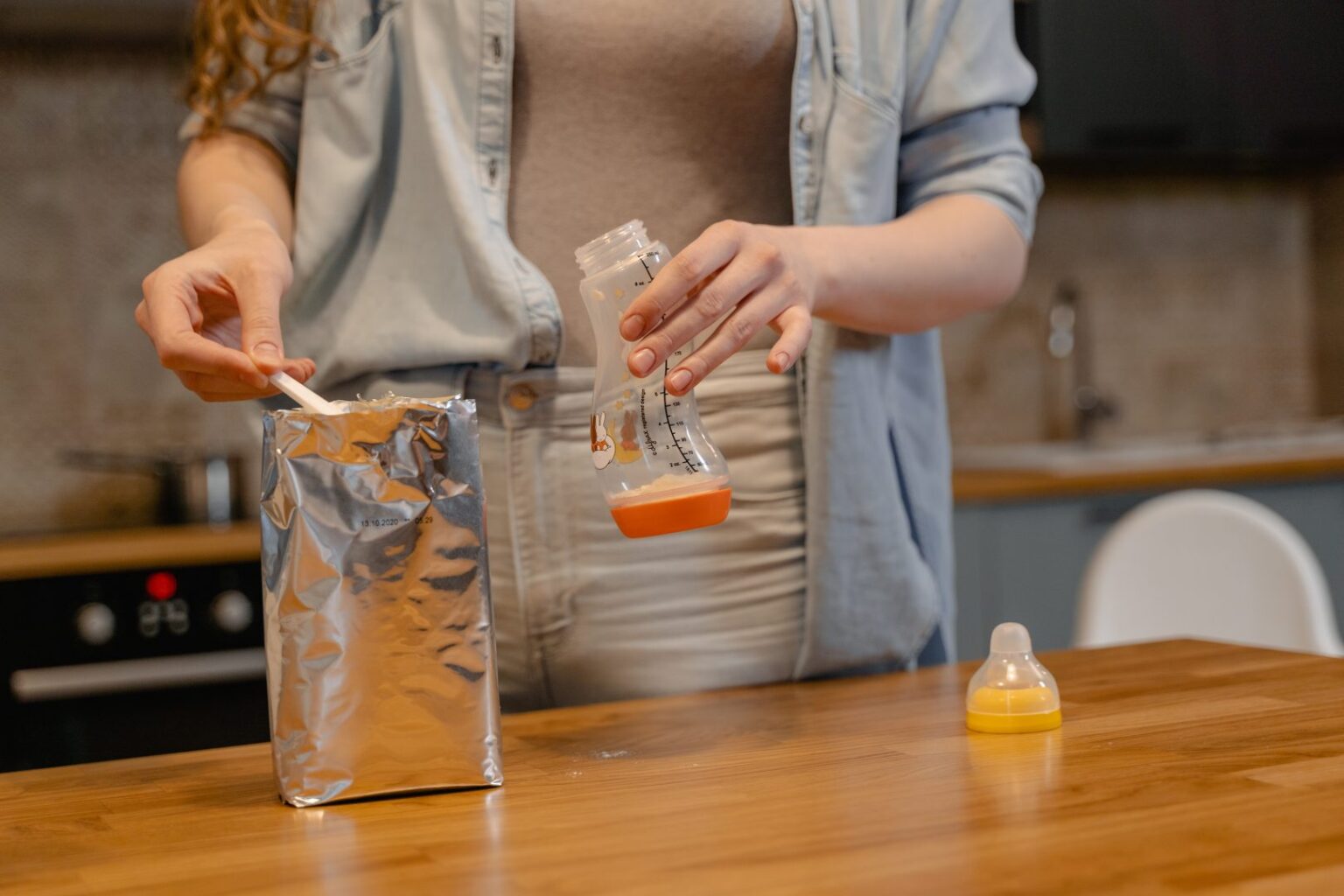 Baby Formula Feeding Chart: How Much and How Often by Age - The Digital
Here’s a relatable scenario: You’re at a hotel, the tap water smells like a swimming pool, and you forgot your Brita. Distilled water to the rescue. Grab a jug, mix the formula, and call it a win. It’s a travel hack for anxious parents. Just don’t get it confused with “purified” water, which still has some minerals. Read the label—it’s like reading a cereal box, but with less sugar.
And if you’re using ready-to-feed liquid formula, you don’t need any water at all. That’s like ordering a fully cooked pizza. Enjoy the break.
The final scoop: how to decide
So, should you use distilled water? For everyday use? Probably not. Stick with boiled tap water if your local supply is good. Check your city’s water report—yes, it’s boring, but so is diaper changing, and you do that daily. If you’re on well water, talk to your pediatrician. Distilled water is a safe backup plan, like having a spare pacifier in the car.
Here’s a little story that sums it up: My cousin Jenna eventually stopped overthinking. She now uses filtered tap water most days. But she keeps one bottle of distilled water in the pantry—just in case. It sits there like a quiet guardian, a tiny plastic superhero that never asks for thanks. And honestly, that’s the vibe we all need as parents.
So, go ahead: make that bottle. Whether it’s tap, filtered, or distilled, your baby is going to be fed, loved, and perfectly fine. The most important ingredient isn’t the water—it’s the warm hug you give them while they drink it.
