Dishwasher Leaving White Residue On Dishes

Last Tuesday, I poured myself a glass of water, took a sip, and nearly choked. My tongue was coated in what felt like chalk dust, and the glass looked like it had been dunked...
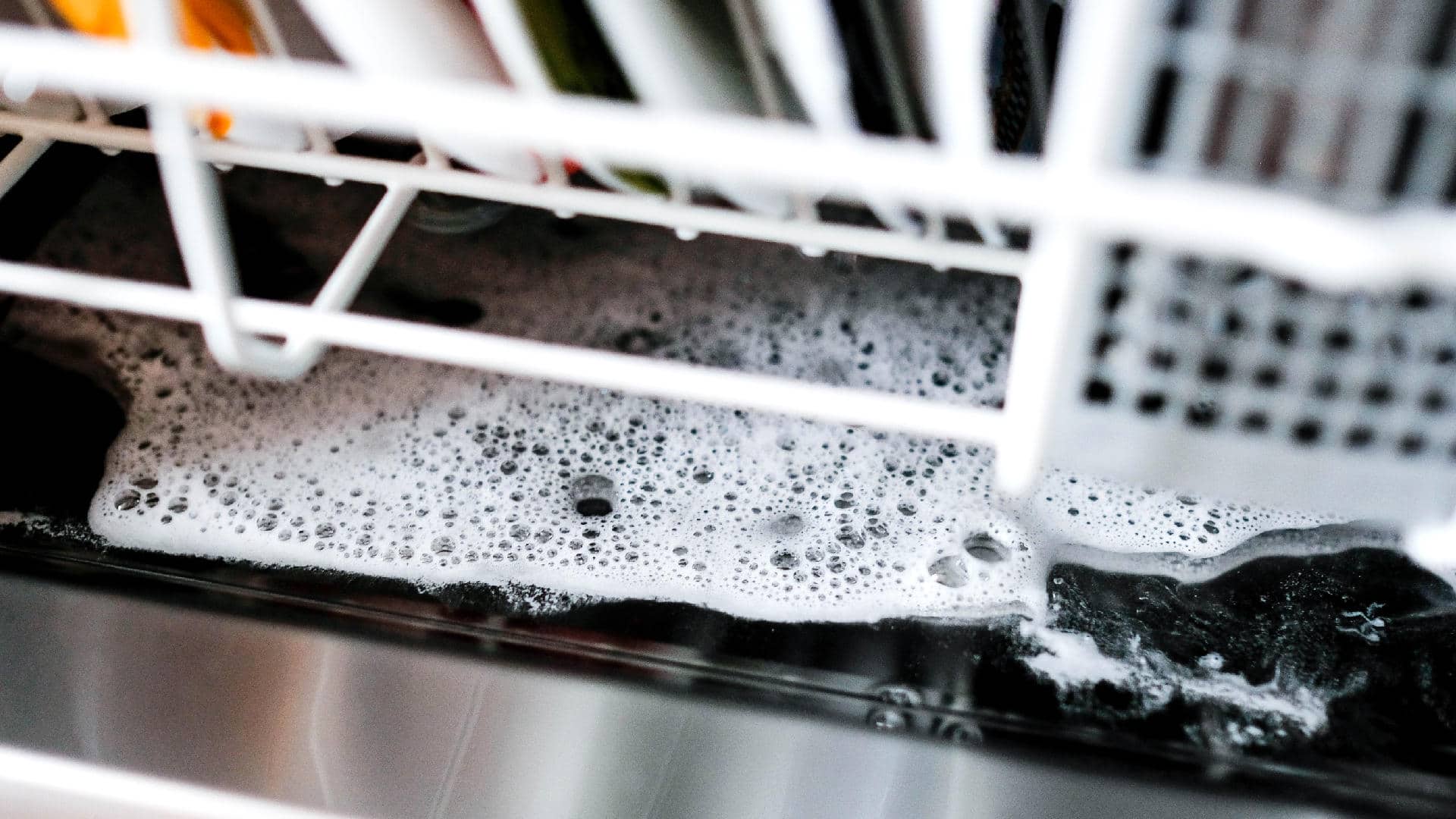
Last Tuesday, I poured myself a glass of water, took a sip, and nearly choked. My tongue was coated in what felt like chalk dust, and the glass looked like it had been dunked in a flour bath. I stared at my dishwasher, that sleek, silent beast, and muttered, “Et tu, Brute?” If you’re nodding along, friend, you’ve been betrayed by the same culprit: white residue.
It’s Not Your Dishes—It’s the Water
That ghostly film isn’t leftover soap; it’s mineral deposits from hard water. Think of it as nature’s chalkboard, drawn by calcium and magnesium ions that cling to your plates like jealous exes. And let’s be real: your dishwasher is a chemical stage, not a magic wand—it needs the right balance to perform.
When water is hard—common in areas with limestone or well water—those minerals party hearty and leave a crusty souvenir. Your rinse cycle can only do so much; if the water evaporates too fast, the minerals crystallize right onto your glasses. That’s not a cleaning failure; it’s a water chemistry showdown.
Must Read
The Soap Sabotage
You might be using too much detergent—or the wrong kind. I once tossed a pod in, thinking “more is better,” and ended up with a snow globe situation. Excess soap that doesn’t rinse away can bond with hard water minerals, creating that sticky white film.
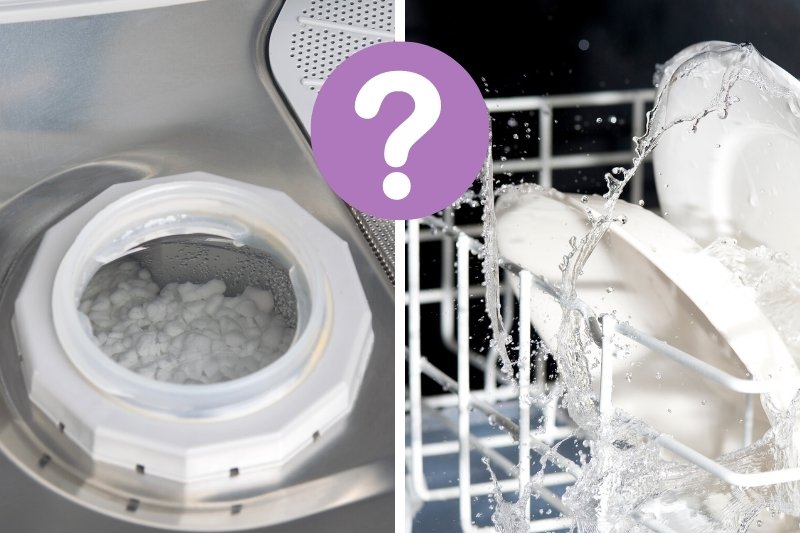
Switch to a quality rinse aid (it’s not a sales pitch, it’s a lifeline). Rinse aid breaks the surface tension of water, letting it slide off dishes like a greased pig. Without it, your water droplets just sit there, evaporate, and leave you with a chalky apology.
Temperature Tantrums
Your dishwasher needs hot water—like, 120°F (49°C) minimum. If your water heater is set lower, or you’re running a cold cycle (you rebel), the detergent won’t dissolve fully. Undissolved powder is a direct ticket to Residue Town.
Check your inlet valve, too. If it’s clogged with mineral scale (ironic, right?), the water flow weakens, and your rinse becomes a sad drizzle. A quick soak of the filter in vinegar every month can save your sanity—I swear by it.
The Overcrowding Conspiracy
Are you cramming dishes in like a game of Tetris? Blocked spray arms mean some plates get a gentle mist while others get a scalding, soapy bath. That uneven coverage lets residue cling to hidden corners, especially on curved bowls and lids.
 Why Do I Have Water Spots On My Dishes at Wayne Morgan blog
Space them out, and angle everything downward so water drains. Trust me: your wine glasses will stop looking like they’ve been licked by a sandpaper ghost.
Your Water Softener (If You Have One) Might Be Lying to You
If you own a whole-house water softener, it might be running low on salt or set too high. When the softener fails, hard water hits your dishwasher like a freight train, and the white residue becomes a daily drama. Test your water hardness with a cheap strip—it’s a five-minute fix that beats scrubbing every plate by hand.
Alternatively, use a dishwasher-specific cleaner once a month. Toss a tablet in empty, run a hot cycle, and watch the gunk that comes out. It’s disgusting and deeply satisfying.
The Final Sip (Literally)
After I upped my rinse aid, pulled out the filter for a scrub, and stopped treating my detergent like confetti, my glasses came out sparkling again. That first post-fix sip of water? Pure, un-clouded victory. You deserve that too.
So, next time you see white specks on your mugs, don’t rage—inspect. Check your water hardness, adjust your cycle, and give your dishwasher a little tough love. And for the love of peeled grapes, use rinse aid. Your tongue will thank you.
