Can Babies Drink Spring Water With Formula

Picture this: It’s 2 AM, the baby is wailing for a bottle, and you’re blearily eyeing that sleek glass bottle of spring water in the fridge. You’ve heard tap water is fine, bu...

Picture this: It’s 2 AM, the baby is wailing for a bottle, and you’re blearily eyeing that sleek glass bottle of spring water in the fridge. You’ve heard tap water is fine, but what about the fancy, mountain-sourced stuff? This question lands in parents’ inboxes more than you’d think, and the answer isn’t a simple yes or no—it’s a delicate dance of minerals and safety.
First, let’s get the official stance out of the way. Most pediatric health authorities, including the CDC and WHO, emphasize that sterilized tap water or specifically labeled nursery water is the safest bet for mixing infant formula. Spring water, while pristine and tempting, can contain unpredictable levels of minerals, like sodium or fluoride, that a baby’s tiny kidneys aren’t ready to process.
Think of mineral content as the hidden plot twist. Many bottled spring waters have added minerals for taste, but a baby’s system is not a fine wine palate—it’s a delicate filter. High sodium can strain their kidneys, and too much fluoride before age one might lead to dental fluorosis (those tiny white streaks on future teeth).
Must Read
So, can you ever use spring water? The short answer is: yes, but only if you check the label with the intensity of a detective. Look for a low total dissolved solids (TDS), ideally under 100 mg per liter. Avoid any water that lists “added minerals for taste” or has a sodium content over 10 mg per liter.
Here’s the gritty reality: boiling is your best friend. Even if you choose a low-mineral spring water, the FDA recommends boiling it for one minute and letting it cool to room temperature before mixing formula. This kills any potential pathogens—because, newsflash, even pristine springs can harbor trace bacteria.
The Cultural Side of the Bottle
Ever notice how in European parenting blogs, raw mineral water is almost a lifestyle accessory? In France, you’ll see babies drinking “eau de source” doctored with formula, while in Japan, mothers often rely on low-mineral brands like Volvic or Evian (yes, the fancy stuff). The catch? Those countries usually have stricter labeling laws, so what’s “spring water” in Paris might be a mineral cocktail in New York.
This cultural twist actually gives us a practical tip: look for imported brands that list mineral levels on the front. Brands like Evian, though posh for adult sipping, actually have a moderate sodium count (around 5 mg/L) and low TDS, making them a safe option if you must go spring. Just don’t grab the lemon-flavored version—that’s a hard no.
And while we’re on the subject of flavor: never add sugary or flavored waters. Even a hint of sweetener can trigger a baby’s preference for sweets, turning your formula mixing into a future battle over vegetables. Spring water should taste like nothing—just pure, mineral-light H2O.
Practical Hacks for Sleepy Parents
Let’s keep it real: you’re tired, you’re cranky, and the last thing you want is a chemistry lesson at 3 AM. Here’s a cheat sheet. Option one: Buy nursery water—it’s sterile, low-mineral, and costs about as much as a latte. Option two: Use tap water that’s been boiled and cooled, unless you have well water (which needs testing).
If you’re absolutely committed to spring water, rotate your source. Keep a couple of low-TDS brands on hand (like Poland Spring or Cascade Spring) and rotate them every few weeks. This avoids any lingering mineral overload and keeps your baby’s palate from getting too attached to one water’s profile.
Fun fact: Did you know that the FDA actually doesn’t regulate bottled water as strictly as tap water? Shocking, right? Tap water is tested constantly, while spring water only needs to be “as safe as” tap water. So that expensive bottle might have sat on a warehouse shelf for months.
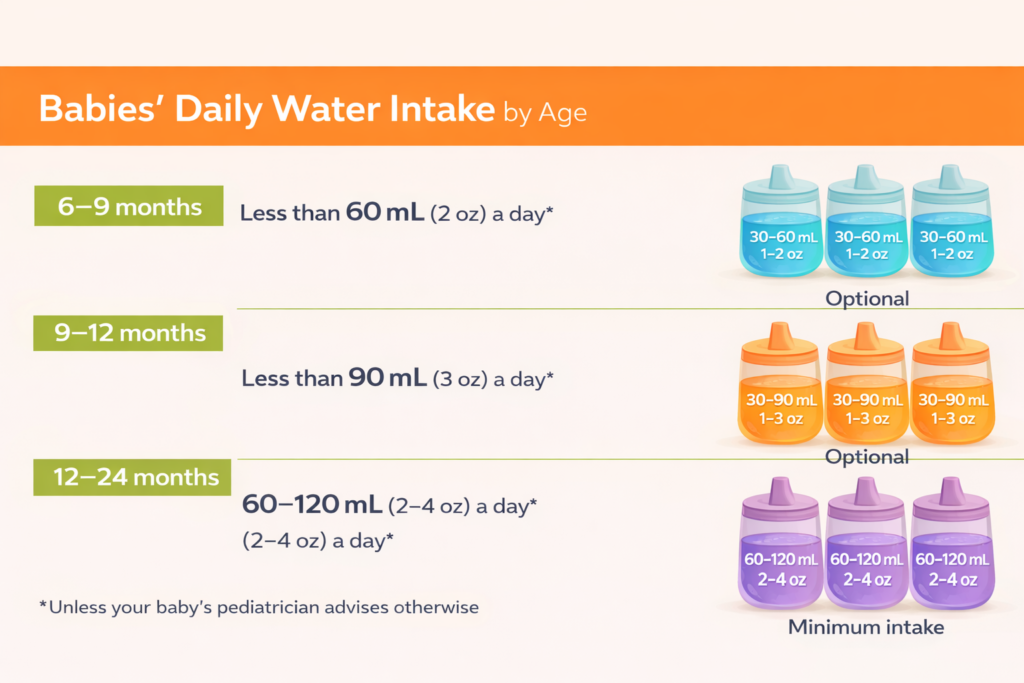 When Can Babies Drink Water? Safe Age, Risks, and Expert Advice - Baby
Another pro tip: don’t store mixed formula in the fridge for more than 24 hours, even with spring water. Bacteria love the extra minerals, and formula is basically a nutrient soup. Mix fresh, or use pre-boiled water that’s been kept in a sterile pitcher.
The Mineral Paradox
Here’s the weird part: some parents swear spring water helps with constipation. Is there truth to it? Possibly. Higher magnesium content in certain spring waters can act as a gentle laxative. But this is a double-edged sword—too much can cause diarrhea or electrolyte imbalances. If you want to try it, stick to brands with magnesium under 10 mg per liter.
And what about fluoride? Most spring water has between 0.0 and 0.3 ppm, which is safe. But if you see a label boasting “fluoridated spring water,” run. That’s usually added, and babies under six months shouldn’t have any extra fluoride. Their teeth are still developing underground, so to speak.
Think of it this way: your baby’s gut is like a tiny, highly sensitive startup. It’s not ready for the corporate overload of minerals that an adult body handles daily. Treat spring water like a luxury guest—it’s fine for occasional visits, but you don’t want them moving in full-time.
The Verdict in Plain English
At the end of the day, balance is the secret sauce. Using spring water for formula occasionally—say, when you’re traveling or the tap has a weird smell—won’t hurt your baby if the mineral levels are low. But making it a habit? That’s like driving on a spare tire; it’ll get you there, but it’s not designed for the long haul.
The best path forward? Talk to your pediatrician about your local water quality. They know your area’s specific issues—like high lead in old pipes or heavy chlorine treatment. They might say spring water is actually a better choice than your local tap, which is a win for you and your sleepy eyes.
And here’s the real secret: babies don’t care about the water’s origin story. They care about the warmth of your hands, the curve of the bottle, and the sound of your heartbeat while they drink. The water is just the stage; the connection is the play.
So next time you’re staring at that spring water bottle, don’t panic. Check the label, boil it if you’re unsure, and remember that parenting is a series of 2 AM decisions that usually turn out fine. The universe won’t judge you for using the fancy stuff—just make sure it’s low in minerals and high in love.
In the end, the most important ingredient isn’t the water—it’s the tiny human you’re feeding. And that little one is going to be just fine, spring water and all.
