Rust Spots On Clothes From Washing Machine

You pull your favorite white linen shirt from the wash, and there it is—a constellation of tiny, orange-brown freckles that weren’t there before. It’s the laundry equivalent o...
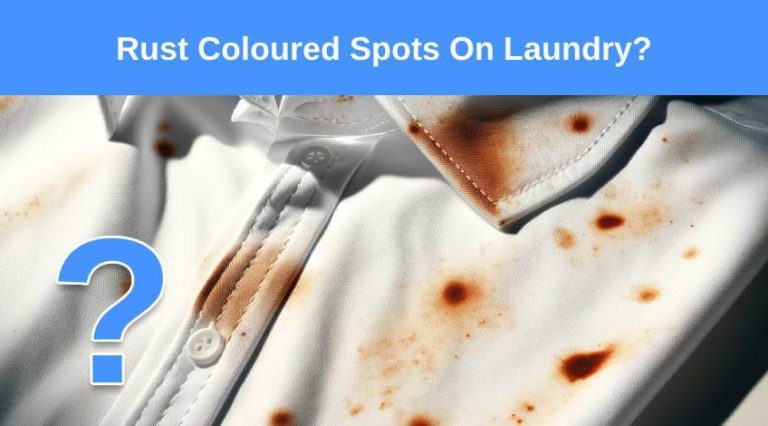
You pull your favorite white linen shirt from the wash, and there it is—a constellation of tiny, orange-brown freckles that weren’t there before. It’s the laundry equivalent of a bad breakup: unexpected, frustrating, and leaving you questioning everything you thought you knew. Rust spots from your washing machine are a common, sneaky nuisance, but they don’t have to ruin your favorite pieces. Think of this as a style crisis you can absolutely survive.
The Mystery of the Orange Stain
First, let’s play detective. Those rusty spots are iron oxide particles that have hitched a ride from inside your machine, usually from a chipped enamel coating on the drum or a corroded heating element. It’s a bit like finding glitter at a party—sudden, annoying, and hard to explain how it got there. Unlike mud or wine, rust is chemical, not organic, so your usual stain remover is basically useless here. This calls for a smarter strategy.
But here’s the kicker: the machine might not even look rusty. Small internal flakes can break loose during a spin cycle, especially in older models or after a repair. It’s a quiet rebellion happening inside your appliance, and your clothes are the innocent bystanders. Don’t blame the shirt—blame that scratch on the drum you never noticed.
Must Read
Why Linen and Light Colors Are Vulnerable
Ever notice how rust seems to target your whites, pastels, and delicate fabrics like linen and silk? It’s not personal—it’s physics. Light colors show every speck, and natural fibers are slightly porous, giving rust particles a cozy place to land. Think of it like a cat on a fresh white sofa: it’s going to leave a mark. Dark jeans and synthetic blends often escape the drama, but your crisp cotton sheets? They’re a target.
This explains why your trusty denim jacket looks flawless while your favorite ivory blouse looks like it’s been on a hike through Mars. Pro tip: If you spot a single rust dot on a light garment, treat it immediately. The longer it sits, the harder the bond becomes, like an uninvited guest who decides to stay for dinner.
How to Rescue Your Clothes (Without Panic)
Breathe. You don’t need to toss that shirt into a bonfire. The most reliable home fix is lemon juice and salt—a classic combo that works like a gentle acid scrub. Squeeze fresh lemon juice over the spot, sprinkle on salt, and leave it in the sun for an hour. The sun’s UV rays and the citric acid break down the iron oxide, lifting the rust like a magic eraser. Rinse with cold water, and repeat if needed. It’s the laundry version of a Sunday spa treatment.
For tougher spots, try white vinegar as a soak. Mix equal parts vinegar and water, submerge the stained area for 30 minutes, then scrub gently with an old toothbrush. Vinegar is the unsung hero of the kitchen cabinet—it’s also great for descaling your coffee maker, but let’s stay focused. Warning: never mix vinegar with bleach. That creates toxic chlorine gas, which is a hard no for your lungs and your laundry room.
If you’re in a rush, commercial rust removers like Rit Rust Remover or Whink are effective, but always test a hidden seam first. These products contain hydrofluoric acid, which can damage some fabrics. Follow the instructions like you’re following a map to buried treasure. Your clothes are worth the caution.
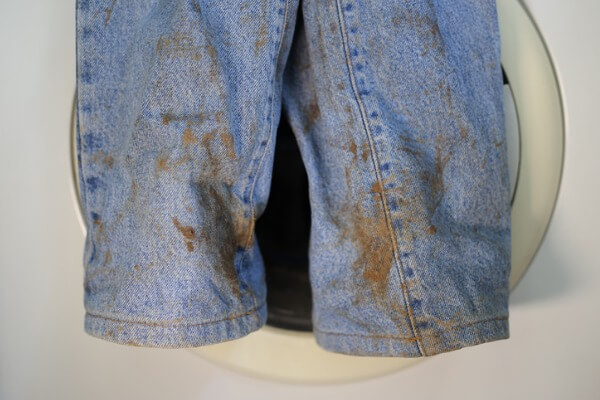 How to Prevent Rust Stains on Clothes with a Simple Solution
Prevention: The Zen of Machine Care
The best way to avoid rust spots is to keep your washing machine happy. Run an empty hot cycle with vinegar or a washing machine cleaner every month—this scrubs away mineral buildup and exposes hidden rust. Think of it as a detox for your appliance. Also, remove wet clothes promptly after the cycle ends. Leaving them sit is like letting a wet towel fester on a hotel bathroom floor; it’s inviting trouble.
Check your machine’s drum for chips. If you see bare metal, touch it up with appliance enamel paint (available at hardware stores). It’s a $10 fix that saves you from replacing a $200 shirt. And if your water has high iron content—common in well water—install a whole-house water softener or a simple filter on your machine’s intake hose. This is the adulting equivalent of carrying an umbrella: a small precaution that prevents a lot of wet misery.
Here’s a fun cultural reference: In Japan, some households place a rust-removing magnet inside their machines to trap particles. While this is still a niche hack, it’s a charming reminder that innovation often comes from frustration. You don’t have to go that far, but it’s nice to know the spirit of ingenuity is alive in laundry rooms worldwide.
When Rust Is a Deeper Sign
If rust spots appear suddenly and frequently, it might signal a failing heating element or a cracked drum. This is your machine’s version of a cryptic text from an ex—something is wrong, and ignoring it won’t help. Call a repair technician if the spots persist after cleaning the drum. It’s cheaper to fix a part than to buy a new washer—or a new wardrobe. Think of it as relationship counseling for your appliances.
In rare cases, rust can come from your water supply. If your sinks also show orange stains, the issue is larger than your machine. A plumber can test your water for iron content, and a simple filter can solve the problem for under $50. Suddenly, those rust spots are just a symptom, not the disease.
A Little Reflection on Daily Life
Rust on clothes feels like a small betrayal from a machine we trust to keep things clean. But here’s the thing: life is full of these tiny, unexpected marks—a coffee ring on a work report, a smudge on a fresh manicure, a sticky spot on the kitchen counter after a good dinner. They’re not failures; they’re evidence of use. Your shirt with the rust spots tells a story of a life lived, a machine that works, and a moment where you caught a problem and solved it with lemon juice and patience. So next time you see an orange freckle, don’t curse the machine. Thank it for the reminder that even in our most routine tasks, there is room for grace, a little science, and a splash of vinegar. Your clothes will forgive you. And so will your washing machine.
