How Do I Know If Water Softener Is Working

So you finally caved and bought a water softener. Good for you! But now you're staring at it, wondering: is this magic box actually doing its job? Let’s solve this mystery tog...
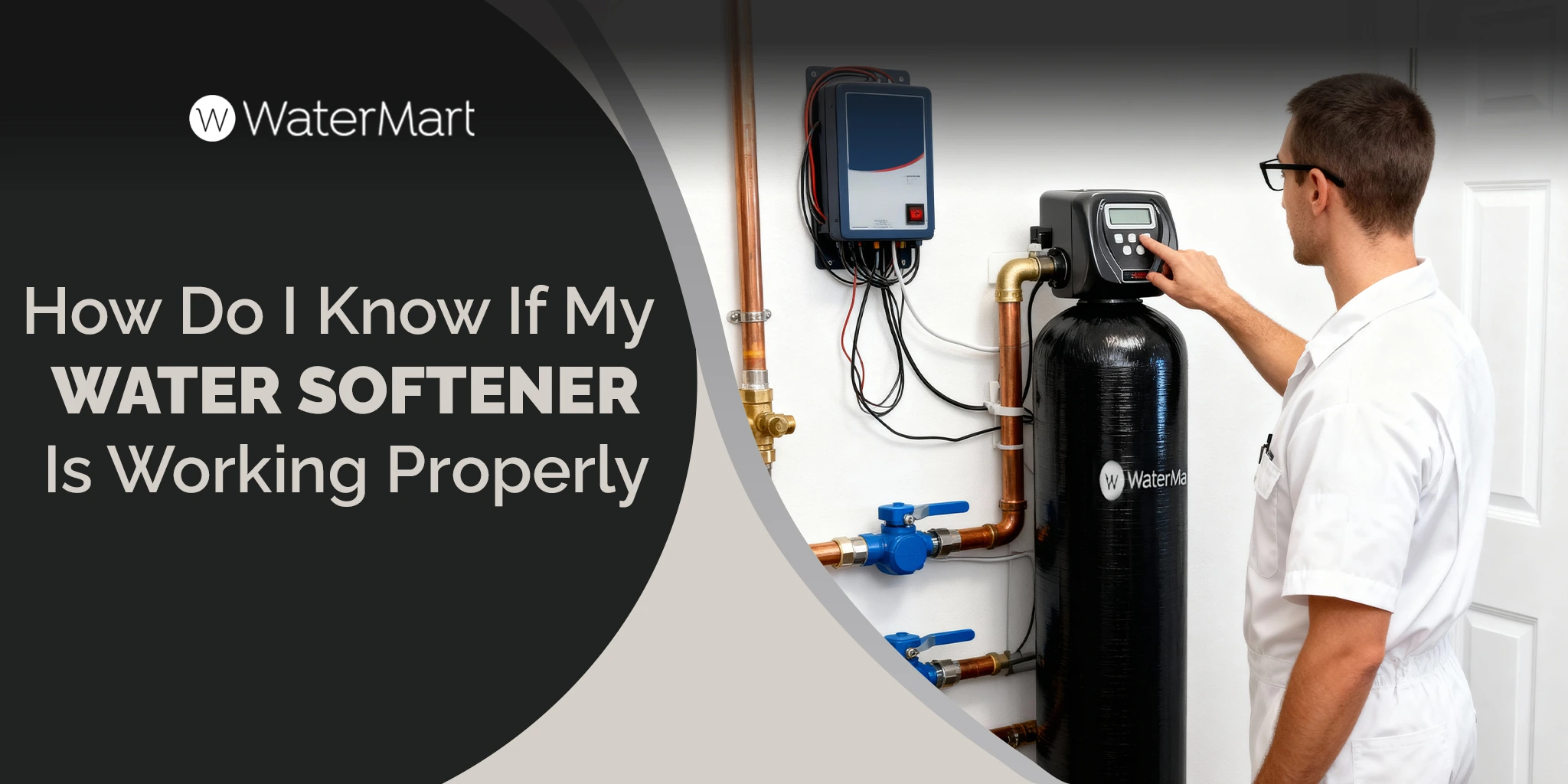
So you finally caved and bought a water softener. Good for you! But now you're staring at it, wondering: is this magic box actually doing its job? Let’s solve this mystery together.
First, the classic test: your hands. Hop in the shower. Lather up with soap. If your skin feels slippery—like you can’t quite rinse it off—bingo. That’s soft water. Hard water leaves a sticky, chalky residue; soft water feels like a silky spa day.
Now check your dishes. Pull a glass from the dishwasher. If it’s sparkling clean with zero spots, your softener is winning. Those cloudy white blotches? That’s hard water minerals throwing a party on your glassware. No spots = no party.
Must Read
The Soap Slime Test
Fill a jar with tap water and add a few drops of dish soap. Shake it like a polaroid picture. Lots of fluffy suds = soft water. If you get a sad, thin layer of foam, your hard water is sabotaging your bubbles.
Here’s a fun fact: hard water actually eats soap. It chemically grabs the soap molecules and turns them into that gross soap scum. A working softener stops this crime scene.
Now look at your hair. Does it feel greasy or flat right after washing? That’s a dead giveaway. Soft water doesn’t strip your natural oils, so your hair feels soft and bouncy. Hard water leaves it a frizzy disaster.
The Fingers-Crossed Spot Check
Walk around your house. Check faucets and showerheads. If they’re covered in white, crusty buildup, your softener is failing. A working system leaves fixtures shiny—like a movie star’s smile.
Your laundry is a secret informant. Wash a white T-shirt a few times. If it stays bright and feels soft, you’re golden. Hard water turns whites gray and makes towels feel like sandpaper.
Here’s a weird one: listen to your pipes. A working softener can make your water heater hum a happy tune. Hard water creates a crackling sound as minerals deposit on heating elements. If your pipes sound like Rice Krispies, it’s time to investigate.
The Taste Test (Yes, Really)
Pour a glass of cold tap water. If it tastes slightly salty or metallic, that’s okay—it’s the sodium from the softener. But if it tastes like you licked a rock? That’s hard water shouting, “Hey, I’m still here!”
Funky fact: hard water is full of calcium and magnesium. Those minerals are actually good for you—in food. In your pipes? They’re little rock goblins that clog everything.
Now check your salt tank. Pop open the lid. If the salt level hasn’t moved in weeks, your softener is slacking. It should drop at least a few inches each month. A full tank with no drop means the system is broken or stuck.
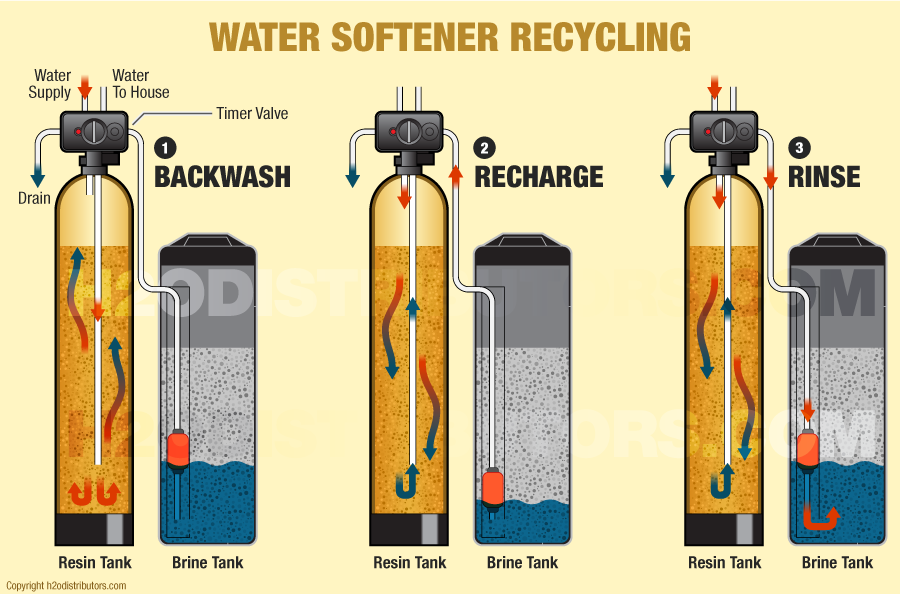 How Water Softeners Work Diagram Water Softener System With Automatic
The Brine Bath Test
At night, pour a cup of water into the salt tank. In the morning, check it. If the water disappeared? Perfect. That means the system is regenerating properly. If it’s still there, your softener is napping on the job.
You can also buy a water hardness test kit for cheap. Dip a strip in the water. If it turns blue, you’re soft. Purple? Hard. It’s like a mood ring for your plumbing.
Here’s a quirky detail: some people swear their pets drink more water after a softener install. Cats love soft water. They’re fancy like that. If your finicky feline suddenly guzzles from the tap, your softener is working—and your cat is just being dramatic.
The Rusty Water Scare
If you see orange or brown water after a regeneration cycle, don’t panic. That’s just iron flushing out. But if it’s constant, your softener might be failing to remove minerals properly.
Your electric bill is another detective. Hard water makes water heaters work harder, so your bill creeps up. A working softener keeps that bill low. Check last month versus this month. Did it drop? High five your softener.
Finally, smile at your coffee maker. If it hasn’t needed descaling in months, thank your softener. Hard water slowly destroys coffee makers. Soft water keeps them alive and kicking.
The Bottom Line
You don’t need a PhD in plumbing to know if your water softener is working. Trust your senses: slippery hands, spotless glasses, soft hair, quiet pipes. If everything feels smoother and cleaner, you’re good.
If you’re still unsure, hire a pro with a handheld conductivity meter. They’ll wave it over your water and give you a number. Below 120 ppm = soft. Above = time to call for backup.
Remember: a working water softener is a silent hero. It fights mineral dragons so you can enjoy silky showers and shiny dishes. So go give your softener a pat—or, you know, just check the salt tank. It’s chuckling at you right now.
