Activated Carbon Filter For Drinking Water

Ever taken a sip of tap water and thought, "Hmm, that tastes a bit... weird"? You're not alone. That faint chlorine or metallic tang can be a real buzzkill for your hydration...
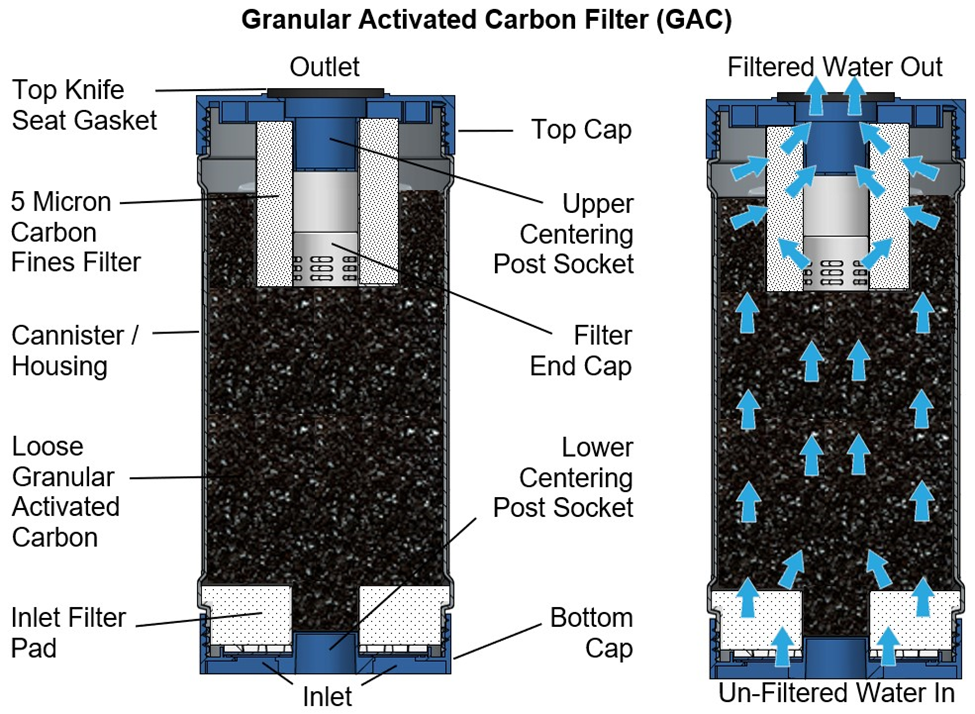
Ever taken a sip of tap water and thought, "Hmm, that tastes a bit... weird"? You're not alone. That faint chlorine or metallic tang can be a real buzzkill for your hydration game. Enter the humble activated carbon filter, the unsung hero sitting inside your pitcher or faucet attachment.
So, What's the Big Deal with Carbon?
Think of it as a microscopic sponge with a serious attitude problem—but in a good way! Activated carbon is super porous, with a surface area so huge that a single gram can cover a football field. That's a lot of tiny nooks and crannies ready to grab onto nasty stuff.
When water flows over it, contaminants get physically trapped in these pores like a fly in a web. It’s a process called adsorption—where particles stick to the surface like magnets, not to be confused with absorption where they’d soak in like a towel.
Must Read
What Does It Actually Remove?
Here’s where it gets really cool. It’s a beast at yanking out chlorine, which gives water that swimming pool taste. It also grabs volatile organic compounds (VOCs), some pesticides, and even weird smells. Ever wonder why your tap water smells like a damp basement? Carbon can fix that.
But here’s the catch—it’s not a magic cure-all. It won't remove dissolved minerals like calcium or magnesium (which are actually good for you), nor will it zap heavy metals like lead or arsenic. For that, you’d need a more advanced system, like reverse osmosis.
Why You Should Care (Fun Comparisons Ahead)
Imagine your water is a crowed party. Activated carbon is the bouncer—it kicks out the loud, smelly guests (chlorine and odors) but lets the nice, polite ones (minerals) stay. Without it, you’re basically drinking from a pool of uninvited funk.
It's like having a personal bodyguard for your taste buds. One pitcher filter can improve the flavor of coffee, tea, or soup so much that your morning brew won't taste like a chemistry experiment. Pretty neat for a black, chalky rock, huh?
The "Wow" Factor: Sustainability
Here’s the kicker: you can actually regenerate some activated carbon filters by boiling or baking them (check your brand first!). That means fewer plastic bottles ending up in the ocean. It’s a small, lazy eco-win that feels surprisingly satisfying.
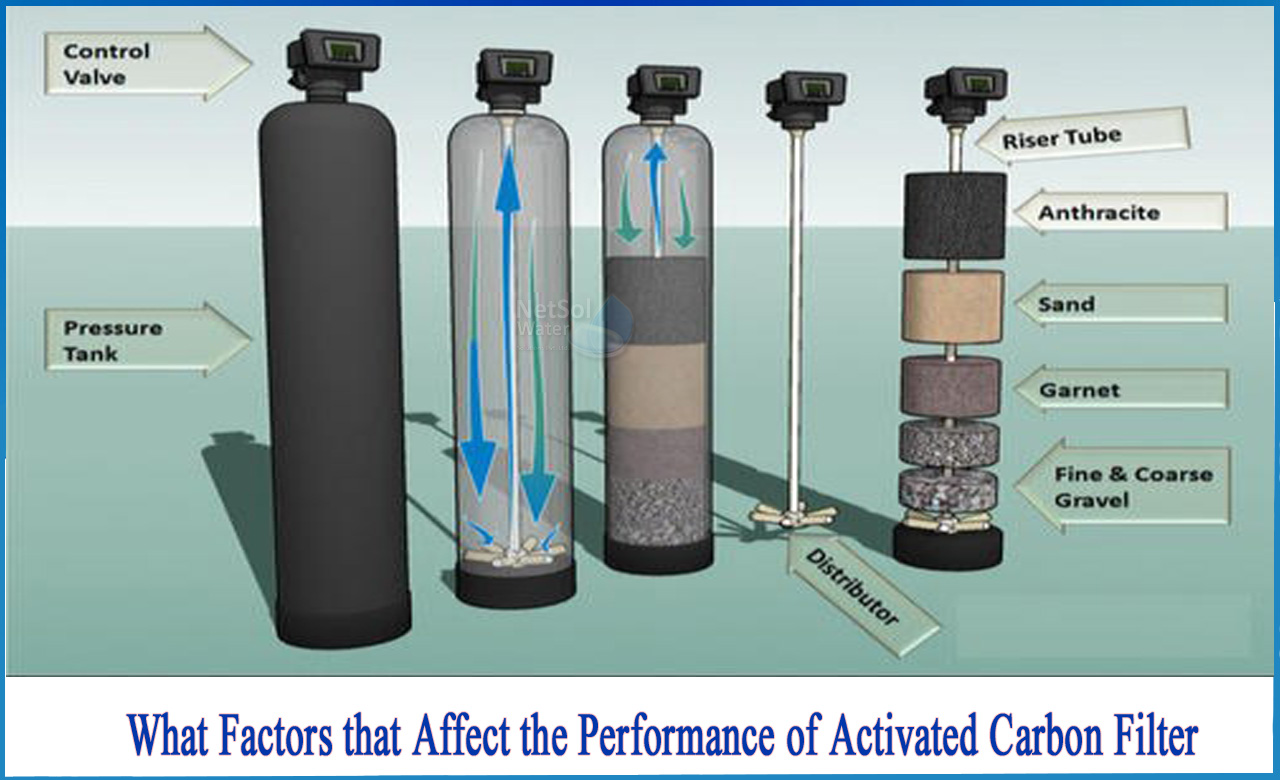 Activated Carbon Water
And compared to buying single-use water bottles, a carbon filter saves you money and the planet. Your wallet gets a break, and your garbage bin doesn't overflow with crinkly plastic. Win-win, right?
How to Choose One Without Getting Overwhelmed
You’ve got three main options: pitcher filters (like Brita), faucet-mounted filters, or under-sink canisters. Pitchers are cheap and easy—just pour and wait. Faucet ones give you instant filtered water, but they look a bit space-age.
Under-sink systems are the real champs. They’re hidden away, filter a ton of water, and often last six to twelve months. Just make sure to replace the cartridge regularly, or your "filter" turns into a bacteria party bus. No one wants that.
The Bottom Line (But Make It Chill)
So, is activated carbon the ultimate water hack? For most people, yes. It’s simple, affordable, and makes your H2O taste like it came from a mountain spring (or at least not from a hose). It won’t solve every water problem, but it’ll tackle the ones you actually notice.
Next time you take a sip of crisp, clean water, give a little nod to the magic black bits inside your filter. They’re working hard so you don’t have to. And honestly, isn’t that the kind of friend we all need in our kitchen?
