Impact Of Bottled Water On The Environment

So, picture this: last summer, I was hiking up this gorgeous trail in the Pacific Northwest. The sun was blazing, and I was patting myself on the back for being so prepared—un...
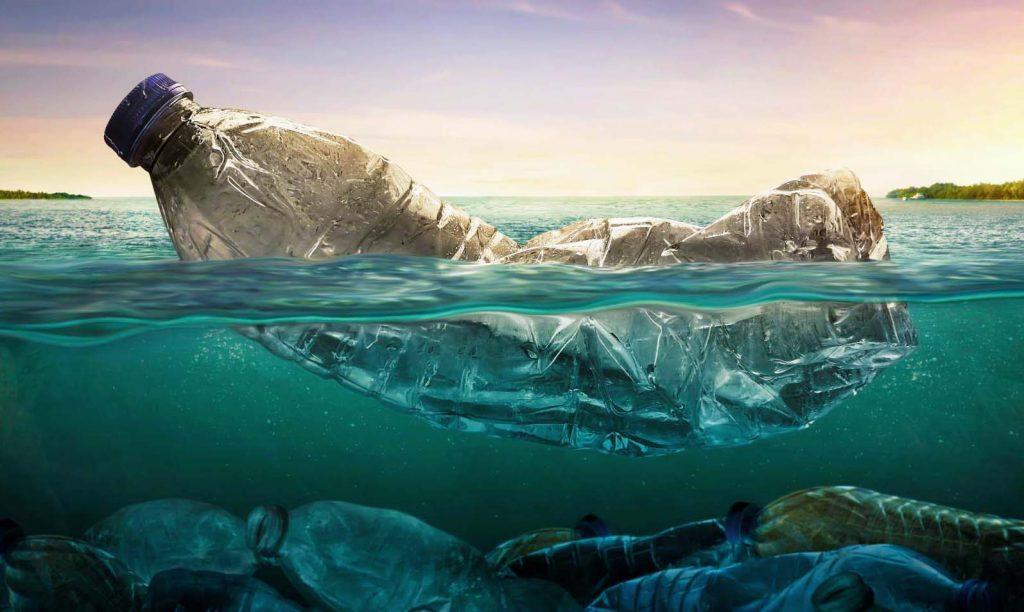
So, picture this: last summer, I was hiking up this gorgeous trail in the Pacific Northwest. The sun was blazing, and I was patting myself on the back for being so prepared—until I realized I’d left my reusable water bottle in the car. Panic. I ended up buying a plastic bottle at the visitor center, chugging it, and then… staring at the empty thing like it was a tiny, guilty plastic ghost. We’ve all been there, right? That moment of convenience that whispers, “It’s just one bottle,” but somehow the guilt lingers like a bad hangover.
That’s the thing about bottled water: it feels like a lifesaver in the moment, but it’s secretly a pretty terrible long-term relationship. We’re talking about an industry that churns out over a million bottles every minute globally. Think about that for a sec. A million. Every. Single. Minute. That’s not thirst—that’s a full-blown addiction.
The invisible footprint you’re (literally) holding
Here’s the kicker: most of that water isn’t even coming from your local tap. It’s often shipped across oceans or trucked hundreds of miles. Ever wonder why Fiji water tastes so fancy? Because it took a boat ride from a tropical island straight to your grocery store shelf, burning fossil fuels the whole way.
Must Read
The production alone is a nightmare. To make the plastic for those bottles, we use 17 million barrels of oil annually in the U.S. alone. That’s enough to fill a million cars with gas for a year. And guess what? You drink that water and toss the bottle—and that plastic? It doesn’t just poof away. It hangs around for 450 years, slowly breaking down into tiny microplastics that get into our soil, our oceans, and even back into your next sip of water. Yes, you might be recycling your own regret.
But wait, isn’t recycling the fix?
Oh, I wish. Only about 9% of all plastic ever produced has actually been recycled. The rest? Landfills, incinerators, or the ocean—where it forms giant garbage patches like the Great Pacific Garbage Patch, which is now roughly the size of Texas. Cool party trick, right? And even the “recycled” bottles often get downcycled into lower-quality stuff, not new bottles. So your guilt-free recycling bin? It’s more of a wishful thinking bin.
Plus, there’s the water footprint. It takes about three liters of water to make one liter of bottled water—the extra two go into cleaning and cooling the plastic. So you’re literally wasting water to package water. It’s like drinking your own shadow. Meanwhile, communities near bottling plants often see their local springs drained, leaving wildlife and residents high and dry.
And then there’s the elephant in the room: tap water
Let’s be real: in most developed countries, tap water is perfectly safe and often more regulated than bottled water. The FDA oversees bottled water; the EPA oversees tap. And let me tell you, the EPA is way more strict about testing for contaminants like lead or bacteria. So why are we paying 2,000 times more for something that’s not even better? Because marketing told us it’s “pure” and “natural,” and we bought it—literally.
 Bottled Water vs. Tap Water: Differences, Pros and Cons – Svalbarði
I’m not saying you’re evil for grabbing a bottle on a hot day. We’ve all done it. But here’s the ironic part: the convenience of bottled water is exactly what’s drowning our planet. Those bottles don’t just vanish into the ether; they become part of the landscape, choking marine life and leaking chemicals into groundwater. Imagine a sea turtle mistaking a plastic cap for a jellyfish—it’s not cute, it’s a horror movie.
What can we do? (You knew this was coming)
Start small. Get a reusable bottle—one that doesn’t leach BPA, please. Keep it in your bag, your car, your desk. It’s like a security blanket for hydration. And if you absolutely must buy bottled water in an emergency, at least pick one in aluminum or glass (they recycle way better).
Also, get curious. Look up how your tap water is treated. Most cities publish annual reports—it’s actually kind of fascinating. And if you hate the taste, a basic filter costs less than a month of bottled water and doesn’t come with a plastic guilt trip. Your wallet and the planet will both thank you.
So next time you reach for that plastic bottle on a sweaty hike or a long drive, just pause. Remember my little guilt-ghost story. You’ve got options. And honestly, drinking from a tap or a reusable bottle feels a lot better—it’s not just water, it’s a statement. One that says, “I’m not feeding the plastic monster.” And that, my friend, is a pretty cool sip of rebellion.
