Commercial Water Filtration System Near Me

So you typed “Commercial Water Filtration System Near Me” into Google. Let me guess—your office coffee tastes like a swimming pool, your restaurant’s ice cubes smell suspiciou...

So you typed “Commercial Water Filtration System Near Me” into Google. Let me guess—your office coffee tastes like a swimming pool, your restaurant’s ice cubes smell suspiciously like tuna, or you just found a tiny, terrifying shrimp in the breakroom faucet. Welcome to the club! We’re about to dive into the wonderful, watery world of big-boy filters, and I promise it’s more fun than watching your boss try to fix the plumbing.
Why Your Business’s Water is Basically a Science Experiment
First, let’s be honest: tap water is a wild ride. One minute it’s clear, the next it’s carrying a faint hint of swamp and a splash of chlorine. The EPA allows over 90 contaminants in drinking water—yes, ninety. That’s like saying your salad can have up to three bugs and still be “healthy.”
For a business, bad water is a reputation killer. Imagine a customer sipping fizzy water that tastes like bleach—suddenly, your five-star Yelp rating becomes a cautionary tale. A commercial water filtration system is basically a bouncer for your pipes, kicking out the nasties before they ruin your mojito or your morning latte.
Must Read
The “Near Me” Dilemma: It’s Like Dating, But for Filters
You search “near me” because you want fast, local help—not a guy who needs to fly in from Montana with a wrench. But here’s the funny part: every company claims to be “just around the corner.” News flash: if they’re 45 minutes away, they’re not near you—they’re considering you. Real local pros can fix a busted filter before your lunch rush ends.
And let’s talk about hype. Some salespeople will tell you their filter “oxygenates” water so well it could cure your hangover. Spoiler: it can’t. But a good carbon filter will remove the weird metallic tang that makes your iced tea taste like a rusty coin. That’s the kind of miracle we’re here for.
What You Actually Get (Besides a Dented Wallet)
A commercial system isn’t a Brita for your office—it’s a heavy-duty beast that can handle 50 gallons of water per minute. That’s enough to flood a small apartment, but instead, it makes your water so pure, your plants will get jealous. Surprising fact: about 40% of bottled water is just filtered tap water. You’re basically paying a factory to do what a machine in your breakroom could do for pennies.
Here’s the kicker: the best systems use reverse osmosis, which pushes water through a membrane with holes so small, they’re 0.0001 microns. That’s smaller than a virus. So yes, your filter is tougher than most people’s immune systems. It also removes lead, arsenic, and microplastics—things you definitely don’t want in your iced coffee.
The Joke’s on the Hard Water
If your area has hard water (hello, scale buildup!), a commercial filter is like a marriage counselor for your plumbing. It prevents calcium from crusting up your water heaters and coffee machines. Without it, your equipment dies young, and you’re left explaining to your accountant why you need a new $5,000 espresso maker. Fun fact: hard water can reduce appliance lifespan by 30%. That’s like buying a car that falls apart after three oil changes.
And don’t get me started on bacteria. Some systems use UV light to zap microbes—like a tiny, water-based tanning bed for germs. They come out dead, which is the only time you want dead things in your water supply.
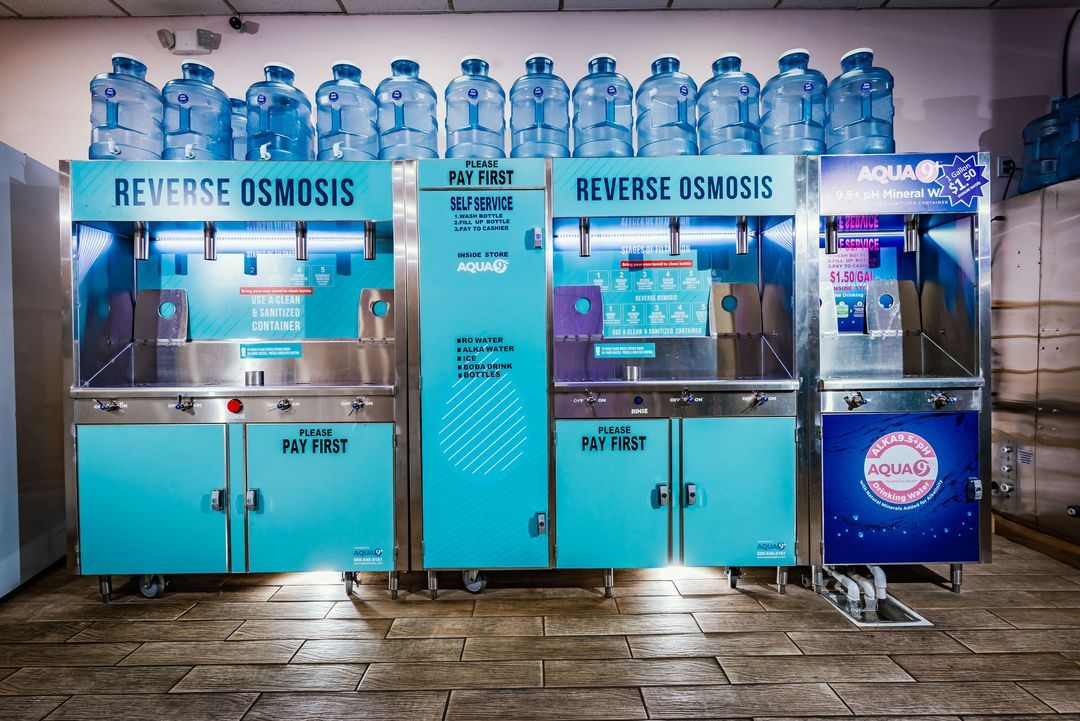 AQUA 9+ Commercial Alkaline Water Filtration Systems Near Me | Water
How to Pick the Right One (Without Losing Your Mind)
First, don’t just search “commercial water filtration system near me” and pick the first ad. That’s like marrying the first person who swipes right. Instead, ask for a water test. Any legit company will check your pH, hardness, and contaminants for free. If they say “we only have one type,” run. You need a custom fit, not a one-size-frays-your-pipes solution.
Second, size matters. A tiny system for a busy restaurant is like bringing a squirt gun to a house fire. You need a unit that handles your peak demand—like when 50 people order lemonade on a hot day. Oversizing is fine; undersizing means you’ll be changing filters every Tuesday.
The Real Cost (Spoiler: It’s Cheaper Than Therapy)
Commercial systems cost anywhere from $1,500 to $15,000, plus installation. That sounds scary until you realize it saves you money on bottled water, repairs, and wasted ingredients. Your coffee beans will taste actual coffee, not “notes of copper pipe.” Plus, you can brag to your neighbors that your ice cubes are clearer than their life goals.
Surprising fact: some commercial filters last 10–15 years with regular maintenance. That’s longer than most marriages in Hollywood. And maintenance is just changing a cartridge every 6 months—easier than remembering your anniversary.
The Bottom Line (No, Not the Water Line)
Searching for “commercial water filtration system near me” is the first step to not serving science-lab water to your customers. Local pros know your area’s water quirks—like if your town water tastes like a garden hose or carries traces of ancient Roman plumbing. They’ll set you up with a system that filters out the gross and leaves only the great.
So go ahead, make the call. Your taste buds, your espresso machine, and your accountant will thank you. And if the salesman tries to sell you a filter that “remineralizes” water with “volcanic ash,” just smile and say, “I’ll stick to the one that keeps the shrimp out of my faucet.” Cheers!
